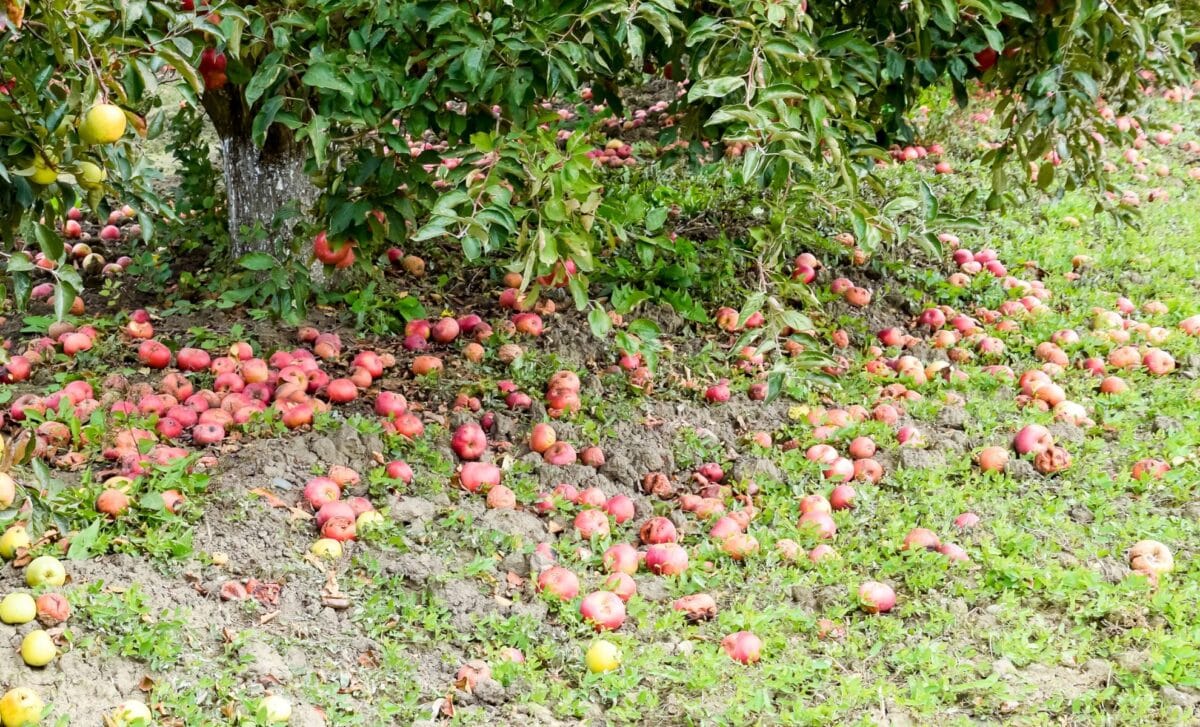
There is nothing more disappointing for a gardener than walking through the orchard in late spring only to find the ground covered with tiny, green, unripe fruits. The immediate reaction is often to search for a disease, an insect, or a weather event to blame. However, the real culprit may be the tree itself. The good news is that with the right knowledge and techniques, you can work with this natural process and still enjoy a bountiful summer harvest.
Your Tree May Be Protecting Itself
Believe it or not, fruit trees often produce more flowers and young fruits than they can actually support. Once the fruits start developing, the tree has to decide how many it can realistically bring to maturity.
If there are too many fruits competing for water and nutrients, the tree naturally drops some of them. This process, often called “June drop,” is common in apple, pear, peach, and plum trees. It’s the tree’s way of focusing its energy on the strongest fruits.
Weather can also play a role. A late frost, strong winds, heavy rain, or a sudden dry spell can stress the tree and trigger fruit drop. Poor pollination is another common reason. If flowers weren’t properly pollinated, the tree may stop investing energy in fruits that are unlikely to develop.
While it may look worrying, a certain amount of fruit drop is completely normal and often leads to better-quality fruit later on.
Forget Vinegar and Baking Soda: This Potato Peel Trick Could Help Remove Stubborn Pan Stains
Simple Care Can Make a Big Difference
One of the most important things you can do is water correctly. Fruit trees prefer deep watering rather than frequent light watering. Deep watering encourages roots to grow further into the soil, making the tree more resistant to dry conditions.
Adding mulch around the base of the tree is another easy win. Mulch helps keep moisture in the soil, protects roots from temperature changes, and slowly adds nutrients as it breaks down.
Nutrition matters too. Trees need the right balance of nutrients to support fruit growth. Too much nitrogen can encourage leafy growth while reducing the tree’s ability to hold onto fruit. A balanced fertilizer or soil test can help ensure your tree gets exactly what it needs.
Pruning also plays a role. Removing crowded or damaged branches improves airflow and allows sunlight to reach more parts of the tree. A healthier, less crowded tree is often better able to support its developing fruits.
Extra Tips for a Bigger Summer Harvest
If you want to give your fruit trees the best possible chance, a few extra steps can make a real difference. Protecting blossoms from late spring frosts is one of the most effective measures. Garden fleece, frost covers, or even small heat sources can help shield flowers and young fruits during cold nights.
Pollinators deserve attention too. Bees are essential for fruit production. Planting nectar-rich flowers nearby and providing a shallow water source can attract more pollinators to your garden.
You can also thin fruits by hand if your tree has set an especially heavy crop. Removing some young fruits may seem counterproductive, but it allows the remaining ones to grow larger and healthier while reducing stress on the tree.
The key is to remember that fruit trees are constantly balancing their resources. By providing consistent watering, healthy soil, pollinator-friendly conditions, and protection from extreme weather, you’ll help your tree focus its energy on the fruits most likely to succeed.