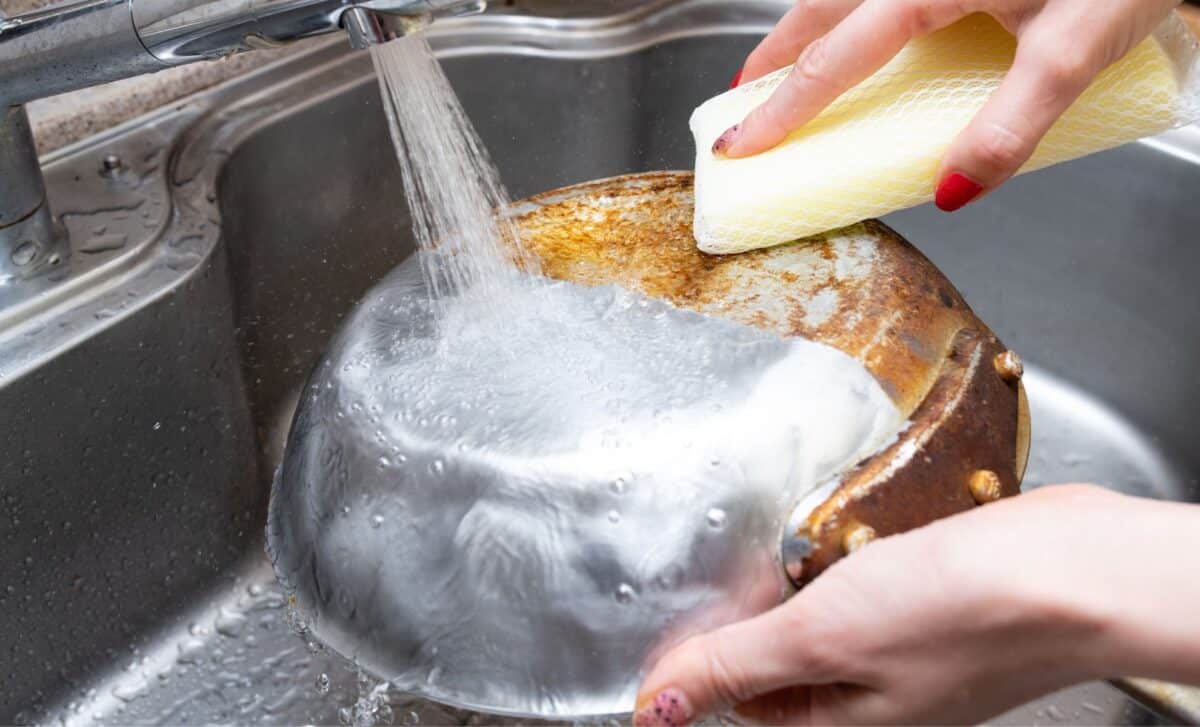
When it comes to cleaning burnt pots and stained pans, most people reach for vinegar, baking soda, or lemon, but a lesser-known kitchen hack involving potato peels is starting to attract attention for a completely different reason. Instead of using a product from the cleaning aisle, this method relies on something that usually ends up in the trash after cooking dinner.
Simple, inexpensive, and surprisingly practical, it could help loosen stuck-on food and restore the appearance of certain cookware. While it’s not a miracle solution, it may be worth trying before throwing away this common kitchen scrap.
Why Potato Peels May Be More Useful Than You Think
Most people don’t give potato peels a second thought once they’re done preparing a meal. They are typically discarded or added to a compost bin. However, these leftovers contain natural starch, which can play a role in loosening dirt and residue that builds up on cookware over time.
According to a cleaning tip recently highlighted by the Argentine newspaper Los Andes, potato peels can help soften burnt food particles and grease when combined with hot water. As the peels heat up, they release starch into the water, which may make stubborn residue easier to remove.
The texture of the peel itself can also contribute to the cleaning process. Unlike harsh scrubbing tools, potato peels provide a mild abrasive effect that can help lift certain stains without being overly aggressive on durable cookware surfaces.
https://www.tiktok.com/@moribyan/video/7493573501371108654
Trying to Save on Heating Bills? Experts Say Your Air Conditioner Shouldn’t Be Set to 75°F or 77°F
How to Use the Potato Peel Method Safely
This cleaning trick is easy to try at home. Place fresh potato peels in the pot or pan you want to clean, add water, and bring the mixture to a boil for around 15 minutes. During this time, the starch released by the peels can help loosen burnt residue and grease stuck to the surface.
Once the water has cooled slightly, pour it out along with the peels. If needed, use a few fresh peels to gently rub any remaining marks. Some people also add a small amount of coarse salt to increase the cleaning effect on tougher stains.
This method tends to work best on stainless steel, cast iron, and standard aluminum cookware. These materials are generally durable enough to handle the process without damage. However, caution is recommended with non-stick pans. Coarse salt and vigorous scrubbing can wear down delicate coatings such as Teflon. For those surfaces, warm water, mild dish soap, and a soft sponge remain the safest option.
Cleaning experts also point out that regular maintenance is still the most effective way to keep cookware in good condition. Washing pots and pans soon after use, avoiding long-term buildup, and drying them thoroughly can help prevent stubborn stains from forming in the first place.