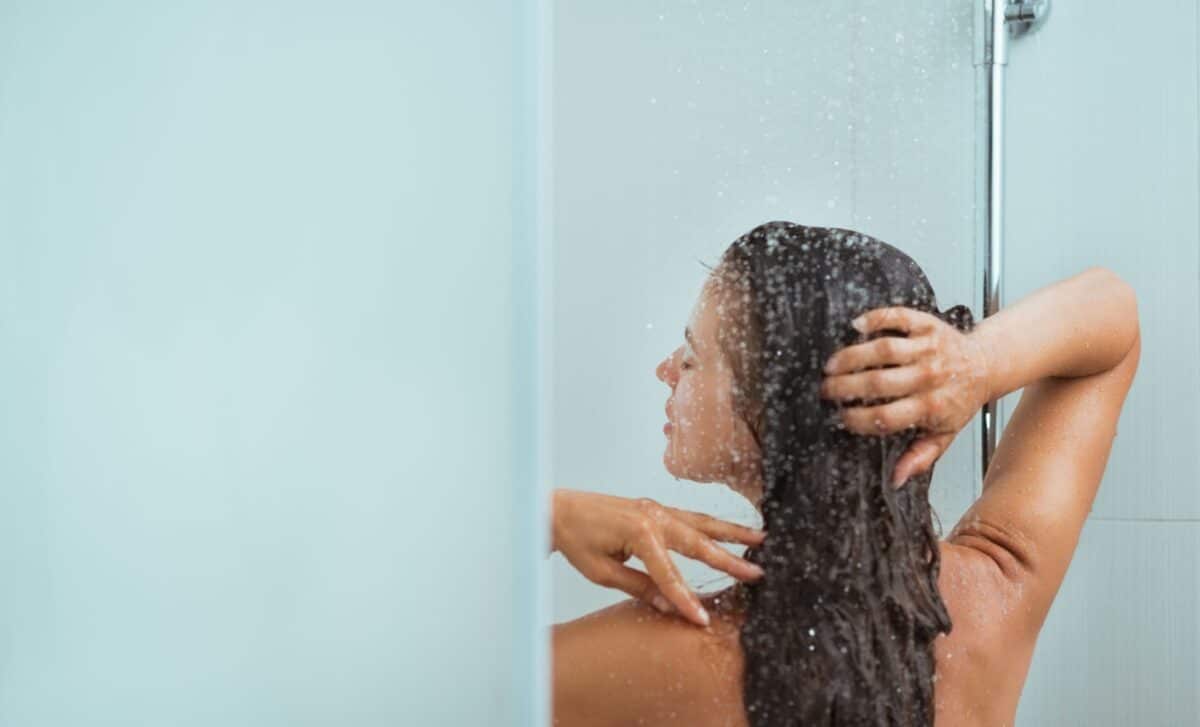
A daily shower seems like the easiest thing in the world. Turn on the water, wash up, rinse, and move on with the day. But this simple routine can have a bigger effect on your skin than you might think. The way you shower, from the temperature of the water to the amount of time you spend under it, can influence how your skin feels afterward. That tight feeling, dry patches, or irritation after stepping out of the bathroom may not come from a lack of skincare products. Sometimes, the problem starts before you even reach for your moisturizer.
Dermatologists say that small changes to your shower habits can help protect your skin’s natural balance. And one of the easiest things to adjust is also one of the most overlooked: how long you stay under the water.
Your Perfect Shower Might be Shorter Than You Think
For many people, the shower is more than just a way to get clean. It is a moment to wake up, relax, or take a break from a busy day. That is why it can be tempting to stay under the warm water for a few extra minutes. But when it comes to your skin, a longer shower is not necessarily a better one.
According to the American Academy of Dermatology, showers and baths should ideally be limited to around five to ten minutes. This is considered enough time to wash effectively while reducing the risk of drying out the skin. The reason is linked to the skin’s natural protective barrier. The surface of the skin is covered by the hydrolipidic film, a thin layer made of water and oils that helps prevent moisture loss. It acts as a defense system, keeping the skin comfortable and helping it protect itself from outside factors.
Long showers, especially with hot water, can weaken this protective layer. The result? Skin that feels tight, rough, or more sensitive than usual. For people who already deal with dry skin, eczema, or irritation, spending too much time in the shower can make these problems worse.
Not sure when to stop? Dermatologist Shari Marchbein, quoted by Real Simple, suggests paying attention to your hands. When your fingers start to wrinkle, it can be a sign that your skin has already had enough contact with water.
How to Keep Your Summer Glow for Weeks After Your Vacation Ends With These Simple Beauty Tips
Hot Showers Feel Amazing, But Your Skin May Not Agree
A steaming hot shower can be one of life’s small pleasures, especially after a cold day or a workout. The problem is that your skin does not always enjoy it as much as you do. Very hot water can remove some of the natural oils found on the skin’s surface. These oils help keep the skin soft and prevent it from losing too much moisture. When they are stripped away too often, the skin can become dry and uncomfortable.
That does not mean you have to switch to cold showers overnight. Dermatologists generally recommend choosing lukewarm water instead of extremely hot temperatures. This small adjustment can make a noticeable difference, especially for people whose skin often feels dry after washing.
The products used in the shower also deserve attention. Strong soaps and harsh cleansers may leave the skin feeling “squeaky clean,” but that sensation is not always a good sign. It can mean that too much of the skin’s natural protection has been removed. Gentle cleansers are usually a better option for keeping the skin balanced.
The same goes for what happens after the shower. Rubbing your skin aggressively with a towel can create unnecessary irritation. A gentler approach is to pat the skin dry and apply moisturizer while it is still slightly damp. This helps trap moisture and keeps the skin feeling smoother for longer.
The Easy Skin Habits Worth Adding To Your Routine
Taking care of your skin does not have to mean buying a long list of expensive products. In many cases, the biggest improvements come from changing everyday habits that are easy to overlook.
A shorter shower, a more moderate water temperature, and a moisturizer applied at the right time can all help maintain healthier-looking skin. These small adjustments are especially useful during periods when the skin is under more stress, such as winter, when cold air and indoor heating can increase dryness.
Your shower should leave you feeling fresh and comfortable, not like your skin needs immediate repair. By paying attention to a few simple details, it is possible to keep the relaxing part of your routine while avoiding habits that may damage your skin over time.