Every summer, many gardeners face the same problem: vegetables are finally growing, the first harvests are getting closer… and then strange marks start appearing in freshly turned soil. The culprits are often neighborhood cats that see vegetable gardens as the perfect place to dig, hide, or do their business.
For gardeners, the result can be frustrating: disturbed seedlings, crushed young plants, and small damages that quickly become annoying. Yet there is no need to rush out and buy expensive products or chemical repellents. A surprisingly simple trick involves an everyday object that many people already have at home: an old fork.
Why Cats Turn Gardens Into Litter Boxes?
Cats do not choose vegetable gardens randomly. These curious animals naturally look for places where they can scratch and cover their waste. A freshly prepared garden bed offers exactly what they are looking for: soft, loose, easy-to-dig soil.
The problem becomes more noticeable when plants are still young. A lettuce seedling, a newly planted zucchini, or freshly sown seeds can quickly be disturbed by a simple visit from a cat. A few scratches can be enough to move soil around and damage several days of gardening work.
Summer conditions make the situation even more common. Regular watering keeps the ground cooler and softer despite high temperatures, making the garden more attractive for animals looking for a comfortable spot. Some cats even return to the same area once they have found a place they like.
Many gardeners therefore look for simple solutions. Store-bought repellents can work, but they require extra spending and often need to be applied repeatedly. Natural methods and recycling tricks are becoming increasingly popular among people who want to maintain their garden with fewer products.
Leaving Your Charger Plugged In 24/7? This Everyday Habit May Not Be as Harmless as You Think
The Fork Garden Trick That Works
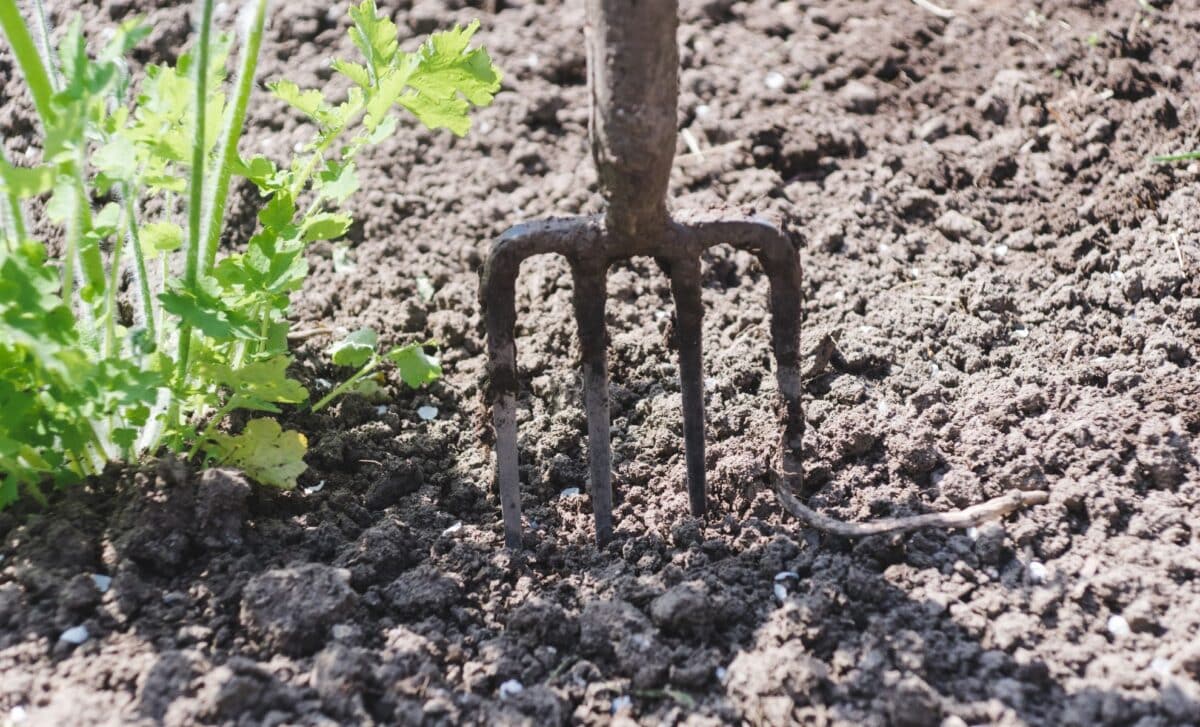
The idea is extremely simple: collect a few old forks and plant them directly into areas where cats usually dig. The fork prongs should face upward to create a surface that is less comfortable for their paws.
The goal is not to hurt the animal. The forks simply make the area less convenient for digging. When a cat arrives and finds the ground covered with small obstacles, it may decide to look for another, more comfortable place.
This trick works especially well around sensitive areas of the garden, such as newly planted seeds, young vegetables, or spots where cats frequently leave signs of their visits. There is no need to cover the entire vegetable patch. A few strategically placed forks can already make a difference.
Another advantage is the cost: there is practically none. Old cutlery forgotten in a drawer can be reused instead of being thrown away. It is a simple way to give everyday objects a second purpose.
Of course, every cat reacts differently. Some will quickly avoid the protected area, while others may simply look for another path. The idea is mainly to make the garden less attractive and break their usual habits.
The Zero-Cost Garden Trick Everyone Needs
The main appeal of this method is its simplicity. It protects vegetables using something you already own, without adding extra expenses or using chemical products. For a home vegetable garden, it is an easy solution to try before investing in specialized equipment.
This technique also helps maintain the natural balance of the garden. It does not rely on strong smells designed to repel animals and does not alter the soil itself. Plants can continue growing in their usual environment.
To improve results, it is best to observe where cats usually go before placing the forks. Targeting the most visited areas avoids unnecessary installation and keeps the garden easier to maintain.