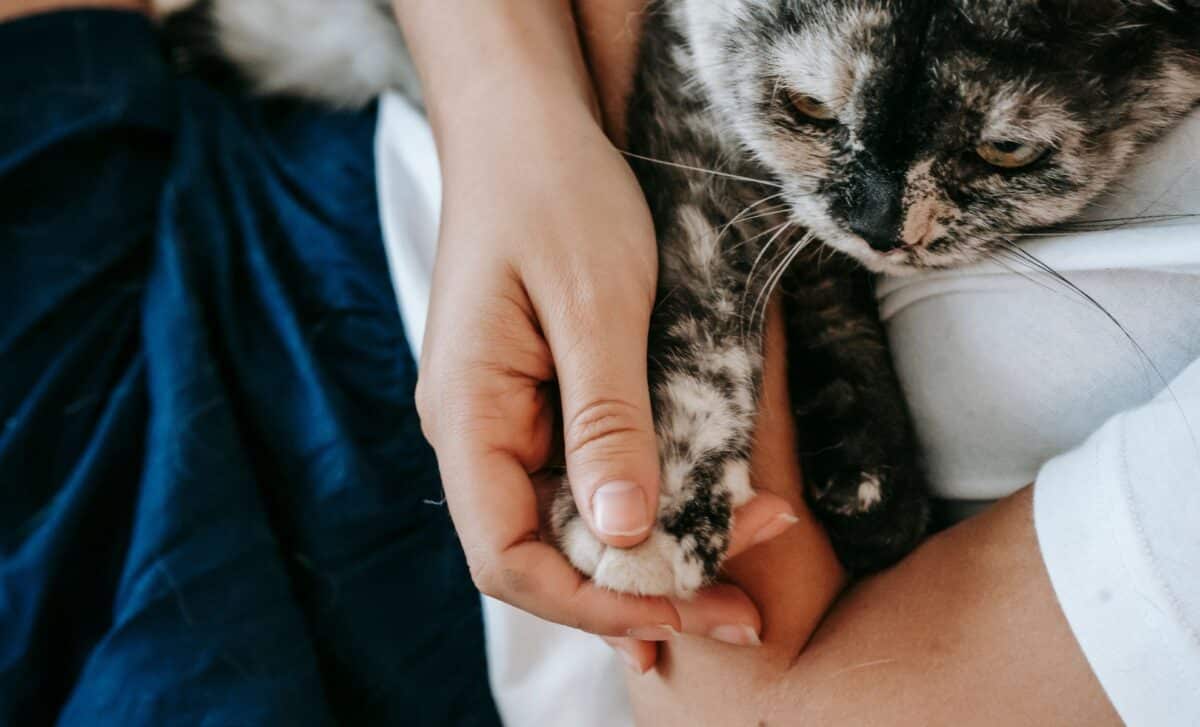
If your cat has suddenly started sticking to you like glue, following you from room to room, or constantly sitting on your lap, it can feel flattering. Many owners enjoy the extra affection. But veterinarians warn that this sudden clinginess can sometimes be a sign that your cat is feeling unwell or struggling in ways you might not notice.
They are experts at hiding pain or weakness. That means small changes in behavior are often the first clues that something might be wrong. Learning to spot these changes can help you act before a health problem becomes serious.
Why Sick Cats Sometimes Become Clingy
Not all fluffballs react the same way when they’re feeling sick. Some retreat and spend more time alone, while others become unusually attached to their owners. Experts say this clinginess often comes from a need for comfort and security. Being near someone familiar helps them feel safe when they’re confused or physically weak.
Older cats, or ones with sensory or cognitive changes, may also seek more attention because they feel less confident navigating their surroundings on their own. A normally independent one that suddenly insists on being near you all the time or follows you everywhere may be trying to communicate that it isn’t feeling well.
This doesn’t mean that every extra affectionate cat is sick. Changes in routine, stress, or even new people or pets in the home can also make a purrer more clingy. The difference is when the clinginess comes with other signs of distress or illness.
Struggling to Remove Labels From Glass Jars? This Simple Kitchen Trick Makes It Much Easier
Other Signs to Watch For
Clinginess alone isn’t always a problem, but veterinarians say it usually shows up alongside other changes. One of the most obvious is a loss of appetite. If your cat stops eating or drinking as usual, that’s a warning sign.
Grooming habits are another clue. Cats normally spend a lot of time keeping their fur clean. When they stop grooming, their coat can become dull, greasy, or matted. This usually happens when they’re too tired or in pain to take care of themselves.
Energy levels matter too. This animal that sleeps more than usual, avoids playing, or seems weak when moving around may be experiencing discomfort or illness. Difficulty jumping on furniture or moving normally can also point to physical problems.
Because cats often hide pain, these small signs are important. When they appear alongside clingy behavior, it’s a strong reason to pay attention.
When It’s Time to Call the Vet
Some signs require urgent attention. If your cat is having trouble breathing, can’t move easily, or hasn’t eaten for more than a day, it’s time to see a veterinarian quickly. Breathing problems are especially serious.
Rapid, labored, or noisy breathing can point to conditions that need prompt care. Weakness, loss of appetite, and mobility issues are also red flags that shouldn’t be ignored. Early veterinary care can make a real difference. A checkup can identify the problem, relieve pain, and help your cat feel more comfortable.