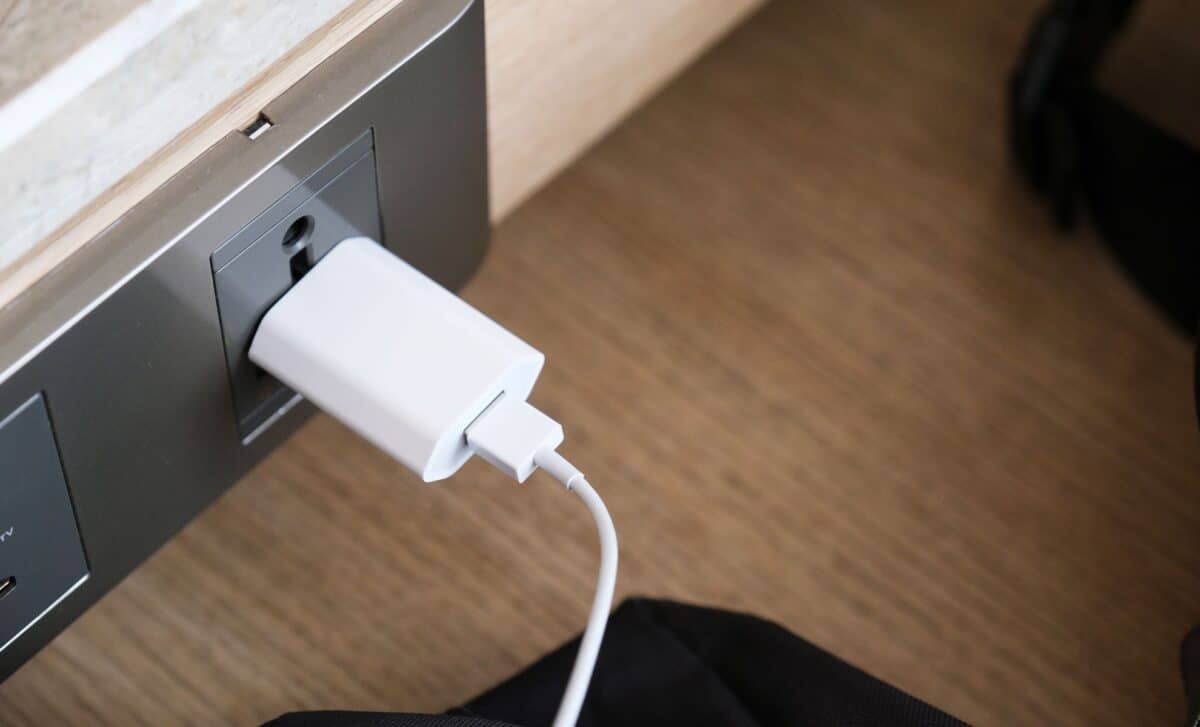
Most of us do it without thinking. The phone reaches 100%, we unplug the device and leave the charger sitting in the wall socket, ready for the next use. It feels completely harmless, but that small habit is not as neutral as it seems.
A charger that is plugged in without a phone connected is still doing something in the background, and the way we use our chargers can also affect their lifespan. From wasted energy to potential safety issues and battery wear, a few simple changes can help keep your devices in better shape.
Your Charger Is Still Working Even When Nothing Is Connected
A charger does not completely switch off when it is left plugged into the wall without a device attached. Instead, it enters a low-power state known as standby consumption. It uses a small amount of electricity to keep its internal components running.
The amount of energy is very low and will not dramatically change your electricity bill. According to Bebat, a Belgian environmental organisation focused on batteries, the power used by an unused charger is much lower than many other devices left on standby, such as a television.
Still, those small amounts can add up. Many homes now have several chargers plugged in at the same time: phones, tablets, smartwatches, wireless earbuds and laptops. Leaving all of them connected permanently creates unnecessary energy use over time.
Battery company Anker explains that some internal parts of a charger remain active at low power while connected to the electrical outlet. Even without charging a device, the adapter is still operating quietly in the background.
Unplugging chargers when they are not needed can also help protect the equipment itself. Constant exposure to electricity and heat can contribute to the gradual wear of electronic components, especially if the charger is kept in a warm or poorly ventilated area.
This does not mean every plugged-in charger is dangerous. Quality chargers are designed to handle regular use, but getting into the habit of disconnecting them when they are not needed is an easy way to take better care of your accessories.
Cut Watermelon Never Lasts? This Simple Fridge Trick Helps It Stay Fresh Much Longer
Signs That Your Charger May Need Replacing
Not all chargers are made the same way. Reliable models usually include safety features that protect against overheating, voltage changes and excessive current. Cheaper or damaged chargers may not offer the same level of protection.
One of the easiest warning signs to spot is unusual heat. A charger can become slightly warm while charging, but it should not feel hot when it is plugged in without any device connected. If that happens, it may point to an internal problem and replacing it is the safer option.
The cable also deserves attention. Daily bending, twisting and pulling can damage the wires inside, even if the outside still looks fine. A cable that becomes hot, charges inconsistently or shows visible damage should not be ignored.
The way you connect and disconnect your charger can also make a difference. According to Viox Electric, it is better to plug the charger into the wall first and then connect your phone. When charging is complete, remove the phone before unplugging the charger from the socket.
Is Charging Your Phone Overnight Slowly Damaging The Battery?
Charging your phone overnight is one of the most common habits. Modern smartphones are designed to stop normal charging once they reach 100%, so leaving them plugged in does not usually cause immediate damage. However, staying connected for many hours can still create extra heat and small charging cycles that may affect battery health over time.
Lithium-ion batteries, which are used in most smartphones, do not handle heat well. Companies such as Xiaomi advise avoiding unnecessary long charging periods, especially when the phone remains connected for hours after reaching full capacity.
Battery expert Isidor Buchmann, founder of Battery University, has also highlighted the benefits of shorter and more regular charging habits. Many specialists recommend keeping battery levels somewhere around 20% to 80% when possible, as this reduces stress on the internal components.
It is also better not to wait until the battery reaches 0% before charging. Deep discharges can speed up battery wear. Small top-ups during the day are generally healthier than repeatedly draining the battery completely.
Temperature is another major factor. Using your phone heavily while it is charging, leaving it in direct sunlight or covering it while charging can increase heat and reduce battery performance over time.