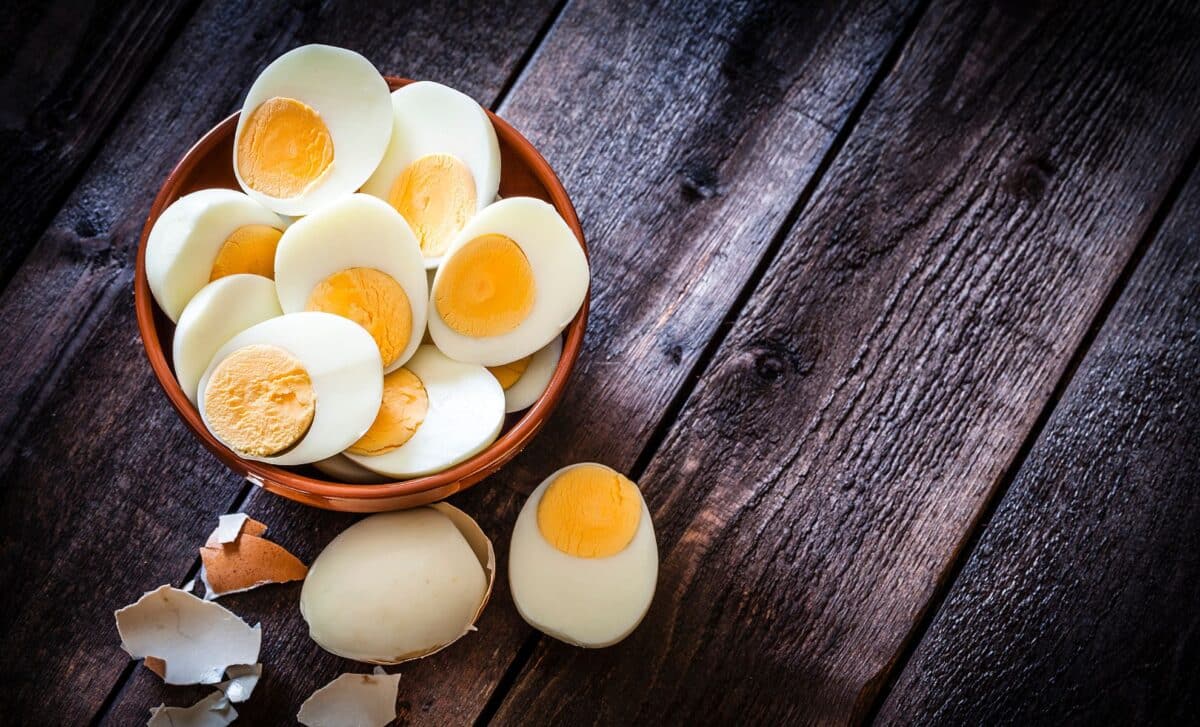
Hard-boiled eggs are one of those kitchen staples that always come in handy. They can turn a simple salad into a filling meal, add protein to a sandwich, or become the perfect grab-and-go snack. They’re easy to cook, affordable, and great for meal prep. But there’s one question that keeps coming up: how long do they actually stay fresh? Should you leave the shell on? Can you eat them a week later? And what about all those popular tricks people swear by?
The truth is, storing hard-boiled eggs isn’t complicated, but a few common mistakes can shorten their shelf life. Knowing the right way to keep them fresh means less food waste and more peace of mind when it’s time to grab one from the fridge.
The Shell Is Your Egg’s Best Friend
Once your eggs are cooked, proper storage makes all the difference. After they’ve cooled down, they should go into the refrigerator as soon as possible. Food safety experts recommend avoiding leaving hard-boiled eggs at room temperature for more than two hours. If the shell is still on, the egg will generally keep for up to one week in the fridge. That shell works as a natural layer of protection, helping keep bacteria out and moisture in.
Things change once the shell comes off. Peeled hard-boiled eggs dry out faster and should ideally be eaten within two to three days. Keeping them in an airtight container helps them stay fresher and prevents them from picking up odors from other foods in the refrigerator.
One popular myth is that dropping an egg into a glass of water tells you whether it’s safe to eat. While the test can give you an idea of the egg’s age, it doesn’t guarantee that it’s safe. The best clues are much simpler: if they smells bad, feels slimy, or has unusual discoloration, it’s time to throw it away.
The Sleepy Girl Mocktail Has Become TikTok’s Favorite Nighttime Drink, but Does It Actually Help You Sleep Better?
How To Make Your Hard-boiled Eggs Last
Before you even start boiling eggs, take a quick look at the shells. If one is cracked before cooking, it’s usually best not to store it for later. After boiling, cooling the eggs in cold or ice water is perfectly fine. It stops the cooking process and often makes peeling much easier. Once they’re cool, dry them off and refrigerate them promptly.
It’s also worth paying attention to the date on the carton before cooking your eggs. Even if an egg looks perfectly normal, following the recommended use-by guidance is the safest choice, especially for young children, older adults, pregnant women, and anyone with a weakened immune system. If you like preparing hard-boiled eggs for the week ahead, writing the cooking date on the storage container is a simple trick that helps you keep track of freshness.
With just a few smart storage habits, hard-boiled eggs stay a convenient, protein-packed option for busy days. They’re quick, versatile, and easy to add to almost any meal. Treat them well, and they’ll be ready whenever you need a healthy snack or an easy lunch ingredient.