When a heatwave hits and your kitchen starts feeling more like an oven than a cooking space, it’s normal to wonder whether your eggs need special treatment. Should they stay on the counter? Go straight into the fridge? Or does it depend on how hot your home gets?
The good news is that keeping eggs safe during hot weather isn’t complicated. A few simple habits can help preserve their freshness and reduce the risk of bacteria. The biggest mistake isn’t always where you store them, it’s often how often you change their environment.
The Biggest Mistake? Moving Eggs Back And Forth
Many people assume that when temperatures rise, eggs should automatically be moved into the fridge. In reality, the most important thing is consistency. When eggs go from a warm room to a cold refrigerator, condensation can form on the shell. That moisture may make it easier for bacteria to get through the shell’s natural protective barrier. That’s why food specialists recommend choosing one storage method and sticking with it.
If your home stays relatively cool, they can remain at room temperature. But during a heatwave, when indoor temperatures regularly climb above 25°C (77°F), refrigeration becomes the safer choice. A cool pantry is often ideal, but not everyone has one. In many homes during summer, the kitchen can quickly become one of the warmest rooms in the house.
If that’s the case, placing eggs in the fridge can help maintain their quality for longer. The key takeaway is simple: avoid repeated temperature changes. Once eggs are refrigerated, keep them there until you’re ready to use them.
Scientists Are Looking at Why Left Side Sleepers Keep Getting the Most Unhinged Dream Content at Night
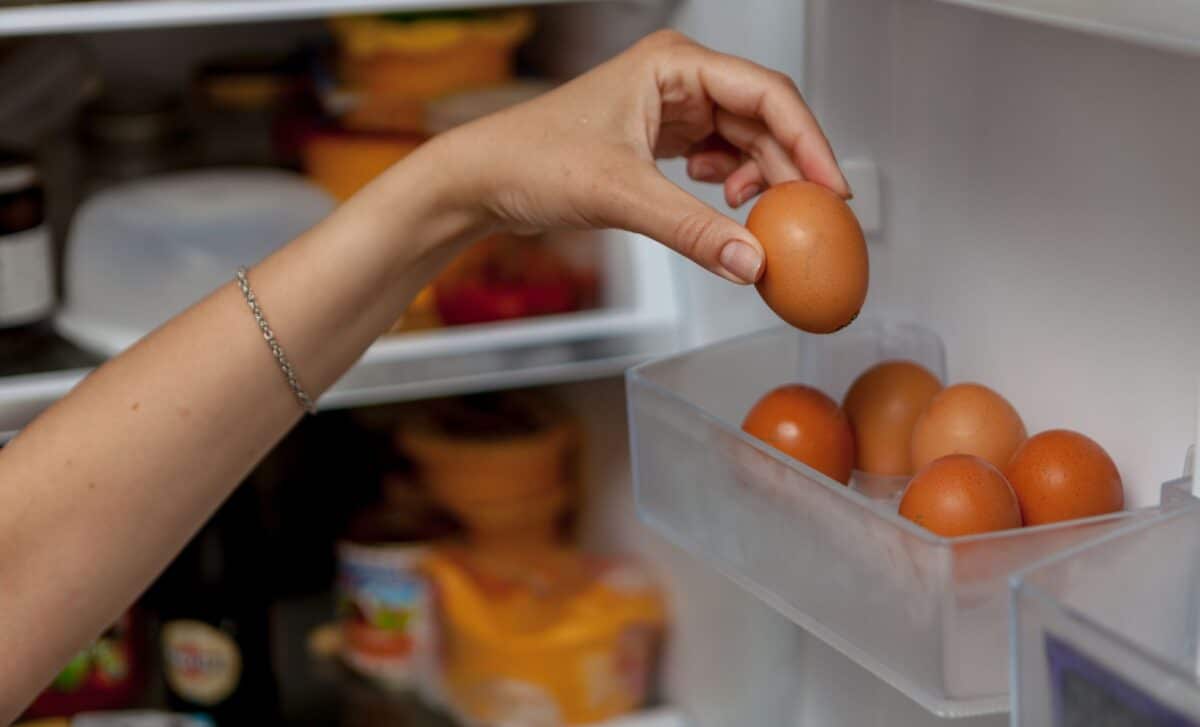
If They’re In The Fridge, Don’t Put Them In The Door
It might seem like the perfect spot, especially since many refrigerators come with egg holders built into the door. But this is actually one of the worst places to store them. Every time the refrigerator is opened, the temperature in the door fluctuates. Anything stored in that area is subjected to regular temperature swings, which may impact quality and freshness.
A better option is to keep them on an interior shelf where the temperature remains more stable. Leaving them in their original carton is also a smart move. The carton protects the eggs and helps prevent them from absorbing odors from other foods.
This matters more than many people realize. Eggshells are naturally porous, meaning they can pick up smells from strong foods like onions, garlic, or certain cheeses. Keeping them in their carton helps reduce that risk.
One last tip: don’t wash eggs before storing them. Their shells are covered by a natural protective coating that helps keep bacteria out. Washing can remove that layer and make eggs more vulnerable. If a shell looks a little dirty, a quick wipe with a dry cloth is usually enough.