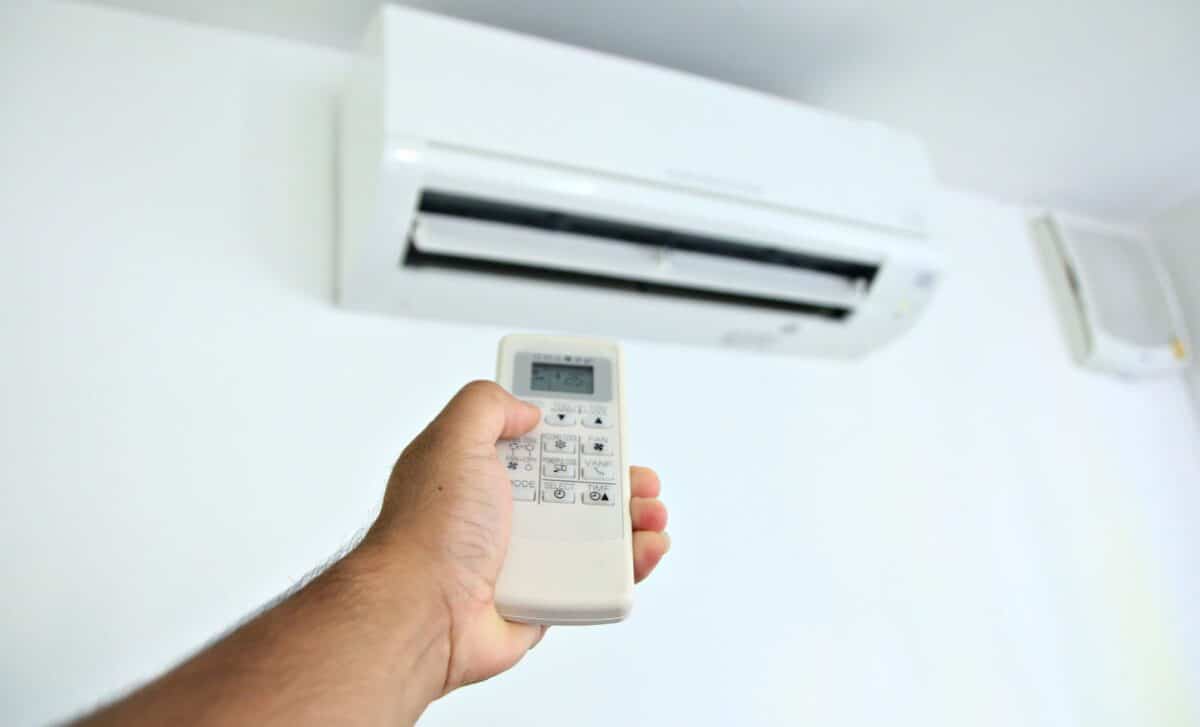
Many people turn on their air conditioner’s heating mode and immediately crank up the temperature. It seems logical: the higher the setting, the faster the room should warm up. But according to heating experts, that’s not actually how most systems work.
In fact, setting the temperature too high can lead to higher electricity bills without making your home feel any warmer any sooner. The good news is that a small adjustment could help you stay comfortable while using less energy throughout the winter.
Why Turning the Heat Up to the Max Doesn’t Help
A lot of people set their air conditioner to 82°F, 86°F, or even higher when it’s cold outside. The idea is simple: more heat should mean a faster warm-up. In reality, most air conditioners don’t work that way.
Whether you set the temperature to 72°F or 86°F, the system will generally run at full power until it reaches the target temperature. A higher setting doesn’t make the warm air come out any faster. It just means the unit has to work longer to reach that goal.
As a result, your energy consumption can increase significantly without providing any real benefit. That’s why experts say the key isn’t choosing the highest temperature possible, it’s choosing the most efficient one.
Many homeowners are surprised to learn that a comfortable indoor temperature doesn’t need to be excessively warm. In most cases, a moderate setting is enough to keep living spaces cozy while helping to avoid unnecessary energy use.
Seeing Bats in Your Garden at Night? Here’s Why It’s Actually Great News for Your Home
The Sweet Spot for Comfort and Savings
Heating specialists generally recommend keeping your air conditioner between 68°F and 72°F (20°C to 22°C) during winter. This range is considered the best balance between comfort and efficiency. It keeps rooms pleasantly warm while allowing the system to operate without using more energy than necessary.
Another advantage is that it reduces the difference between indoor and outdoor temperatures. When the gap becomes too large, moving between environments can feel uncomfortable, and the system has to work harder to maintain the higher temperature.
Even a few extra degrees can make a noticeable difference on your electricity bill over time. That’s why many energy-saving guides recommend staying within this temperature range whenever possible.
A Few Simple Tricks to Get Better Results
Temperature isn’t the only thing that matters. Small adjustments can also help your heating system work more efficiently. For example, experts recommend pointing the air vents downward when using heating mode. Because warm air naturally rises, directing it toward the floor helps distribute heat more evenly throughout the room.
If your unit has an Eco Mode, it’s worth using. This setting is designed to maintain a comfortable temperature while reducing energy consumption. It may take slightly longer to warm up the room, but it can help lower your electricity costs in the long run.
Regular maintenance also makes a difference. Clean filters improve airflow and help the system perform at its best. Keeping doors and windows closed and reducing drafts can further improve efficiency and keep warmth inside where it belongs.