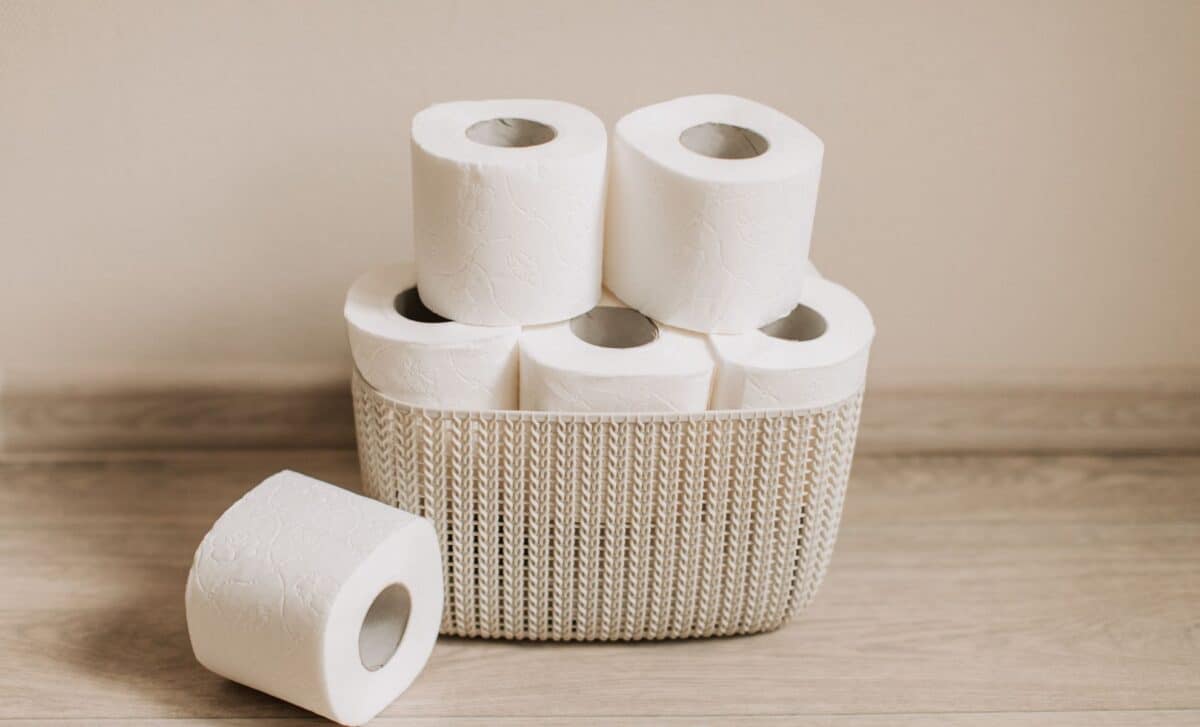
Toilet paper has been a bathroom staple for decades, but a growing number of people are exploring another option. Inspired by a practice that has been common in Japan for years, washlets and bidet attachments are attracting attention for their ability to clean with water instead of paper. As awareness grows, more households are considering whether these systems could become part of their daily routine.
Interest in washlets has increased in recent years as consumers look for ways to improve hygiene, reduce paper use, and add more comfort to their bathrooms.
A Popular Japanese Innovation Is Reaching More Homes
As explained in Times of India report, washlets have been widely used in Japan for decades and are now gaining visibility in other parts of the world. Rather than relying entirely on toilet paper, these systems use a gentle stream of water for cleaning after using the toilet.
Many modern models include adjustable water temperature and pressure settings, while higher-end versions may feature warm-air drying, heated seats, deodorizing systems, and automatic lids. For those looking for a simpler option, handheld bidet sprayers and toilet-seat attachments are also available.
The market now offers products for a wide range of budgets. Basic bidet attachments can cost as little as $45, while premium smart toilet systems can exceed $1,100. As more products become available, consumers have more choices than ever before.
Pour This Into Your Sink for 30 Seconds at Night, Flies May Stop Invading Your Kitchen
Hygiene and Comfort Are Driving Interest
One of the main reasons people switch to washlets is the cleaning experience. Many users feel that water provides a more thorough clean than toilet paper alone.
The ability to customize settings is another major advantage. Users can adjust the water pressure, temperature, and spray position according to their preferences. This level of control allows for a more comfortable experience and can be particularly appealing for people with sensitive skin.
Supporters of washlets often point to the combination of convenience and comfort as a key benefit. What may seem unusual at first can quickly become a preferred habit for many users. As discussions about personal hygiene continue to gain attention online, washlets are becoming increasingly familiar to consumers who may never have considered them before.
Lower Paper Consumption Could Lead to Savings
Cost is another factor contributing to the growing interest in washlets. The average household spends money on toilet paper throughout the year, creating an ongoing expense that many people rarely think about.
Some estimates suggest that a household can spend more than $110 annually on toilet paper. Because washlets rely primarily on water, they can significantly reduce paper consumption. While some users still use a small amount of paper for drying, overall usage is often much lower.
The initial purchase price varies depending on the type of system selected, but many consumers view it as a long-term investment. Lower paper use, added comfort, and modern features are helping make washlets an increasingly attractive option. Toilet paper is unlikely to disappear anytime soon, but changing consumer habits suggest that alternatives are gaining ground.