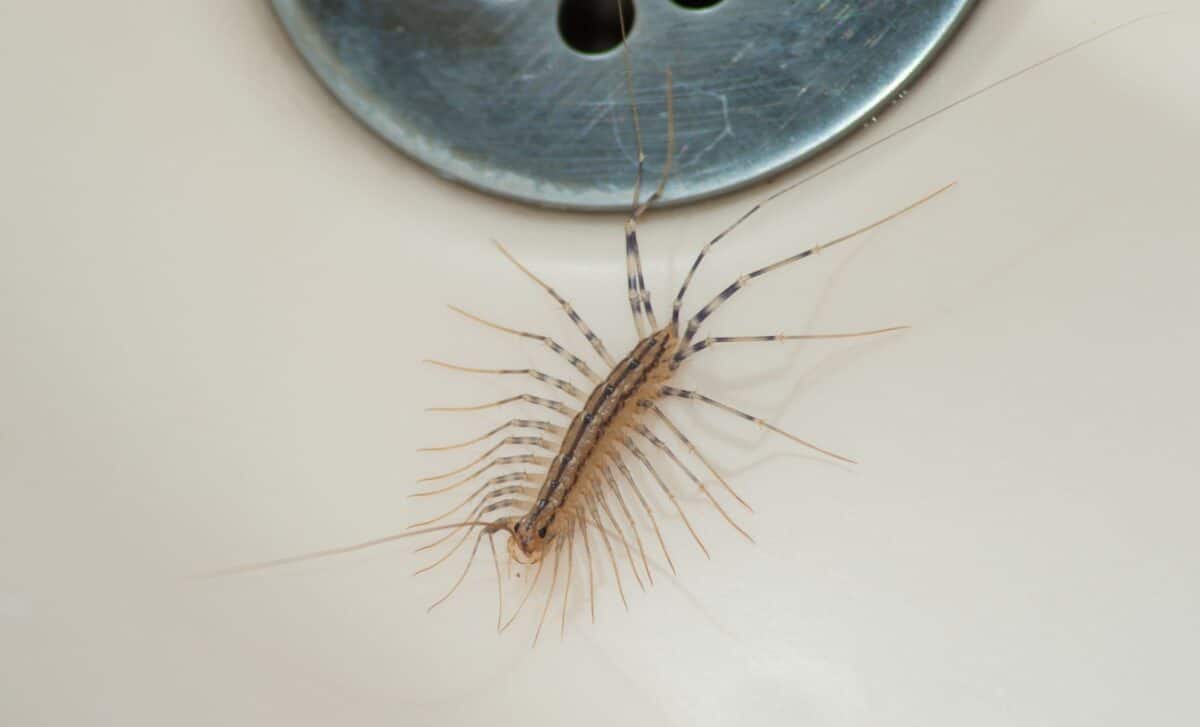
Few household pests trigger the same reaction as a centipede racing across the floor. While they aren’t known for causing damage to homes, their appearance can still be unsettling. If you’ve noticed more of them lately, you’re not alone. They tend to become more visible as temperatures rise, often finding their way indoors in search of the things they need most: food, moisture, and shelter.
The good news is that seeing a centipede doesn’t automatically mean you have an infestation. In fact, their presence often points to conditions within the home that can be addressed relatively easily.
Why Centipedes Keep Coming Inside
Centipedes enter homes for a few simple reasons: food, moisture, and shelter. Unlike many household pests, they are predators rather than scavengers. Their diet includes insects such as ants, silverfish, spiders, and even cockroaches. When these pests are present, centipedes may follow them indoors in search of an easy food source.
Moisture is another major attraction. Bathrooms, kitchens, basements, laundry rooms, and crawl spaces often provide the damp environments they prefer. These areas also tend to attract other insects, creating an ideal hunting ground. As a result, they are frequently found near drains, sinks, water heaters, and other locations where humidity remains high.
They are also nocturnal creatures that prefer dark, secluded spaces. During daylight hours, they hide behind furniture, beneath storage boxes, inside cracks, or within wall voids. Because they spend most of their time out of sight, many homeowners may only notice them occasionally even when they have been present for some time.
This Beautiful Houseplant Is Showing Up in Homes Everywhere, and the Reason Has Nothing to Do With Its Looks
When a Few Sightings Could Signal a Larger Issue
Finding a single centipede every now and then is usually not a cause for concern. In fact, many homes experience occasional sightings without having a significant infestation.
However, repeated encounters can suggest that conditions inside the home are encouraging them to stay. If centipedes are appearing regularly in different rooms, it may be worth investigating whether excess humidity or another pest problem is present. Their continued presence often indicates that the environment is supporting both their survival and their food supply.
Another sign to watch for is the presence of shed exoskeletons. Like other arthropods, centipedes molt as they grow, leaving behind pale, translucent shells. Discovering multiple shed skins may indicate that they are spending enough time indoors to mature and complete several growth stages within the home.
How to Make Your Home Less Appealing to Centipedes
The most effective way to discourage centipedes is to remove the conditions that attract them in the first place. Because they rely on other insects for food, reducing overall pest activity can have a significant impact. Regular cleaning, proper food storage, and minimizing clutter help eliminate hiding places for the insects centipedes hunt.
Controlling humidity is equally important. Repairing leaking pipes, improving ventilation, and using dehumidifiers in damp areas can make a home far less attractive to these moisture-loving creatures. Basements and crawl spaces deserve particular attention, as they often provide the stable conditions centipedes prefer.
Homeowners should inspect potential entry points around the property. Small foundation cracks, gaps around windows and doors, and worn weather stripping can all provide easy access. Sealing these openings not only helps keep centipedes out but can also reduce the likelihood of other pests entering the home.
While centipedes can be startling to encounter, they are often more of a symptom than the problem itself. Addressing excess moisture, limiting insect activity, and sealing entry points can go a long way toward making your home a place they are less likely to visit.