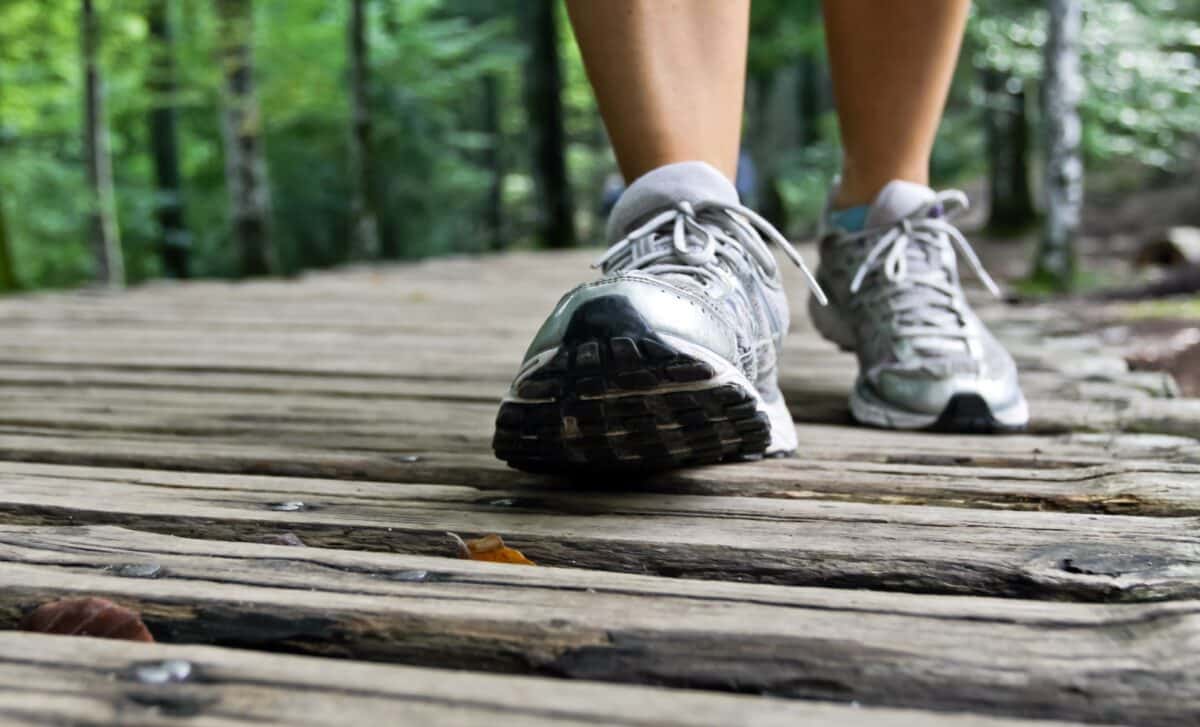
Whether you prefer a short walk after dinner or a stroll before sitting down to eat, walking remains beneficial for your health. However, the timing of your walk can have different effects on your body. As Renate Akkerman , a nutritionist at the Venlo campus of Maastricht University, explains, the ideal solution mainly depends on what you’re trying to achieve.
Opting for a Walk Before Dinner
Akkerman says there’s no one-size-fits-all when it comes to the best time to walk for your health. Walking before and after meals has different effects on the body.
Walking before a meal mainly helps burn more fat. On an empty stomach, the body is more inclined to use fatty acids for energy. It can also help reduce hunger slightly. As the specialist points out: “The level of ghrelin, the hunger hormone, is slightly lower after light physical activity, which can sometimes lead to a natural decrease in appetite.”
They’re Back and Devouring Your Plants: How to Keep Aphids Away for Good This Spring
Taking a Walk After Dinner
Walking after a meal offers different benefits. It’s especially effective for managing blood sugar and helping digestion. A quick 10- to 15-minute walk following a meal helps your body clear glucose from the bloodstream more efficiently.
The impact on blood sugar is especially noticeable. After a meal, glucose enters the bloodstream. During physical activity, muscles directly use this glucose as fuel. The nutritionist explains, “As a result, blood sugar rises more gradually, and the body requires less insulin. This also reduces the likelihood of a later energy dip.”
However, she emphasizes that walking doesn’t change the amount of nutrients absorbed: “In principle, your body absorbs the same amount of proteins, fats, vitamins, and minerals whether you exercise or not.” On the other hand, movement promotes digestion: “Your intestines start to move, which speeds up digestion and reduces bloating.”
What You Eat Affects the Results
The effect of walking also depends on what you’ve eaten. After a meal rich in carbohydrates (bread, pasta, rice), a walk is especially beneficial. As Akkerman explains, “These meals cause a quicker rise in blood sugar. By exercising afterward, you significantly reduce this spike.”
When consuming more protein- or fat-focused meals, this effect is less pronounced. “In this case, blood sugar rises less, so walking after eating has a smaller impact. However, it still benefits digestion.”
What’s the Best Time to Walk?
Is there a clear winner? Not exactly, though Akkerman leans slightly toward walking after meals. For most people, she says, the overall health advantages, particularly for blood sugar control and digestion, give after-meal walking a small edge.
However, she adds an important point: “The difference between walking before or after eating is less significant than the difference between exercising and not exercising at all. When you enjoy walking, the most important thing is to move.”