Heatwaves are back, and every summer the same “quick fix” makes the rounds again: covering windows with aluminium foil. It looks simple, cheap, and surprisingly convincing at first glance. Stick it on the glass, block the sun, feel the room cool down… in theory. In reality, things are a bit less straightforward, and the result often doesn’t match the promise. Sometimes it even creates new problems you didn’t sign up for.
The “Cooling Hack” That Mostly Tricks Your Eyes
Aluminium foil changes how a room looks before it changes how it feels. It reflects visible light, so the space instantly becomes darker and less glaring. That alone gives a strong impression that the heat has dropped. But that’s mostly your eyes talking, not the thermometer.
Heat doesn’t behave like brightness. A lot of the sun’s energy still gets through the glass in other forms, especially infrared. So even if the room looks calmer, the temperature can keep climbing quietly in the background. That’s where the disappointment usually kicks in later in the day.
There’s also the way aluminium foil is installed. Most people just tape it up quickly, which means wrinkles, gaps, and uneven coverage. Those imperfections matter more than you’d think. They create hot spots where sunlight still sneaks in and bounces around. Instead of a clean “heat shield,” you end up with a patchy filter that doesn’t really control anything properly.
And then there’s the trapped air between the foil and the window. Once that space heats up, it doesn’t move much. It just sits there, warming up like a small pocket of still air pressed against the glass. That can make the area near the window feel even more uncomfortable than before.
Are Your Towels Feeling Rough? This Under $3 Household Staple Could Make Them Soft Again
What Your Window Is Doing Under Aluminium Foil
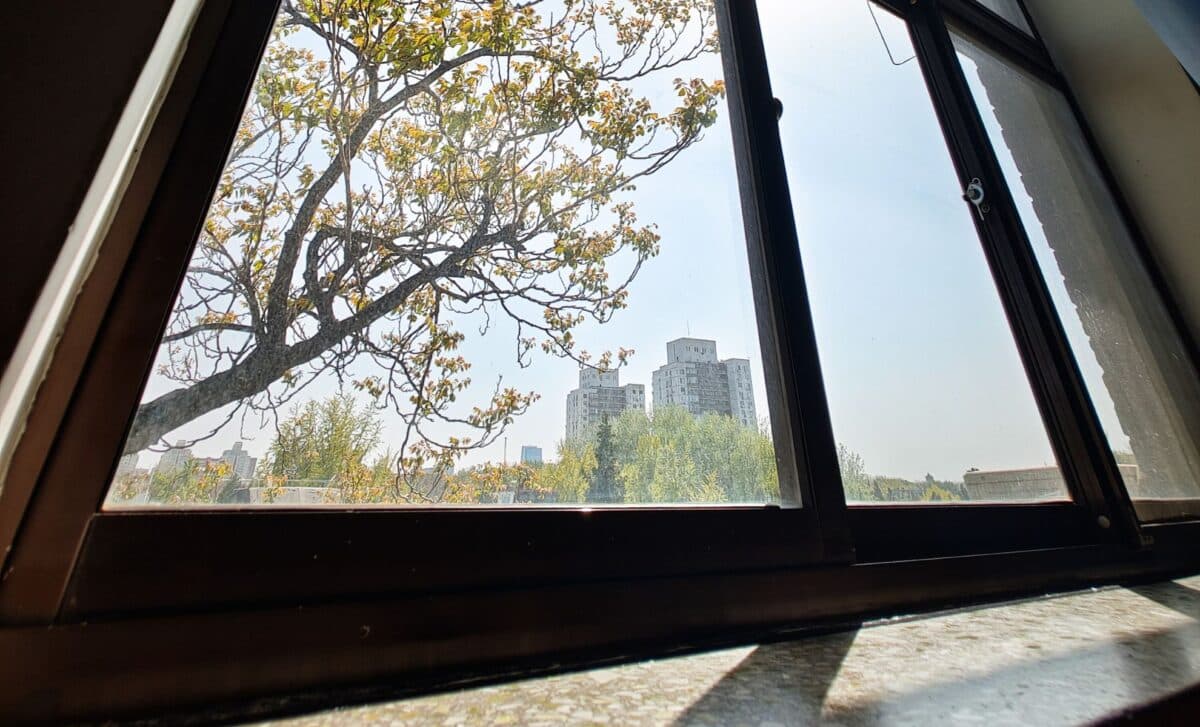
A window isn’t just a piece of glass letting light in. It already tries to balance heat, light, and insulation. The problem with putting aluminium foil on the inside is timing: it reacts after the sun has already entered the system.
So instead of blocking heat at the source, you’re dealing with it once it’s already inside the glass. The energy comes in, turns into heat, and gets stuck in that tight space between window and foil. That’s not exactly what you want during a heatwave.
On double glazing, the situation can get even more sensitive. These windows are designed to handle gradual temperature changes. But when one side heats up while the other stays shaded, it creates uneven stress. Nothing dramatic in most cases, but still not ideal if it goes on for days under strong sun.
And let’s not forget the practical side. Aluminium foil taped to windows is never a long-term friend. It can soften, leave marks, or become annoying to remove later. What starts as a “temporary summer trick” can easily turn into a scraping session when temperatures drop again.
The Few Things That Genuinely Cool Your Home
If the goal is to keep a room cooler, the real game changer is stopping sunlight before it hits the glass. Anything placed outside the window works way better than something stuck on the inside. External shutters, blinds, or even simple shade cloths make a noticeable difference because they block the heat early in its path.
Inside the home, thick curtains or light fabrics can still help, but they’re more of a support act. They reduce glare and soften the feeling of heat, but they don’t stop the actual energy coming through the window.
Timing matters just as much as materials. Opening windows early in the morning or late at night lets in cooler air, while keeping them shut during peak heat helps avoid trapping more warmth inside. It sounds basic, but it’s often more effective than DIY fixes stuck on the glass.