As temperatures rise, many households are looking for tricks to stay comfortable without relying entirely on air conditioning. Alongside insulation, shutters and good ventilation, some traditional cooling methods are attracting renewed interest. One of them is the damp curtain, a simple technique inspired by Andalusian homes where passive cooling has been used for generations.
Based on a well-known physical principle, this low-cost solution uses evaporation to create a cooler airflow near an open window. While it won’t replace an air conditioner, it can help improve comfort under the right conditions and offers an energy-efficient alternative worth considering during the summer months.
A Traditional Cooling Trick Based on Evaporation
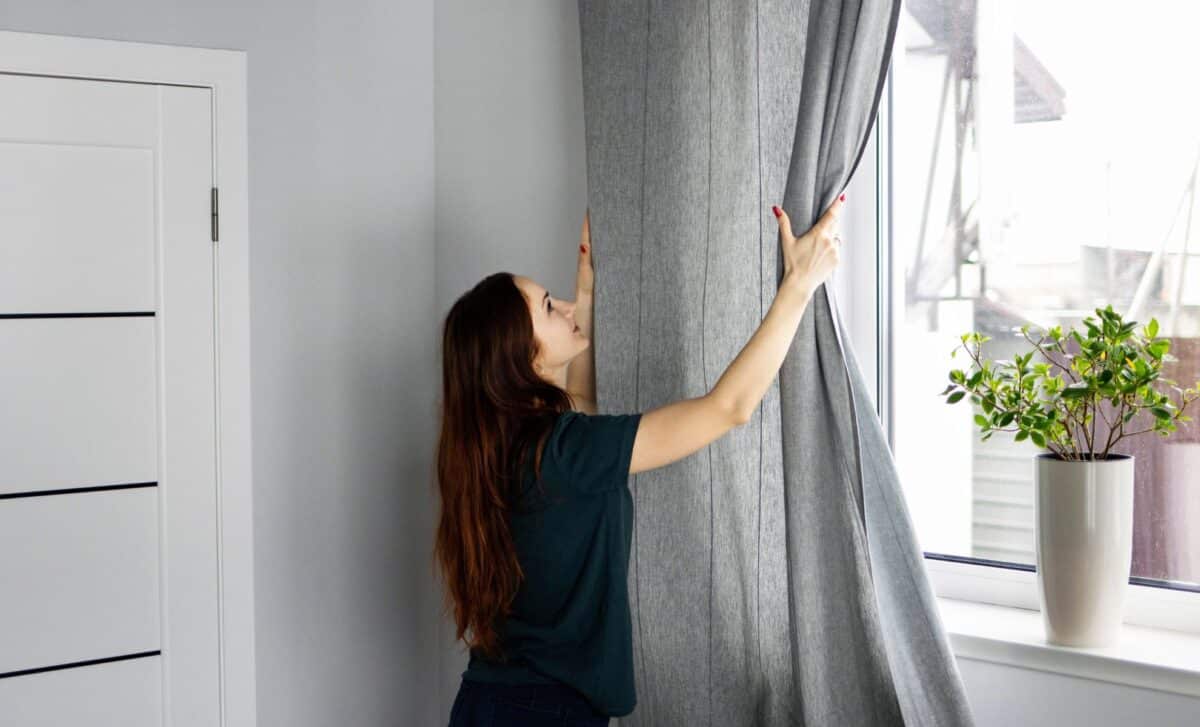
The trick behind the damp curtain is straightforward. In many Mediterranean regions, especially southern Spain, homes were designed to reduce indoor temperatures without mechanical cooling. Thick walls, shaded courtyards and water features all played a role in keeping interiors more comfortable during hot weather. The damp curtain follows the same logic. A linen or cotton curtain is kept moist, often using a cotton wick connected to a container of water.
As air passes through the fabric, some of the water evaporates. Because evaporation absorbs heat, the moving air can feel slightly cooler. This effect is generally more noticeable in hot, dry climates where evaporation happens more easily. In humid conditions, the cooling effect is much smaller. Although the temperature reduction is limited, the technique can improve thermal comfort around a window while requiring no electricity.
How Often Should You Wash Your Towels? Cleaning Experts Set the Record Straight
A Simple DIY Project With Realistic Expectations
Making a damp curtain requires only a few basic materials, including an absorbent fabric, a curtain rod, a container filled with water and a cotton cord that keeps the fabric damp through capillary action. The setup is inexpensive and easy to maintain, making it appealing for anyone looking to reduce energy use during the summer. That said, it is important to understand its limitations.
Unlike an air conditioner, this trick does not actively cool an entire room or remove heat from the home. Its effectiveness depends on several factors, including outdoor humidity, airflow and window orientation. It also requires regular maintenance to prevent mold or bacteria from developing in the damp fabric or standing water.
Used alongside other passive cooling strategies, such as closing blinds during the hottest part of the day and ventilating the home overnight, it can contribute to a more comfortable indoor environment while using little to no energy.