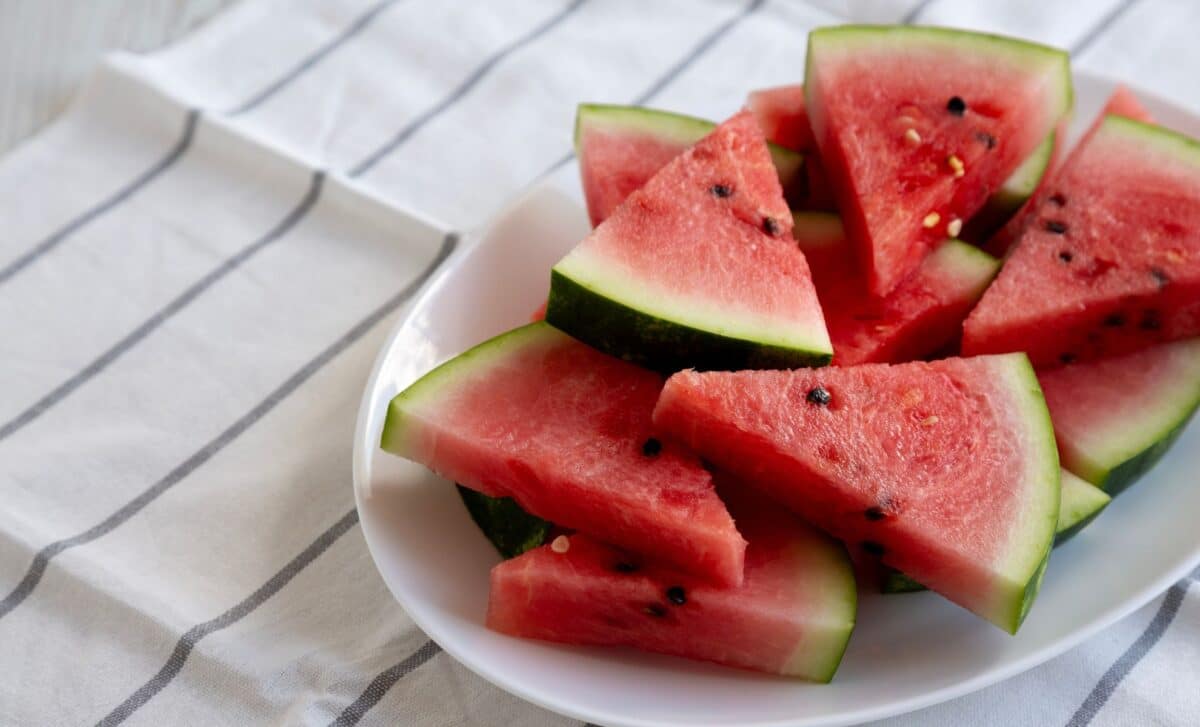
It’s hard to resist a slice of watermelon when temperatures soar. Refreshing, juicy, and light, it’s one of those fruits people often buy in large quantities, so there’s usually some left over after a meal. Once it has been cut, one question always comes up: how long can it stay in the refrigerator before it starts losing its freshness?
Many people think wrapping it in plastic wrap is enough, but that’s not always the case. A few simple habits can help keep watermelon fresh for longer while preventing it from becoming soft too quickly or unsafe to eat.
The Biggest Mistake Happens Right After You Cut It
When serving watermelon, it’s tempting to leave the platter on the table so everyone can help themselves. But that’s often when the fruit starts to deteriorate. Once it has been cut, the flesh becomes much more vulnerable to heat and bacteria. Food safety authorities recommend putting it back in the refrigerator as soon as the meal is over. If it sits at room temperature for several hours, especially during a heatwave, it will not stay fresh for long.
The storage container also makes a difference. An airtight container is the best way to protect the flesh from air and prevent it from drying out. If you are storing half a watermelon, simply cover the cut side before placing it in the fridge. Another tip that helps preserve its freshness is to keep it in large wedges instead of cutting everything into small cubes. The more surface area exposed to the air, the faster the fruit loses its crisp texture.
There is also one step many people overlook before slicing the fruit: rinsing the rind under running water. This helps reduce the transfer of bacteria from the skin to the flesh when the knife cuts through it.
Forget Anti-Fog Sprays: This $2 Soap Trick Keeps Bathroom Mirrors Clear for Weeks
How Long Does Cut Watermelon Actually Last?
When stored properly, cut watermelon generally stays fresh for three to five days in the refrigerator. After that, its quality gradually declines, even if it has remained chilled. Rather than relying only on the date, it is important to look for signs that the fruit has started to spoil.
If the flesh becomes very soft, slimy, or develops an unusual smell, it is best not to eat it. Visible mold, even if it appears on only a small section, is another clear sign that the watermelon should be discarded. These precautions are especially important for people who are more vulnerable to foodborne illness, including pregnant women, young children, and older adults.
If you know you will not eat the remaining watermelon within a few days, freezing is a practical solution. Spread the pieces out on a tray so they freeze individually before transferring them to a freezer bag. After thawing, the texture will not be as crisp, but the fruit will still be perfect for smoothies, granitas, or homemade frozen treats.