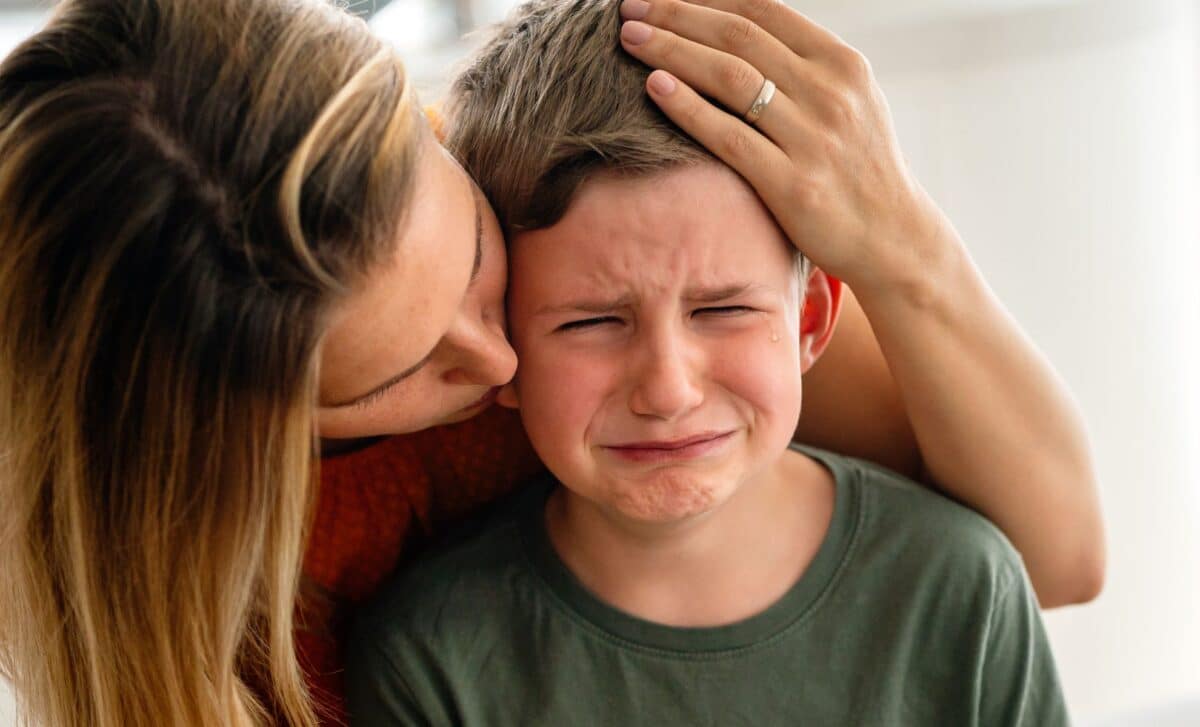
A study that’s been making the rounds recently points to something pretty simple: kids who are allowed to express sadness and frustration without being punished tend to grow into adults who handle stress better. It lines up with a lot of what we already see in health, fitness, and mental well-being today.
Talking About Emotions Is A Real Skill
When a kid says “I’m frustrated” or “I’m sad,” they’re not just complaining. They’re learning how to identify what’s going on inside. That’s what people mean by emotional regulation. If that’s encouraged, kids get better at understanding their reactions and not getting overwhelmed by them.
If it’s shut down or punished, they often go the other way and start bottling things up. That can make stress harder to deal with later on.
The Toaster Is Officially Outdated, And This Is What Everyone Is Using Instead
This Shows Up A Lot In Stress And Performance
As adults, this stuff really matters. People who grew up being able to process emotions usually deal better with pressure, setbacks, and unexpected problems. You can see it clearly in sports or fitness. Frustration is part of the process, whether it’s a bad performance or hitting a plateau. The ones who improve long term are usually those who can accept that feeling, learn from it, and move on instead of getting stuck.
It Often Starts At Home
The environment growing up plays a big role here. It’s not about letting kids do whatever they want, but more about separating emotions from behavior. A kid can feel angry or upset, and that’s fine. What they do with it might still need limits. Just recognizing the emotion already changes a lot. It creates a more stable space where they can learn without shutting down.
It Connects With A Lot Of Modern Wellness Habits
A lot of adults today are trying things like meditation, journaling, or breathwork to manage stress. At the core, all of these come down to one thing: noticing and accepting emotions. This study basically suggests that those skills can start way earlier. That’s also why some people find these practices natural, while others struggle at first.
Mental Strength Looks Different Now
The idea of mental toughness is shifting. It’s less about holding everything in and more about knowing how to deal with what you feel. Letting a kid express frustration doesn’t make them softer. If anything, it gives them tools they’ll actually use later on, whether that’s in daily life, staying healthy, or pushing through challenges.