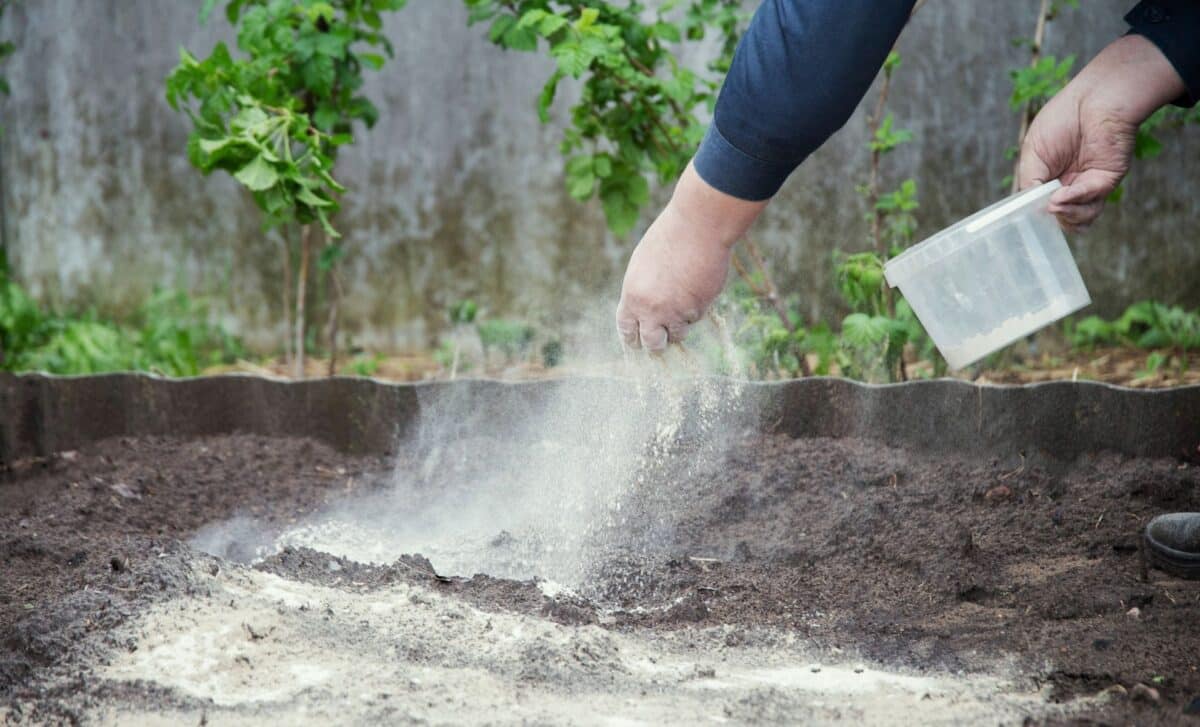
When it comes to gardening, some tips seem too simple to work. Yet, some methods truly help bring a tired lawn back to life after a long winter. One of these is using Epsom salt, a low-cost bath product that’s gaining popularity among gardeners. This magnesium sulfate could be the secret to a greener, denser lawn before the summer heat hits. But how exactly does this product work, and in what situations can it truly make a difference?
Why Is Epsom Salt So Effective for Your Lawn?
Epsom salt isn’t an exotic or mysterious gardening product. It’s simply magnesium sulfate, a mineral that has been used by gardeners for years. Magnesium is a key element in chlorophyll production, which allows grass to absorb light and produce energy. When soil lacks magnesium, the grass can turn yellow and its growth slows down. By adding magnesium through Epsom salt, you help your lawn turn green again and grow more quickly.
But Epsom salt doesn’t just improve the color of the grass. It also helps the roots better absorb other nutrients in the soil, such as nitrogen and phosphorus. This extra boost helps your lawn become denser and more resilient. It’s especially useful for sandy soils or lawns that have been leached by rainwater. However, if your soil is already rich in magnesium, adding more salt isn’t necessary and could even be counterproductive.
How to Naturally Get Rid of Fruit Flies in Your Kitchen (No Chemicals Needed)
How to Apply Epsom Salt to Your Lawn
Applying Epsom salt is relatively easy, but it’s important to do it carefully to avoid wasting the product or harming your lawn. The first rule is to avoid overdoing it. Typically, it’s recommended to use around 600 grams of Epsom salt for every 10 square meters of lawn, and to do this once a year, preferably at the start of spring, just before temperatures begin to rise. The goal is to provide an extra boost of magnesium to help the grass grow quickly and turn a healthy green.
It’s also important to distribute the salt evenly. The best way to do this is by applying it on a slightly damp lawn or just before it rains. This helps the salt dissolve and penetrate the soil. If you prefer a gentler approach, you can dissolve the salt in a watering can and apply it directly to the grass. Be careful not to use scented or colored bath salts, as these can contain ingredients that are harmful to your garden.
When Does Epsom Salt Become Useful for Your Garden?
Not everyone needs to use Epsom salt on their lawn. This trick is particularly helpful when your soil is lacking in magnesium. If you notice certain areas of your lawn turning yellow, despite regular watering and fertilizer use, your soil may be magnesium-deficient. This is often the case with sandy soils, older ones that have been exposed to difficult weather conditions, or areas where grass is struggling to grow, even with the best care. In these situations, adding Epsom salt can make a significant difference.
However, if your lawn is well-maintained with proper watering and regular fertilizer, there’s no need to resort to Epsom salt. Too much magnesium in the soil can lead to nutrient loss and even contaminate groundwater. Before using it, it’s a good idea to get a soil test to confirm whether magnesium is really needed.