Reusable water bottles have become an everyday essential. Whether at work, at the gym, or while traveling, they help people stay hydrated while reducing the use of single-use plastic bottles. Yet many people assume that a quick rinse is enough to keep their bottle clean. In reality, even a bottle used only for water can gradually accumulate residue and bacteria. Cleaning experts warn that poor maintenance can lead to unpleasant odors, hidden buildup, and even mold growth in some cases. The good news is that a few simple habits can help keep your bottle fresh and hygienic.
A Quick Rinse Isn’t Always Enough
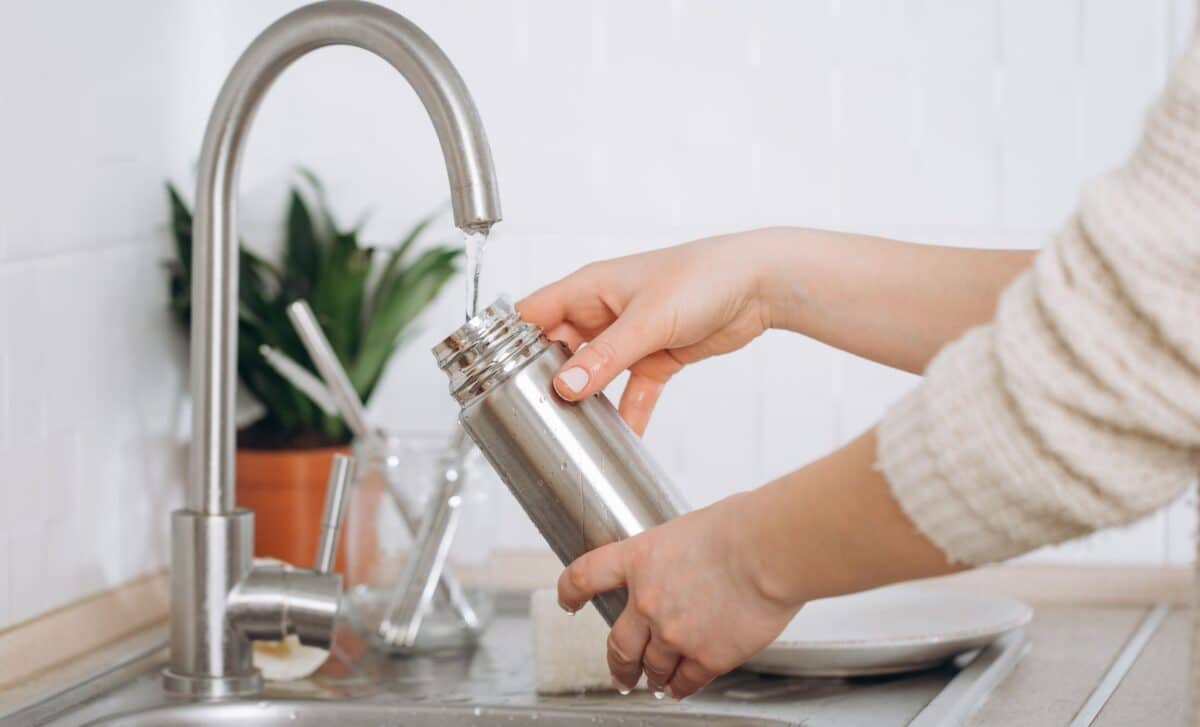
Many people simply rinse their water bottle with tap water before refilling it. While this removes some visible residue, it usually isn’t enough to properly clean the bottle. Even if you only drink water, traces of saliva, minerals, and biofilm can slowly build up on the interior surfaces.
The issue becomes even more significant when it is used for coffee, tea, sports drinks, electrolyte mixes, or protein shakes. These beverages can leave behind residue that promotes bacterial growth and causes lingering odors.
Stainless steel, the material used in many popular water bottles, is known for its durability and resistance to corrosion. However, that doesn’t mean it cleans itself. Experts recommend washing a reusable bottle daily with warm water and dish soap, even if it only contains water.
You Think You Know How to Cook Fries? Here’s the Step Almost Everyone Skips That Makes Them Perfect
The Lid Is Often the Dirtiest Part
When cleaning a water bottle, most people focus on the inside of the container. However, the lid is often the area that requires the most attention. Modern ones lids frequently include silicone gaskets, straws, and leak-proof mechanisms that can trap moisture. These small spaces create ideal conditions for bacteria and mold if they are not cleaned regularly.
Experts recommend removing any detachable parts and washing them separately with warm, soapy water. A small cleaning brush can help reach tight spaces where residue tends to accumulate.
The gasket deserves special attention. Often overlooked, it can retain moisture for days and become a source of unpleasant smells. Regular cleaning helps prevent this problem and can extend its lifespan.
Drying Matters Just as Much as Washing
Another common mistake happens after it has been cleaned. Many people immediately close the lid and put the bottle away. Trapped moisture creates an environment where odors and microorganisms can thrive.
To avoid this, experts recommend allowing the bottle to air dry completely before reassembling it. Accessories such as lids, straws, and gaskets should also be dried separately. While this step only takes a little extra time, it plays a major role in maintaining proper hygiene.
Cleaning specialists also recommend giving your bottle a deeper clean once or twice a week, especially if you use it every day. If it contains sugary drinks or protein-based beverages, it should be washed thoroughly immediately after use.