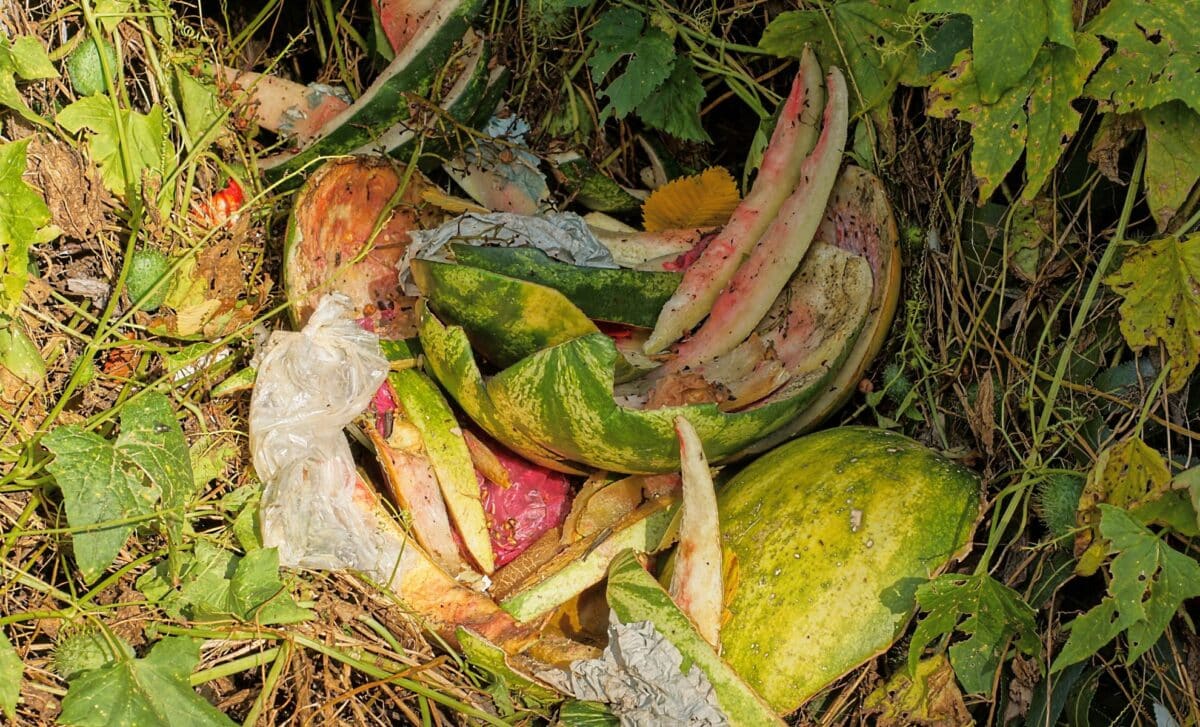
Most people do the same thing after finishing a watermelon. They enjoy the juicy fruit, then toss the rind into the trash without thinking twice about it. After all, it seems like there’s not much else you can do with it. But gardeners are starting to see watermelon rinds differently.
Instead of treating them as waste, many are finding simple ways to put them to work in the garden. As more people look for easy ways to reduce waste and make the most of what they already have, this unexpected gardening trick is gaining attention.
The best part is that it doesn’t require any special tools, products, or gardening experience. Something that usually gets thrown away could actually help support a healthier garden.
A Kitchen Scrap That’s More Useful Than It Looks
Watermelon rinds might not seem like anything special, but they’re packed with water and contain nutrients that can still benefit the soil. Once they start breaking down, they release small amounts of minerals such as potassium, phosphorus, and magnesium.
These nutrients can help replenish the soil, especially toward the end of summer when garden beds have been working hard all season long. While watermelon rinds aren’t a miracle fertilizer, they can contribute to a healthier growing environment over time.
For many gardeners, the appeal is also about reducing waste. Instead of sending food scraps straight to the garbage, they’re finding practical ways to reuse them outdoors. It’s a simple habit that fits perfectly with the growing interest in sustainable gardening.
Because watermelon is so popular during the warmer months, there’s often no shortage of rinds available. Rather than seeing them as leftovers, gardeners are beginning to view them as another useful resource.
The Exact Number of Walnuts You Should Eat Each Day to Lower Bad Cholesterol
A Simple Trick To Help Your Soil Stay Cool
One of the easiest ways to use watermelon rinds is as mulch. After cutting them into smaller pieces, gardeners spread them around plants, vegetable beds, or empty garden spaces.
This layer helps cover the soil and slow down moisture loss during hot weather. That’s especially useful during dry spells when keeping water in the ground becomes more challenging.
Many gardeners mix the rind pieces with dried leaves, straw, or other organic materials. This helps everything break down more evenly and prevents the surface from becoming too wet. As the rinds decompose, they gradually become part of the soil. Instead of creating waste, they return organic matter to the garden while helping protect the ground from intense summer heat.
Why Soil Creatures Love This Simple Change
Healthy gardens depend on more than just plants. Beneath the surface, earthworms, beneficial bacteria, and other microorganisms are constantly working to keep the soil in good condition.
Watermelon rinds provide food for many of these organisms as they break down. Their activity helps improve soil structure and supports the natural processes that plants rely on to grow.
The rinds can also be added to a compost pile, where they’ll break down alongside other food scraps and yard waste. Over time, they become part of a nutrient-rich compost that can be used throughout the garden.