Epsom salt has been a household favorite for years. Chances are you’ve seen it recommended for everything from soothing sore muscles to growing bigger tomatoes and keeping pests away. Scroll through social media and you’ll find no shortage of “life-changing” Epsom salt hacks that promise impressive results with very little effort.
But does this inexpensive product really deserve its miracle-worker reputation? Not always. While Epsom salt does have a few genuinely useful applications, many of the claims surrounding it simply don’t stand up to scrutiny. Before tossing it into your garden or adding it to every DIY cleaning recipe you come across, it’s worth knowing what it can actually do…and what it can’t.
The Epsom Salt Uses That Are Worth Trying
The most popular use for Epsom salt is still the classic post-workout bath. Epsom salt is made of magnesium sulfate, and magnesium plays an important role in muscle function and recovery. A 2024 study suggests that magnesium soaks may help reduce muscle soreness after exercise, which explains why many people reach for it after a tough workout or a long day on their feet.
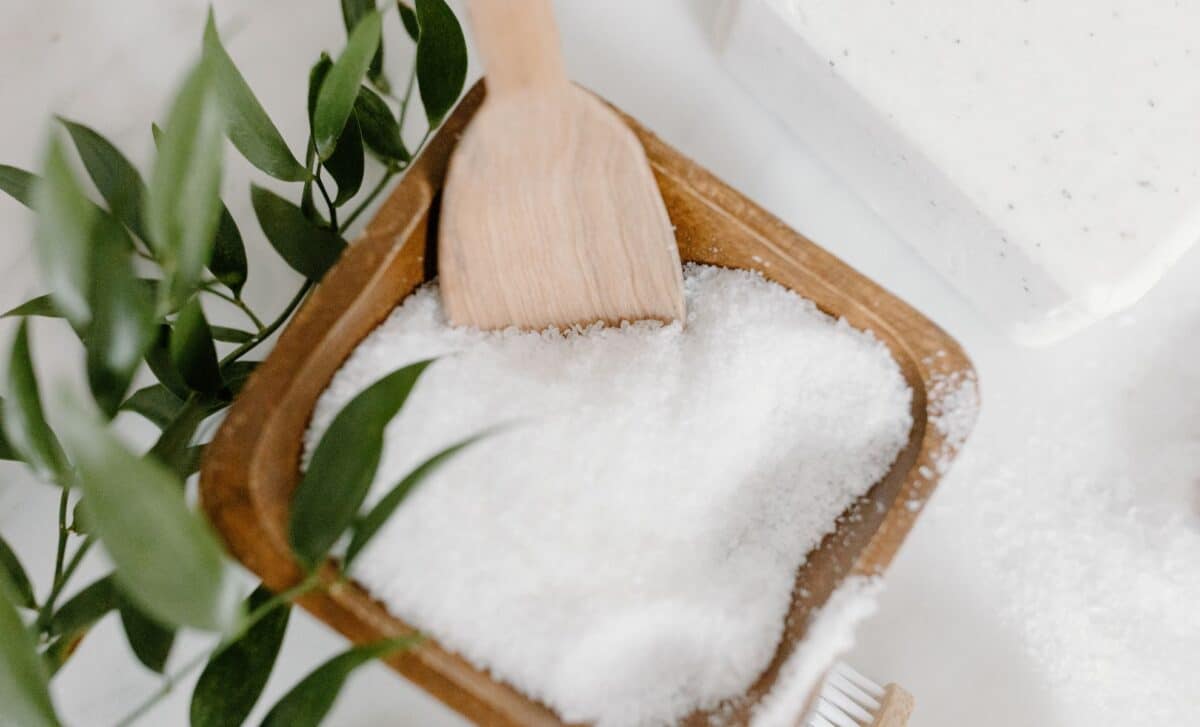
Epsom salt is also surprisingly handy when it comes to cleaning. Because the crystals are coarse without being overly harsh, they work well as a gentle scrubbing agent. Mixed with a little dish soap, it can help remove baked-on food from cookware, tackle soap scum in the bathroom, and freshen up outdoor furniture that has collected dirt and grime over time.
It can also be useful as a simple skin exfoliator. The grainy texture helps remove dead skin cells, leaving rough areas like feet, elbows, and hands feeling smoother. Many people mix it with coconut oil or olive oil to create an easy homemade scrub that costs far less than store-bought alternatives.
Runny Sauce? These Simple Chef-Approved Tricks Will Help You Thicken It Like a Pro Every Single Time
The Gardening Advice You Can Probably Ignore
If there’s one place where Epsom salt has gained a near-magical reputation, it’s the garden. Online gardening groups often recommend it as a way to grow larger vegetables, boost flower production, and improve overall plant health.
The problem is that Epsom salt only provides magnesium and sulfur. Plants also need nutrients like nitrogen, phosphorus, and potassium to thrive, and Epsom salt contains none of those. For most gardens, adding it routinely offers little benefit because the soil already contains enough magnesium.
One of the most common myths involves blossom-end rot, the dark spot that can appear on tomatoes and peppers. Many gardeners are told to add Epsom salt to fix the issue. In reality, blossom-end rot is usually linked to calcium uptake problems, often caused by inconsistent watering. Adding extra magnesium may actually make it harder for plants to absorb calcium.
Researchers at Washington State University Extension said that it can repel slugs, insects, or other pests aren’t supported by research either. In some cases, spraying it directly onto leaves can even damage the plant itself.
A Few Popular Hacks That Don’t Really Work
Some Epsom salt tips sound great in theory but fall apart in practice. Using it as a disinfectant is one example. Epsom salt doesn’t kill bacteria, viruses, or fungi, so it can’t replace products designed for sanitizing surfaces.
The same goes for homemade weed killers made with Epsom salt, vinegar, and dish soap. While these mixtures may damage certain weeds, they’re often inconsistent and can affect surrounding soil if used heavily.
Another recurring winter tip suggests sprinkling Epsom salt on icy driveways and sidewalks. While it can slightly lower water’s freezing point, it’s much less effective than traditional de-icing products. If safety is the goal, products specifically designed to melt ice will do a much better job.