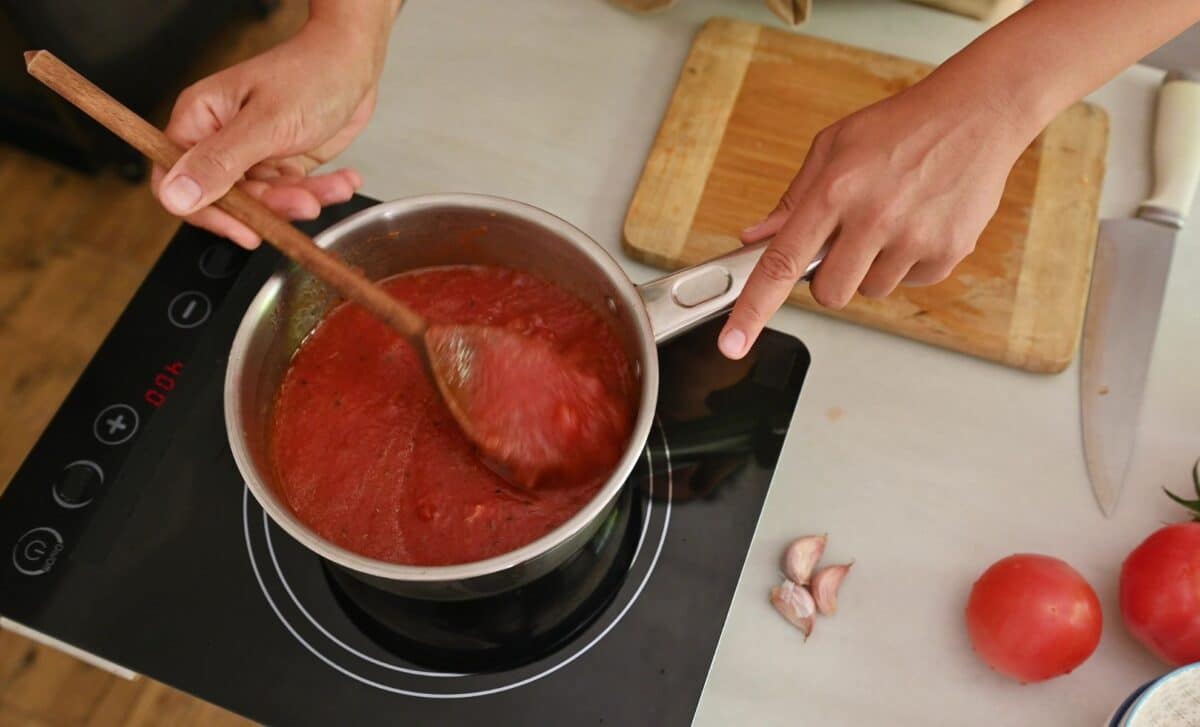
Few things are more frustrating than spending time on a meal only to end up with a sauce that’s way too thin. Whether it’s a pasta sauce, a gravy, a stew, or a pan sauce for meat, the texture can make a huge difference. A rich, silky sauce brings everything together, while a watery one can leave a dish feeling unfinished.
The good news is that fixing a runny sauce is usually much easier than most people think. In many cases, you don’t need fancy ingredients or complicated cooking skills. A few simple adjustments can quickly turn a thin sauce into one that coats food beautifully and tastes even better.
Don’t Reach for a Thickener Right Away
When a sauce looks too thin, the first instinct is often to add flour, cornstarch, or cream. But before doing that, it’s worth giving the mixture a little more time. One of the most common reasons a sauce ends up watery is simply because it hasn’t reduced enough. As it simmers, excess liquid evaporates and the flavors become more concentrated. Sometimes, letting the sauce cook uncovered for a few extra minutes is all it takes to get a thicker consistency.
Using a wider pan can also help speed things up. More surface area means faster evaporation, which means a thicker sauce in less time. It’s a small detail, but it can make a noticeable difference.
The best part about reducing a sauce is that it improves the flavor at the same time. Instead of diluting the taste with extra ingredients, you’re making the existing flavors stronger and richer.
This Simple Japanese Innovation Is Convincing More People to Use Less Toilet Paper
The Quick Fixes That Actually Work
If you’re in a hurry or the sauce still isn’t thick enough after reducing, there are several easy solutions. Cornstarch is one of the most popular options because it works fast. Simply mix a small amount with cold water before stirring it into the sauce. Within a minute or two, you’ll usually notice a big difference.
Another classic trick is adding a little butter mixed with flour, a method known in French cooking as beurre manié. It thickens the sauce while keeping it smooth and glossy. For cream-based dishes, adding a spoonful of cream, mascarpone, or even a bit of grated cheese can help create a richer texture. These ingredients add body while making the sauce feel more indulgent.
Egg yolks are another option for certain recipes. They create an incredibly silky texture, especially in creamy sauces, but they need to be added carefully to avoid scrambling.
The Mistakes That Can Make Things Worse
Sometimes the problem isn’t the sauce itself, it’s how it’s being fixed. One of the biggest mistakes is adding cornstarch directly into a hot sauce. This often creates lumps instead of a smooth texture. Mixing it with cold water first helps avoid that issue completely.
High heat can also cause problems, especially when using dairy products. Cream and cheese can separate if the temperature gets too high, leaving the sauce looking grainy or oily. The same goes for egg yolks. Once they’re added, the sauce should stay below a boil. Too much heat can quickly ruin the smooth texture you’re trying to create.
Another common mistake is overcorrecting. Adding too much flour, cornstarch, or cream at once can leave the sauce thick and heavy. It’s always better to make small adjustments and check the texture as you go.