Many people have been sharing a simple and effective trick to reduce humidity and condensation in homes: placing a metal spoon on the window. Although it may sound odd, this method is based on a physical principle that can help reduce moisture buildup on your windows and prevent issues like mold. But how does it work, and why is it recommended?
Why Place a Spoon on the Window?
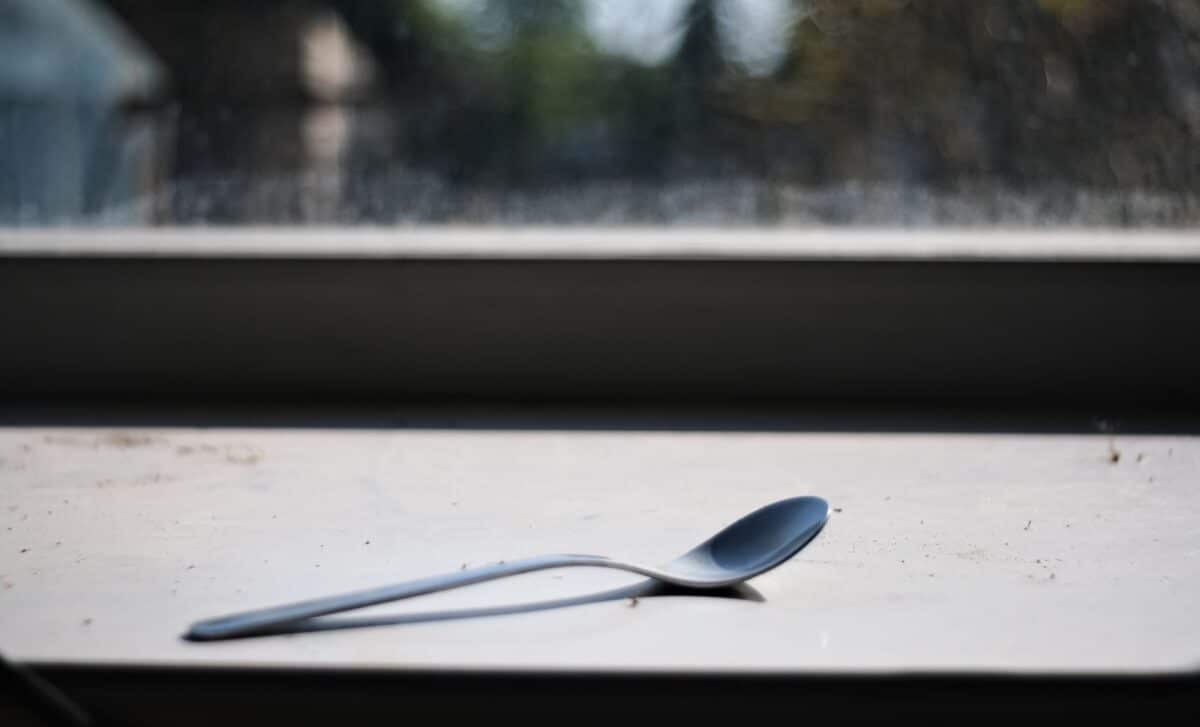
The trick involves placing a metal spoon, preferably stainless steel, on the window frame. The spoon should be positioned with its concave side facing outward and the handle facing inward. This setup works because metal is a good conductor of heat, meaning it cools down faster than the glass of the window when exposed to humid air.
When the warm, humid air inside the house touches the cold spoon, the moisture in the air condenses on the spoon instead of the window. The condensation forms droplets on the spoon, which then fall outside, keeping the window dry and reducing the chance of mold forming on the window frame or glass.
Throwing Potato Skins on the Grill: When and Why to Do It
Why Does This Work?
The principle behind this method is simple physics. When humid air comes into contact with a cold surface like glass, the water vapor in the air condenses and forms water droplets. Since the spoon is made of metal and has higher thermal conductivity than the glass, it cools more quickly. This makes it more likely for the moisture in the air to condense on the spoon rather than the window, preventing the buildup of water on the glass.
While this technique won’t eliminate all humidity, it can help reduce the moisture that leads to window condensation. This simple method can be a great support in particularly humid conditions and can help protect your home from the potential damage caused by excess moisture.
Other Tips to Combat Humidity
Although the spoon trick can be useful, it’s important to combine it with other methods to effectively manage humidity in your home. Regular ventilation is key. Opening the windows daily for at least 10 minutes helps renew the air inside, allowing excess moisture to escape, especially after cooking or showering.
Using a dehumidifier is another effective method. These devices extract moisture from the air and help maintain optimal humidity levels, typically between 40% and 60%. This range is ideal for preventing mold and mildew growth.
You can also add plants that absorb moisture, like bamboo, ivy, or pothos. These plants not only help with humidity but also improve air quality.