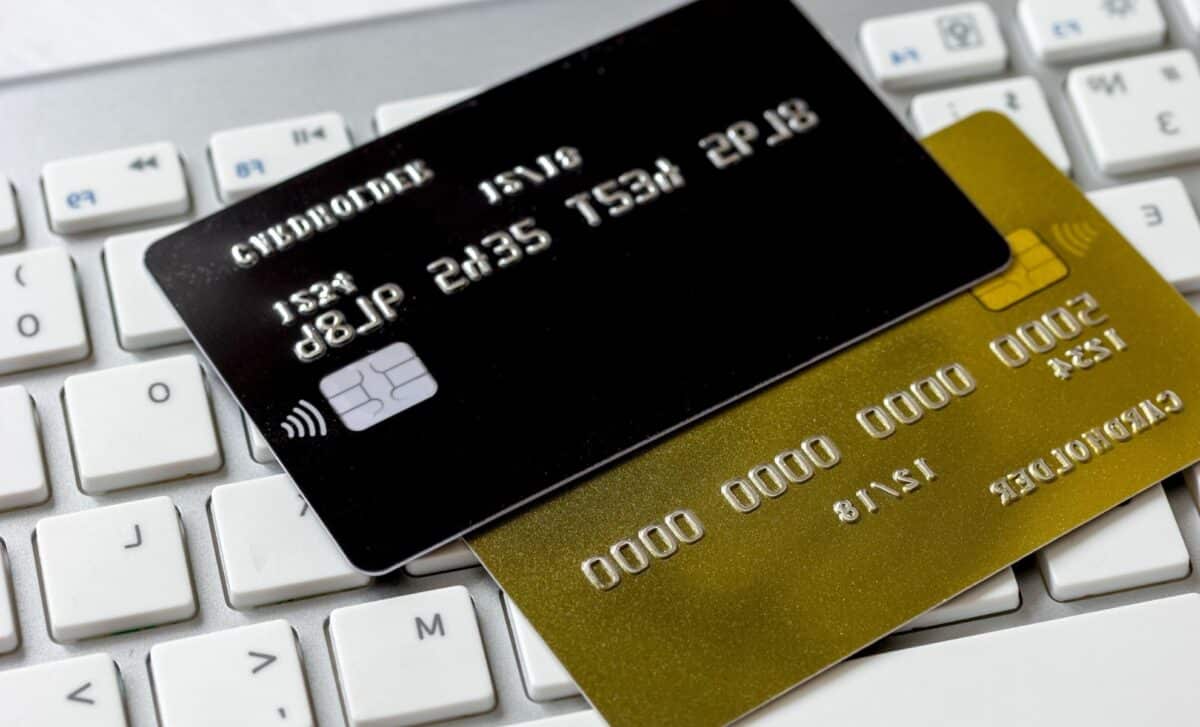
On the subway, at a café, or standing in line, contactless payment has become second nature. It is fast, convenient, and almost effortless. But behind that ease, a small concern has started to grow. Can someone actually scan your card without you noticing?
The question comes up more often in crowded places where people are close together. In the middle of that concern, a surprisingly simple trick is making the rounds. No tech, no apps, just something most people already have at home.
The Easy Method To Block Contactless Communication
Wrapping a bank card in aluminum foil might look a bit improvised, but the logic is solid. Aluminum blocks electromagnetic waves, which are exactly what contactless cards use through NFC and RFID technology. If the card is fully covered, it cannot communicate with a reader.
This is based on the concept of a Faraday cage, something used in many technical fields. Here, it becomes a simple version anyone can use. No need to buy anything or understand complex systems. It takes only a few seconds and can add a layer of reassurance, especially in busy environments.
That simplicity is a big part of why the trick is popular. It feels practical and immediate. You do not need to rely only on invisible systems. You are physically doing something to protect your card. It still needs to be done properly. If the foil is loose, torn, or does not fully cover the card, the protection becomes weaker.
Bananas Seem Harmless… Until You See What They Do to Your Blood Sugar
Is Contactless Fraud Really Something To Worry About?
The idea of someone secretly scanning your card in public can sound alarming. And yes, technically, it is possible. But in reality, it is not very common and comes with limits.
Bank cards already include several layers of security. Contactless payments are capped, transactions are monitored, and unusual activity is quickly flagged. The data that can be read through contactless is also limited, which reduces what someone can actually do with it.
So while the risk exists, it is often overstated. A big part of the concern comes from the fact that the technology is invisible. You cannot see or feel it, which naturally creates doubt.
This is where aluminum foil comes in. Even if the actual risk is low, the action feels concrete. It gives a sense of control, and for many people, that matters more than the technical details.
Handy Trick or Outdated Solution?
Aluminum foil can help, but it is not the most practical option for everyday use. It tears easily, wears out quickly, and is not very convenient when you need to use your card several times a day. There are more polished alternatives, such as RFID blocking wallets or sleeves. They offer the same kind of protection but are designed to last longer and be easier to use.
It’s also good to keep in mind that banks already have solid protections in place. Real-time alerts, quick card blocking, and refunds in case of fraud help limit the damage if something goes wrong.