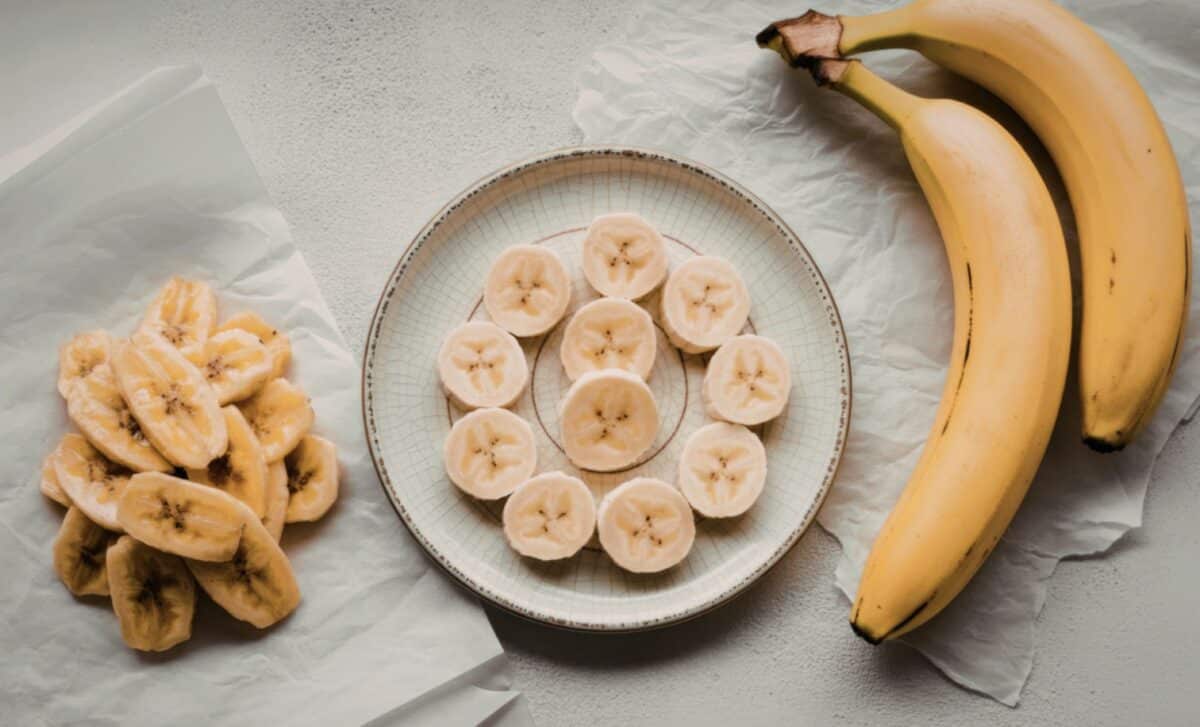
Bananas are a go-to snack for athletes, busy students, and anyone trying to eat healthier. They’re quick, affordable, and packed with nutrients. But behind their wholesome image, one question keeps popping up: what do bananas really do to your blood sugar?
A nutritional powerhouse that fits modern lifestyles
It’s easy to see why bananas have become a staple in health and fitness routines. As reported by Healthline, they’re rich in potassium, which supports muscle function and helps prevent cramps, especially after workouts. Add to that a solid dose of vitamin B6 and fiber, and you’ve got a fruit that checks many boxes for balanced nutrition.
In today’s fast-paced world, bananas require no prep, no packaging, and can be eaten anywhere. That’s part of their appeal. Still, their carbohydrate content is what makes them both energizing and, for some, a bit controversial.
Before You Try Anything Else, See How This Vinegar Trick Could Help Keep Moles Away
The Sugar Question: Friend Or Foe?
Bananas naturally contain glucose, fructose, and sucrose; three types of sugars that directly impact blood glucose levels. When you eat a banana, your body quickly converts these sugars into energy. That’s why they’re often recommended before or after exercise.
But here’s where things get interesting: not all bananas affect your body the same way. Their impact on glycemia depends largely on one factor most people overlook: their ripeness.
Unripe or Ripe? The Choice That Affects More Than Taste
A slightly green banana and a fully ripe one might taste different, but inside your body, the difference goes even further.
Unripe bananas are higher in resistant starch, a type of carbohydrate that digests slowly. This leads to a more gradual release of sugar into the bloodstream, helping avoid sharp spikes in blood sugar. For people trying to maintain steady energy levels this is a smart choice.
On the flip side, ripe bananas contain more simple sugars because their starch has already broken down. They’re sweeter, softer, and easier to digest, which also means they can raise blood sugar more quickly.
When and What You Pair?
Eating a banana on its own isn’t the same as combining it with other foods. Pairing bananas with protein or healthy fats, like peanut butter, yogurt, or a handful of nuts, can slow down sugar absorption. This helps keep your energy stable and prevents that mid-afternoon crash many people experience.
Timing matters too. Before a workout, a ripe banana can give you fast fuel. After exercise, it helps replenish glycogen stores. During a sedentary day, choosing a less ripe banana might be a better fit if you’re watching your blood sugar levels.
Should Bananas Be Part Of Your Routine?
For most people, the answer is yes. Bananas are far from being a “bad” food. They’re versatile, nutrient-dense, and adaptable to different lifestyles. The key lies in awareness. Understanding how ripeness, portion size, and food combinations influence your body allows you to make smarter choices without cutting out foods you enjoy.