When it comes to fresh air in your home, most people think about cleanliness and organization. But one often overlooked detail that affects indoor air quality is your curtains. They may look clean, yet they can accumulate dust, grease, allergens, and odors without you ever realizing it.
They act as filters, trapping these particles and then releasing them back into the air every time there’s a draft. So even though your home may look clean, the air could be polluted, all because of this invisible build-up.
How to Know if the Air is Already Compromised?
There are simple tests to check if your home’s air quality is affected by dirty curtains. First, try running your hand over your curtains, especially near the bottom or the top where they hang. If you feel a rough texture or a greasy film, it’s likely that your curtains have trapped more than just dust.
Another test is to smell them. If they release persistent odors, like cooking smells or humidity, it means they’re letting out the odors they’ve absorbed. Also you can place the curtains in front of a light source. If you see a grayish haze or dull spots, it indicates that the fabric is saturated with particles.
This Simple Japanese Method Makes Wrinkled Curtains Look Brand New
Breathe Better by Cleaning Your Curtains
There are simple solutions to clean your curtains and improve your indoor air quality. Before washing them, start by dusting them off with a vacuum cleaner and a soft brush. Be careful not to shake the curtains violently, as that would send the dust flying back into the air.
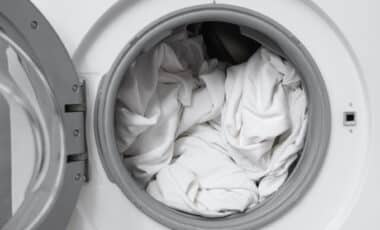
After that, wash them according to the instructions on the label, making sure to choose the right settings for the fabric. To remove odors, you can add 150 ml of white vinegar in the fabric softener compartment and 10 g of baking soda in the drum to treat greasy films.
One key step is drying the window coverings properly. Don’t hang them back up while they’re still damp, as this could trap odors and cause wrinkles. It’s best to let them dry completely in the open air before rehanging them.
A Simple Routine to Keep Your Curtains Clean Longer
You don’t need to wash them every time. A light but regular routine works better than deep cleaning every few months. Kitchen curtains, which are exposed to grease, should be washed more often. In other rooms, more moderate care is sufficient as long as your home is well ventilated.
If you have pets or windows facing outside, more frequent cleaning will help limit the buildup of allergens. And don’t underestimate the power of simple air circulation, just opening your windows for a few minutes each day helps renew the air and clear out dust.