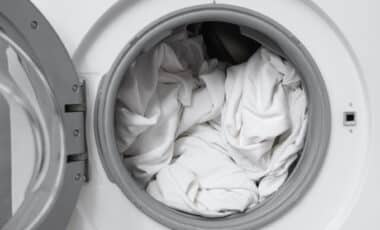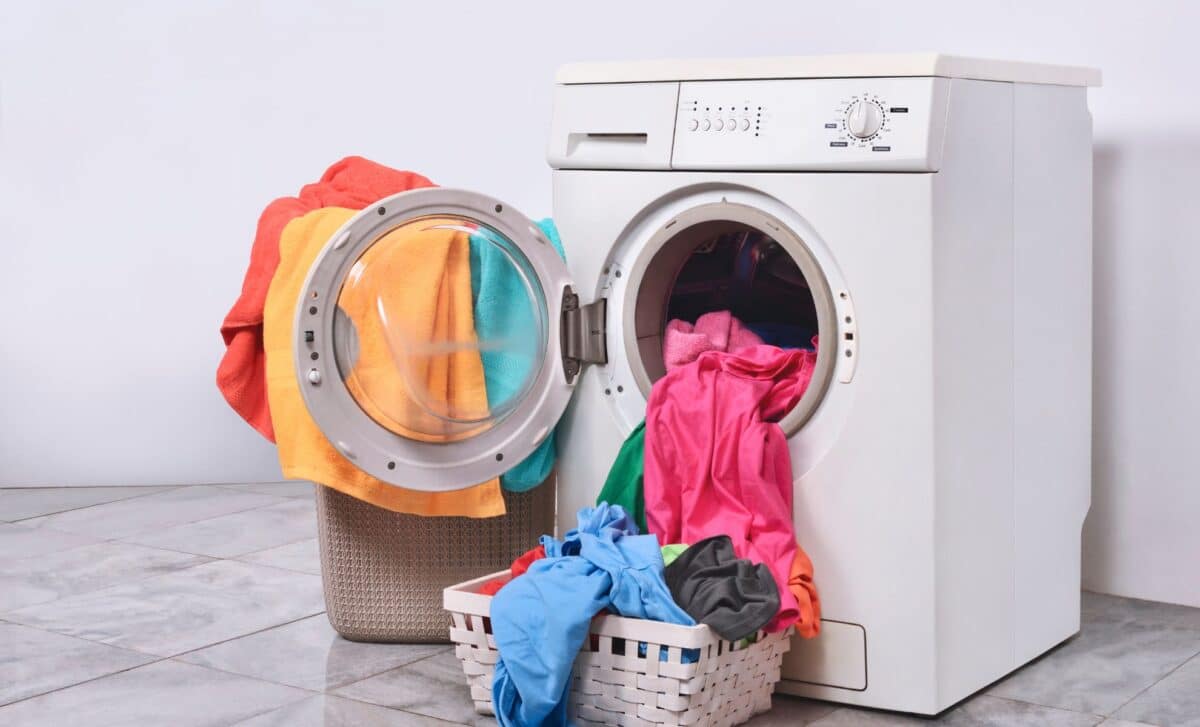
The washing machine is one of the most frequently used appliances in modern homes. Yet many people forget that it also needs regular cleaning. Over time, detergent residue, moisture, dirt, and lint build up inside the drum, filters, and rubber seals. This buildup can lead to unpleasant odors, mold growth, and even costly mechanical problems. Manufacturers regularly remind consumers that proper maintenance helps preserve washing performance and extend the appliance’s lifespan.
Why Your Washing Machine Needs Regular Cleaning
Many users assume that because a washing machine constantly uses water and soap, it naturally stays clean. In reality, every cycle leaves behind small amounts of detergent, fabric softener, body oils, and debris. Moisture trapped inside the machine creates the perfect environment for bacteria and mold to develop, especially around the door seal and detergent drawer.
As residue accumulates, the machine may begin to produce unpleasant smells. Clothes can come out of the wash feeling less fresh or even carrying a musty odor. In some cases, detergent deposits clog the drainage system, causing slower cycles or poor rinsing performance.
Manufacturers also point out that a dirty machine may consume more energy. Internal buildup forces the appliance to work harder to heat water and pump it efficiently. Over time, this additional strain can wear down internal components and increase the risk of breakdowns.
Boiling Lemon Peels With Ginger And Cinnamon: Why Everyone Is Trying This Simple Home Trick
The Most Important Parts to Clean
Experts generally recommend cleaning the laundry washer at least once a month, especially in households where it is used frequently. Some areas require more attention than others. The detergent drawer is one of the first places where residue accumulates. Leftover detergent and fabric softener can harden over time and encourage mold growth. Manufacturers advise removing the drawer and soaking it in warm water withdish soap or white vinegar. A small brush can help remove stubborn buildup.
The drain filter, usually located near the bottom front of the machine, should also be checked regularly. Lint, hair, coins, and other small objects can block the filter and affect water drainage. Cleaning it under running water helps maintain proper performance.
The washing drum itself also requires maintenance. Many manufacturers recommend running an empty hot-water cycle with white vinegar or baking soda to remove odors and internal residue. Some modern machines include a dedicated cleaning program designed specifically for this purpose.
The rubber door seal is another critical area. Moisture often collects inside the folds of the seal, creating ideal conditions for mold and bacteria. Wiping it regularly with warm soapy water helps keep it clean and odor-free.
Leaving the washing machine door open after each cycle also allows moisture to escape and reduces the risk of mold formation.
Common Mistakes That Can Damage the Machine
Several everyday habits can shorten the lifespan of a washing machine. One of the most common mistakes is using too much detergent. Excess soap does not make clothes cleaner; instead, it leaves more residue inside the machine and contributes to clogging. Manufacturers also warn against overusing bleach. While bleach can occasionally disinfect the machine, repeated use may damage internal parts and rubber components over time.
Poor ventilation is another frequent issue. Closing the machine door immediately after washing traps humidity inside the drum and encourages mold growth. Keeping the door slightly open for a few hours after each cycle can significantly reduce moisture buildup. Front-loading machines usually require extra attention around the rubber seal, while top-loading models benefit from regular hot-water cleaning cycles to remove hidden residue.
Simple maintenance habits can make a major difference in the long-term performance of a the clothes washer. Regular cleaning not only improves hygiene and washing efficiency but also helps avoid unnecessary repair costs and extends the life of the appliance.