Garden hacks are everywhere online, and one of the most popular is surprisingly simple: don’t throw away your banana peels. Instead, bury them in your garden or flower pots. Some people swear this trick helps plants grow faster, produce more flowers, or stay healthier. Others say it’s just another gardening myth. So, what’s the truth?
The answer is somewhere in between. Banana peels do contain nutrients that plants need, but they don’t work like an instant fertilizer. Their benefits depend on how they’re used and what your plants actually need. If you’re looking for an easy way to reduce food waste while giving your garden a little boost, this trick is worth a closer look.
There’s More to a Banana Peel Than You Might Think
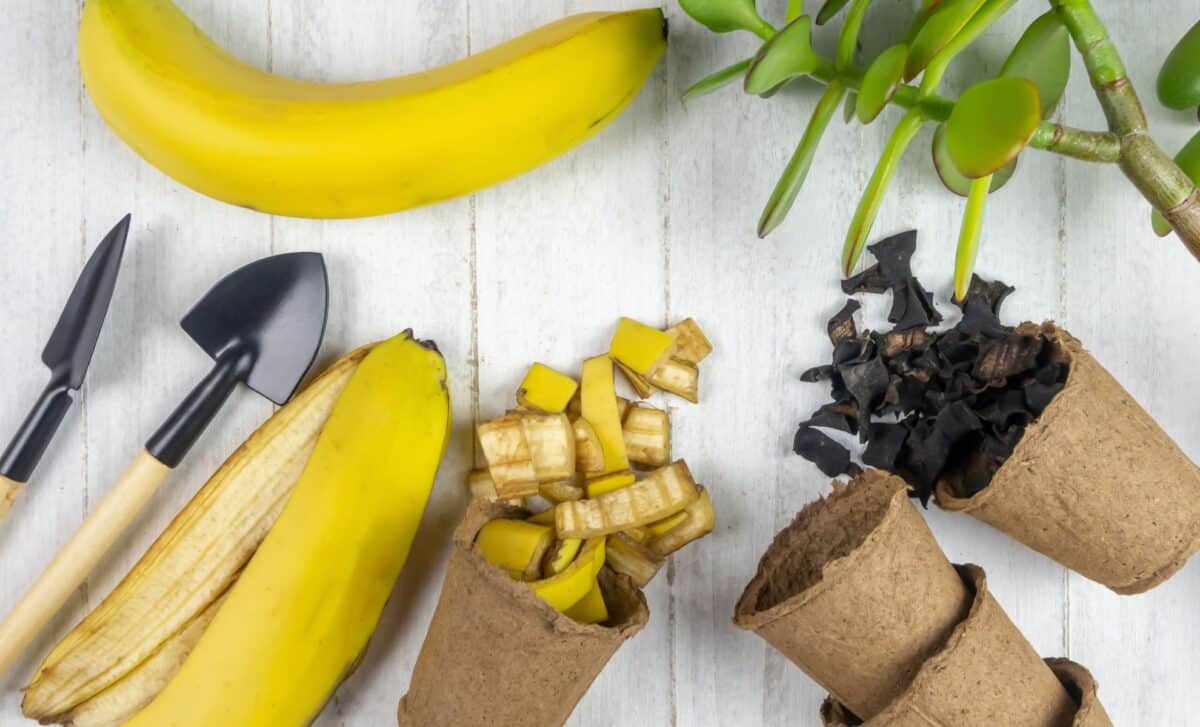
As stated in a study, banana peels are packed with nutrients like potassium, magnesium, phosphorus, and small amounts of calcium. These minerals support healthy plant growth, especially when it comes to flowers and fruit. The catch is that plants can’t use those nutrients right away. The peel has to break down first, and that takes time.
That’s why many gardeners prefer adding banana peels to their compost instead of burying them whole. Once composted, the nutrients are released more evenly and help create healthier soil overall. Some people also chop the skins into small pieces before mixing them into the soil to speed up the process.
Using banana peels won’t transform your garden overnight, but it’s a simple way to recycle kitchen scraps instead of throwing them away. If you’re already composting, they’re a great addition. If not, they’re an easy first step toward a more sustainable way of gardening.
The Skincare Routine Everyone Loves Could Be Secretly Damaging Your Skin Without You Knowing It
A Handy Garden Trick, Not a Miracle Fix
As tempting as it sounds, banana peels aren’t a magic solution for every plant. Burying a whole peel can sometimes attract insects or curious animals, and it may take weeks before it fully breaks down. In some cases, it can even lead to mold if the conditions are too damp.
Healthy plants need much more than just potassium. Good soil, regular watering, enough sunlight, and the right care all play a much bigger role. They are best seen as a helpful extra rather than a replacement for proper gardening.
If you want to try this tip, composting is usually your safest bet. It’s easy, reduces food waste, and gives your plants a slow, natural source of nutrients. It may not be the gardening secret the internet makes it out to be, but it’s still a smart habit that’s worth adding to your routine.