Every summer, air conditioners run almost nonstop to keep homes cool. But there is a side effect most people barely notice: water dripping out of the unit. It usually goes straight down a drain or outside without anyone thinking twice about it. This water comes from a very simple process, warm, humid indoor air hitting cold parts inside the AC and turning into liquid. And when it is really hot, the amount can add up fast.
Where This Water Actually Comes From
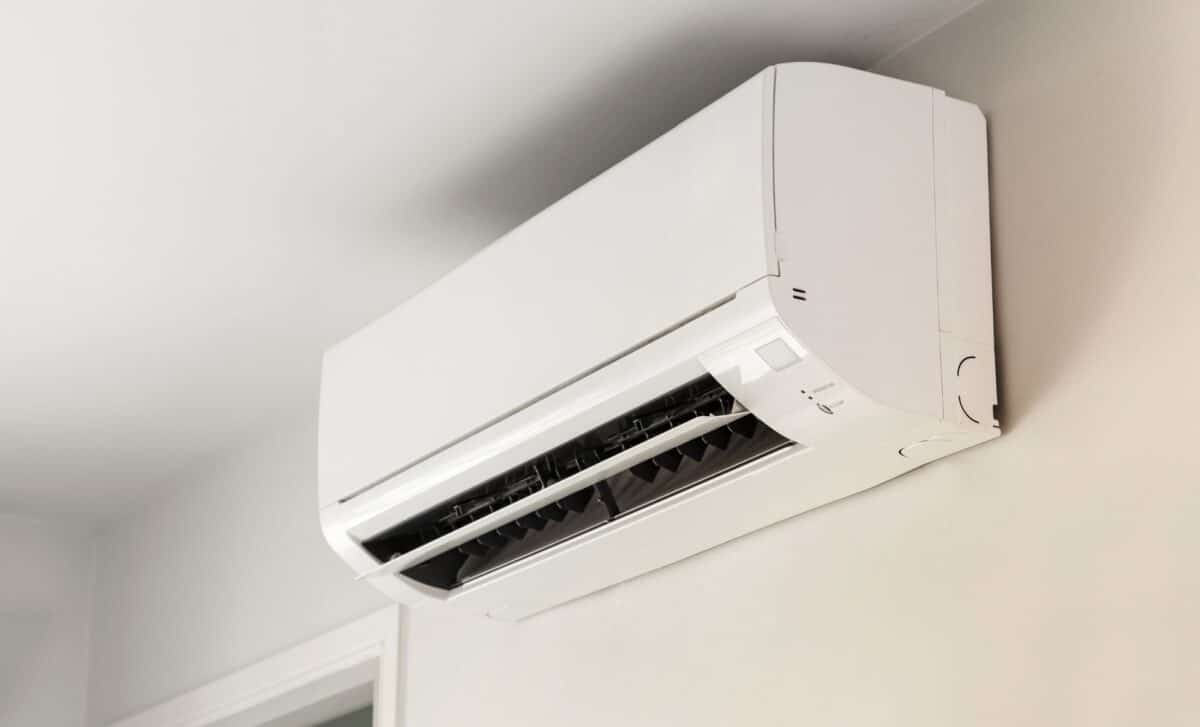
The water you see coming out of an air conditioner is just moisture pulled from the air in your home. When that warm air passes over the cold coils inside the unit, the humidity condenses and turns into droplets. Those droplets collect and eventually flow out as a steady trickle.
It’s important to understand this isn’t tap water. It doesn’t come from the drinking supply and it isn’t treated. It’s basically “air water,” and its quality depends on two main things: how clean the air is in the room and how well the air conditioner is maintained. A clean unit produces cleaner water, while a dusty or poorly maintained one can mix in particles from filters or the environment.
In most homes, this water is just sent away automatically through a pipe. No one really uses it, even though it can add up to a surprising amount over time.
Mosquitoes Seem to Stay Away From This Dermatologist, and Her 4-Part Night Routine Could Be the Reason
Simple Ways It Can Actually Be Used
This water is not safe to drink or cook with, and that’s a clear limit. But outside of that, it can still be useful in everyday life. One of the easiest uses is watering decorative plants. Since the water is usually low in minerals, many plants can handle it well, as long as the AC unit is clean.
It can also be used for basic cleaning tasks like mopping floors, washing outdoor areas, cleaning windows, or rinsing patios. These are all jobs where using drinking water isn’t really necessary anyway.
The nice thing is that it’s basically free and automatic. If the air conditioner is running, the water is being produced anyway. So instead of letting it go straight to waste, it can be collected and reused for small chores around the house.
Why It Becomes More Interesting In Hot Weather
When temperatures go up, air conditioners work harder and run longer. That means more condensation, and sometimes a lot more than people expect. On very hot and humid days, it can easily reach several liters in just one day.
That’s when it starts to feel more useful. Without changing anything in daily routines, this water can be collected and used for simple tasks instead of using treated tap water. Of course, it still depends on maintenance. A clean air conditioner makes cleaner condensation, while a neglected one can affect quality.