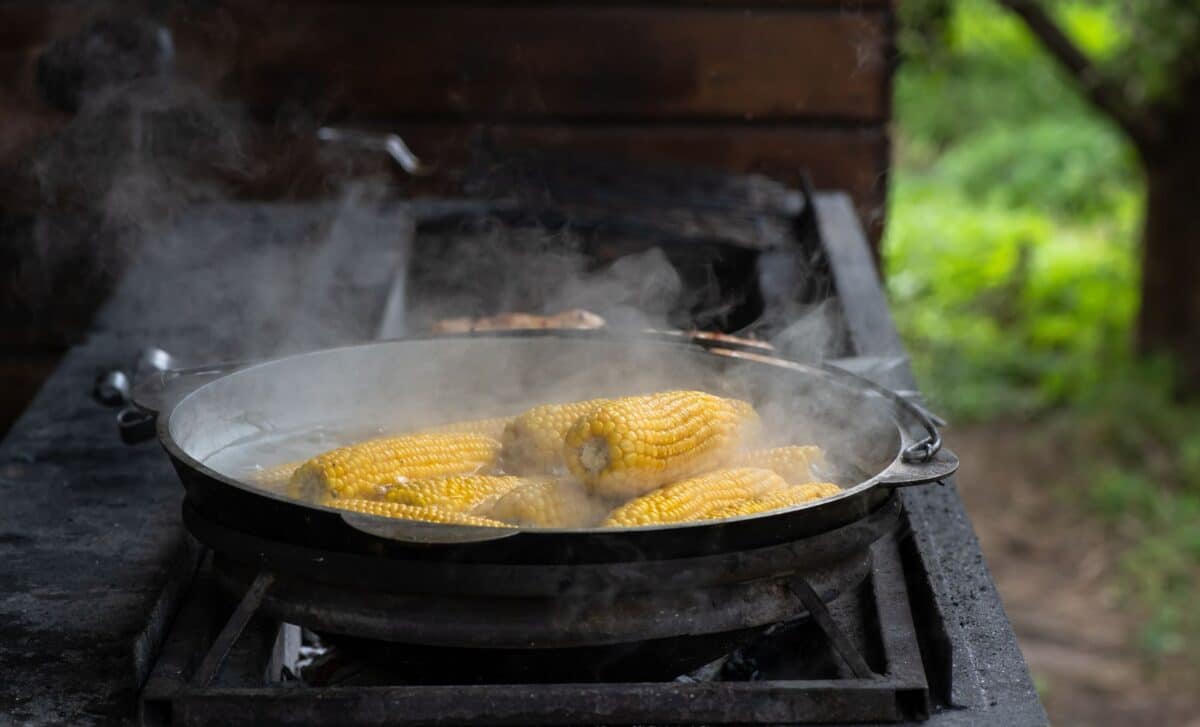
Corn is one of those foods almost everyone has cooked the same way for years. A pot of boiling water, a few minutes of cooking, and it’s ready to eat. Simple enough. But what many people don’t realize is that this classic method may not be the best way to get the most out of corn.
While boiling certainly works, it can affect both the texture and some of the nutrients naturally found in the kernels. That’s why more food experts are recommending other cooking methods that help corn keep more of its flavor, texture and nutritional value.
The Corn-Cooking Mistake Many People Still Make
Boiling corn has been a kitchen staple for generations. It’s quick, easy and doesn’t require any special equipment. But when corn sits in hot water, some of its nutrients can end up in the cooking liquid rather than staying in the food.
This mainly affects water-soluble vitamins, including vitamin C and certain B vitamins. While it still remains nutritious after boiling, it may not retain as much of its original nutritional value as it would with other cooking methods.
According to Pennsylvania State University, taste and texture can also be affected by the way it is cooked. Fresh one has naturally sweet, juicy kernels with a slight crunch. Leave it in boiling water for too long and that texture can become softer than intended.
The flavor may also lose some of its freshness. Many people assume that longer cooking times make it better, but that’s not really the case.
Adding Vinegar to Your Chicken While Cooking Might Completely Change the Way It Turns Out and Most People Have No Idea Why It Works
The Cooking Methods Getting More Attention
If you’re looking for a simple upgrade, steaming is often considered one of the best options. Because the corn isn’t sitting directly in water, more nutrients stay where they belong. Steamed corn also tends to keep its natural sweetness and firm texture.
Roasting is another great alternative. Cooking it in the oven brings out its natural sugars, giving it a richer flavor without much effort. It’s an easy option when preparing several ears at once.
Then there’s grilling, which is especially popular during the warmer months. The heat adds a slightly smoky flavor while keeping the kernels tender and juicy. For many people, grilled corn simply tastes better than boiled one.
Why Corn Is a Good Source of Essential Nutrients
Corn is often treated as a simple side dish, but it actually contains a variety of nutrients. As noted by Medical News Today, corn provides carbohydrates for energy and fiber, which can support digestion and help you feel full for longer.
It also contains several vitamins, including vitamin C and B vitamins such as thiamine and folate. These nutrients help support normal body functions and energy production. Corn is also a source of antioxidants like lutein and zeaxanthin, which are linked to eye health. On top of that, it contains minerals such as magnesium, phosphorus and potassium.