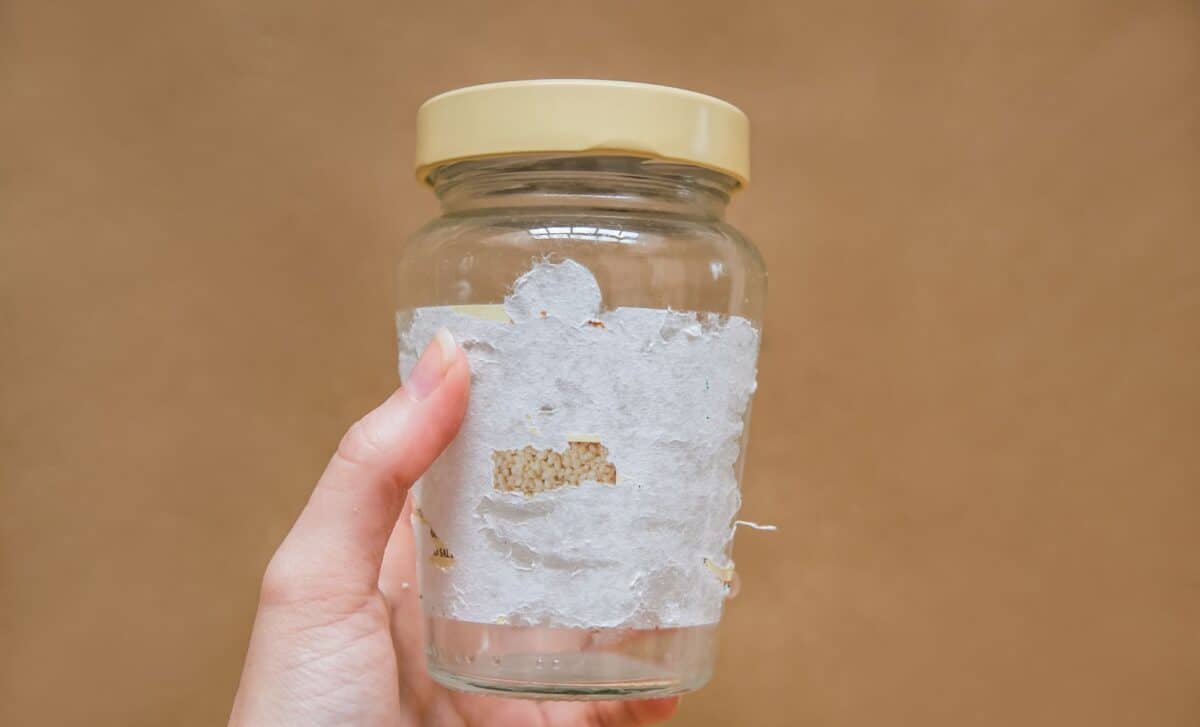
Reusing glass jars has become increasingly popular as more people look for practical ways to reduce waste and organize their homes. From storing pantry staples to creating decorative containers, old jars can be incredibly useful long after their original contents are gone. There’s just one problem: removing the label.
Anyone who has tried to peel a label off a pasta sauce jar or jam container knows how frustrating the process can be. Sometimes the paper tears into tiny pieces. Other times the label comes off, but a thick layer of sticky glue remains stuck to the glass. Hours of soaking, scraping, and scrubbing often seem to make little difference.
Fortunately, there’s an easier way. A simple household ingredient may help loosen that stubborn adhesive and leave your jars looking clean and ready to reuse.
Why Jar Labels Can Be So Difficult to Remove
The reason some labels seem impossible to peel off is simple: they’re designed that way. Manufacturers use strong adhesives to ensure labels stay attached during shipping, storage, and everyday use. Whether a jar spends weeks on a supermarket shelf or months in a kitchen cabinet, the label needs to remain firmly in place. Unfortunately, that same durability becomes a headache once you decide to reuse the container.
Many people start by soaking the jar in hot water, hoping the label will slide off easily. While this can sometimes loosen the paper, it often leaves behind a sticky residue that clings stubbornly to the glass. Scraping the glue away with a knife or rough sponge isn’t always effective. In some cases, it can even damage the surface or leave visible scratches. That’s why so many DIY enthusiasts are constantly searching for gentler and more efficient methods.
The good news is that one common kitchen ingredient may help solve the problem without requiring expensive cleaning products.
Homeowners Are Placing This Kitchen Ingredient Around Their Gardens for One Surprising Reason, and Ants Hate It
The Kitchen Ingredient That Can Help Dissolve Sticky Residue
One of the most popular tricks involves using olive oil. After removing as much of the label as possible, simply apply a small amount of olive oil to the sticky residue. Make sure the entire area is covered and allow it to sit for about an hour.
During this time, the oil works its way into the adhesive, helping to soften it and reduce its grip on the glass. Once the waiting period is over, wipe the area with a damp cloth and warm water. Many people find that the residue comes away much more easily after the oil has had time to work. Instead of spending several minutes scraping and scrubbing, the glue often wipes away with far less effort.
Running the jar through a hot dishwasher cycle beforehand may make the process even easier. The heat can help loosen both the label and the adhesive, allowing the oil to work more effectively.
A Simple Way to Give Glass Jars a Second Life
Many people use them to store pantry items such as rice, pasta, flour, coffee, sugar, or dried beans. Their transparent design makes it easy to see contents at a glance, helping keep kitchens organized.
They can also be used beyond the pantry. Old jars are perfect for holding craft supplies, office accessories, small tools, or bathroom essentials. Some homeowners even turn them into decorative pieces by painting them or adding custom designs.
Reusing glass jars is not only practical but can also help reduce unnecessary waste. Instead of throwing containers away after a single use, giving them a second purpose extends their lifespan and reduces the need for additional storage products.