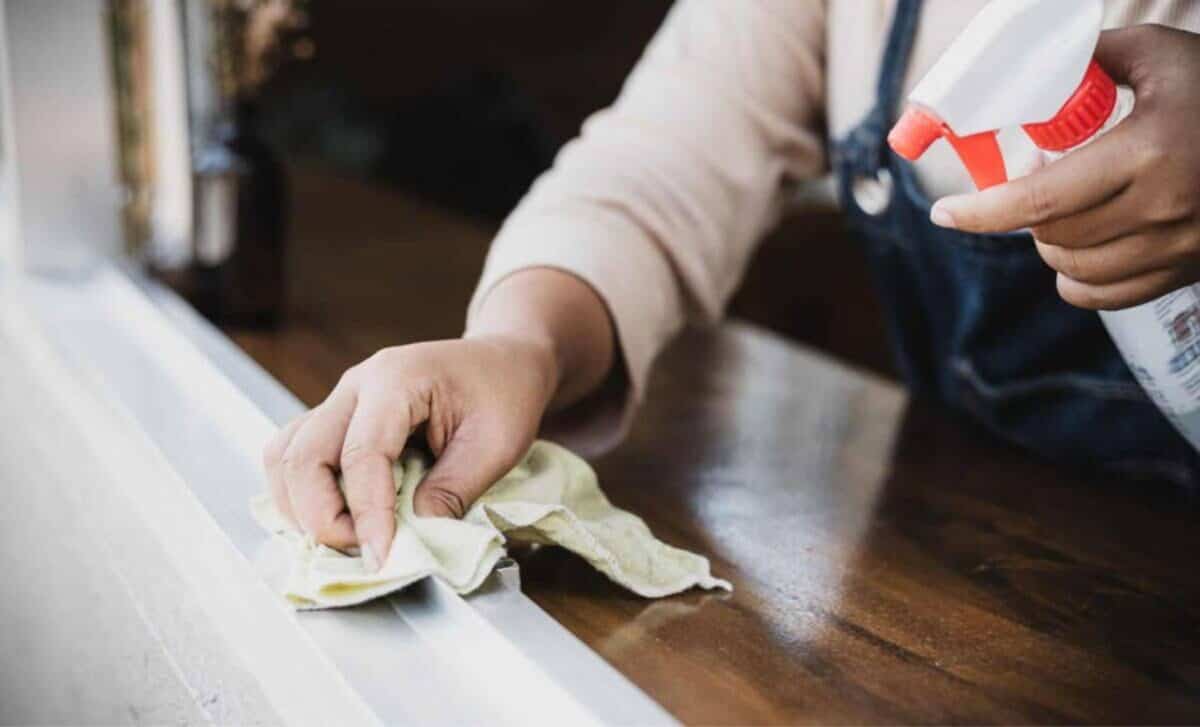
Window sills are one of those areas that get dirty very quickly without anyone really noticing. Dust, pollen, sand, dark marks in the tracks, and even small insects gradually build up, especially during spring and summer.
Even after regular cleaning, some dirt remains trapped in corners and hard-to-reach grooves. Fortunately, there’s a simple and affordable method that can leave window sills looking much cleaner without relying on harsh cleaning products. This trick uses an ingredient many people already have in their kitchen: baking soda.
Baking Soda Works Well on Stubborn Dirt
The method is straightforward. Simply mix baking soda with a small amount of water until you get a thick paste. This texture helps the mixture stay in place on window sills and inside tracks, where dirt tends to collect the most.
Baking soda helps loosen buildup and makes cleaning easier without the need for expensive chemical products. Unlike liquid sprays that run off quickly, the paste stays in contact with the surface longer. Some people also cover the paste with plastic wrap to keep the area moist and allow the mixture to work for several more minutes.
This technique is especially useful for PVC window sills, which often develop dark marks over time. Corners and tracks are usually the hardest places to clean with a standard sponge. Thanks to the paste, stains become easier to remove after a short waiting period.
Another advantage of this method is that it can be used several times throughout the year, especially during seasons when windows collect dirt more quickly.
People Are Putting Olive Oil, Lemon, and Cinnamon Together and It’s Not for Cooking
An Old Toothbrush Is Enough for Hard-to-Reach Areas
Before applying the paste, it’s recommended to remove loose dust with a dry cloth or a handheld vacuum. This prevents dirt from spreading during cleaning.
Once the paste is applied, let it sit for a few minutes on the dirtiest areas. Then use an old toothbrush to gently scrub the tracks, corners, and areas around handles. The bristles can reach tight spaces without damaging surfaces.
For very narrow grooves, cotton swabs can also help. It’s better to avoid abrasive sponges or bleach, since they may damage PVC and seals over time.
After scrubbing, wipe away any remaining paste with a damp cloth. Drying the window sills afterward is also recommended to prevent water marks and reduce future dust buildup.
Regular Maintenance Helps Avoid Deep Cleaning
Even though this method is effective, the easiest solution is still preventing dirt from building up for too long. A quick wipe with a dry cloth once or twice a week already helps reduce dust deposits.
Baking soda can then be used for deeper cleaning whenever stains become noticeable or difficult to remove. Used occasionally, it helps keep window sills clean without filling your home with multiple cleaning products.
Easy to prepare, inexpensive, and quick to apply, this homemade paste can become a practical solution for keeping windows clean with minimal effort.