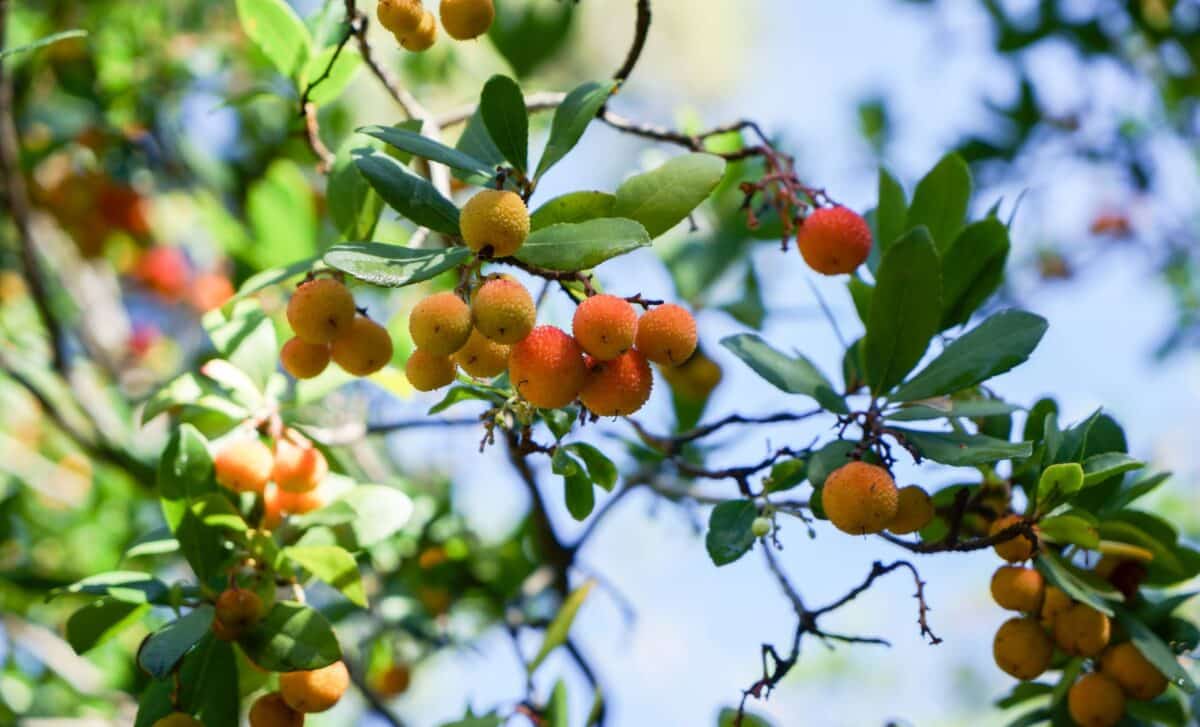
Fruit trees that once thrived with regular watering and constant care are becoming more demanding than expected. At the same time, a handful of older varieties are quietly returning to the spotlight.
These trees were never abandoned because they stopped performing. In fact, they continued doing exactly what gardeners want: producing fruit while asking for very little in return.
Among the most surprising examples are the Japanese loquat and the Japanese quince; two resilient fruit trees that seem almost designed for today’s climate.
This Fruit Tree Produces Heavy Crops Without Extra Water
At first glance, the Japanese loquat (Eriobotrya japonica) does not look like a revolutionary garden plant. Yet many gardeners are rediscovering just how practical it can be.
Originally from China and cultivated in Japan for centuries, this evergreen fruit tree combines productivity with remarkable resilience. Once fully established, usually between eight and twelve years after planting, it can produce between 30 and 50 kilograms of fruit each year.
Its biggest advantage may not even be the harvest itself but the effort required to achieve it. Unlike some fruit trees that need frequent watering schedules and repeated treatments, the loquat remains relatively independent once settled.
Its fruits arrive early too. While many orchards are still waiting for the season to begin, loquats can already be ready from April. Their flavor often surprises first-time tasters, combining notes that resemble peach, citrus and tropical fruit.
The tree also handles cold better than many people expect, tolerating temperatures around -12°C and sometimes lower in sheltered conditions. The only real limitation concerns its flowers, which appear in autumn and may suffer during severe frost.
If You See a Long-Legged Spider in Your Home, Here’s What It Could Mean and Why It May Actually Be a Good Sign
Japanese Quince Survives Almost Anything
If the Japanese loquat stands out for its balance between beauty and productivity, the Japanese quince (Chaenomeles japonica) earns attention for pure toughness.
This shrub develops an extensive root system capable of reaching moisture deeper underground. That characteristic allows it to continue growing even during periods when nearby plants begin showing signs of stress.
Once established, Japanese quince can continue producing fruit with almost no supplemental watering. It also handles freezing temperatures exceptionally well and can survive winters reaching around -25°C.
Its resistance extends beyond weather. Diseases and common pests tend to affect it less than many popular fruit trees, reducing the need for treatments.
Its fruits are especially valued for cooking rather than eating raw. Naturally rich in vitamin C, antioxidants and pectin, they are popular for homemade jellies and preserves because they thicken easily.
Why Garden Centers Slowly Moved Away From These Trees
What is surprising is that these trees did not disappear because they were less effective. The Japanese quince blooms very early in the year, sometimes before the main gardening season begins. By the time most customers visit garden centers in spring, its flowering period is often already finished.
The Japanese loquat faces a different issue. Although its evergreen foliage stays attractive throughout the year, its flowers are more discreet and tend to attract less attention from buyers.
For years, garden centers focused on more decorative and popular varieties, even though many required more watering and maintenance.