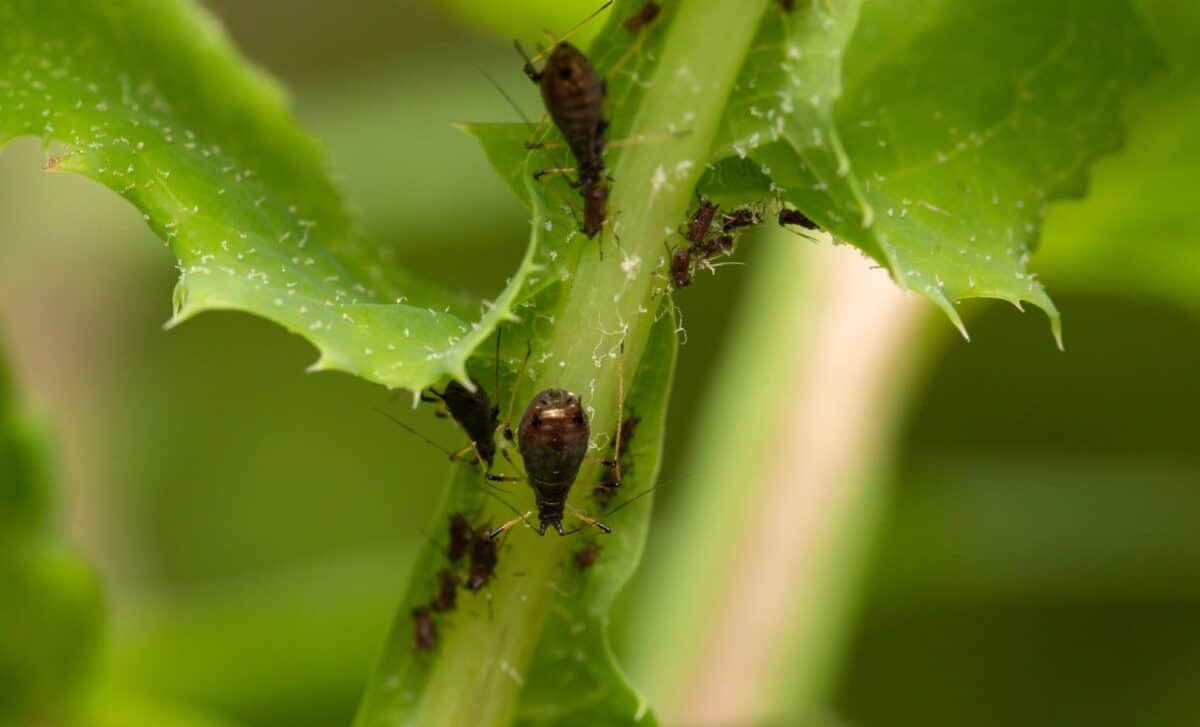
Spring is when the garden comes back to life, but it’s also when stubborn aphids start to appear. As soon as new leaves begin to grow, these tiny insects settle on stems and leaves. They’re easy to miss at first, yet they can weaken a plant in just a few days. Their rapid spread is driven by highly efficient natural processes.
A Rapid Population Boom
Aphids have a pretty unusual way of reproducing called parthenogenesis. In spring and summer, females don’t need males to produce offspring, so their numbers grow very quickly.
As reported by Growing A Greener World, a small group can quickly turn into a full infestation. Some species prefer specific plants such as peach, cherry, or apple trees, while others are less selective. No matter the species, the effect is similar: plants lose strength as their nutrients are depleted.
Mixing Avocado Peel With Vinegar: Why Everyone’s Raving About This New Cleaning Method
Plants Quickly Under Pressure
Aphids go straight for the most fragile parts of plants, like young shoots, buds, soft stems, and the underside of leaves. They feed on sap, which is full of sugars, and that disrupts the plant’s growth.
You can spot the signs quite easily. Leaves curl up, turn yellow, or fall off. Growth slows down, and a sticky substance called honeydew appears. This attracts ants and can lead to a black fungus called sooty mold, which blocks light from reaching the plant.
Whether it’s flowers, fruit trees, or vegetables like beans or cabbage, almost nothing is completely safe.
Simple Ways To Deal With Them
There’s no need to go for harsh solutions. A few simple actions can make a big difference, especially if you act early. If there aren’t too many aphids yet, you can remove them by hand to stop them spreading.
Nature can also help. Insects like ladybug larvae, lacewings, and hoverflies eat a lot of aphids. Birds and earwigs also play a role. Setting up insect shelters can help keep these helpful species around.
Some plants can keep aphids away too. Lavender, mint, rosemary, and marigolds give off scents that aphids don’t like. You can also use natural mixes like diluted black soap, nettle solutions, or garlic sprays to reduce their numbers while helping your plants stay healthy.
Keeping Things Under Control
The best habit is to keep an eye on your plants. Regular checks help you catch the problem early, before it gets out of hand. Even a quick daily look at new growth or the underside of leaves can make a real difference. Aphids multiply fast, so timing really matters.
Another trick is to use trap plants like nasturtiums or broad beans. Aphids are naturally drawn to them, which helps protect your main plants. Placing these strategically around your garden can limit how far the infestation spreads.
With a bit of attention and some simple actions, you can keep your garden in good shape and enjoy the season without too much trouble. Staying consistent with these small efforts often prevents much bigger problems later on.