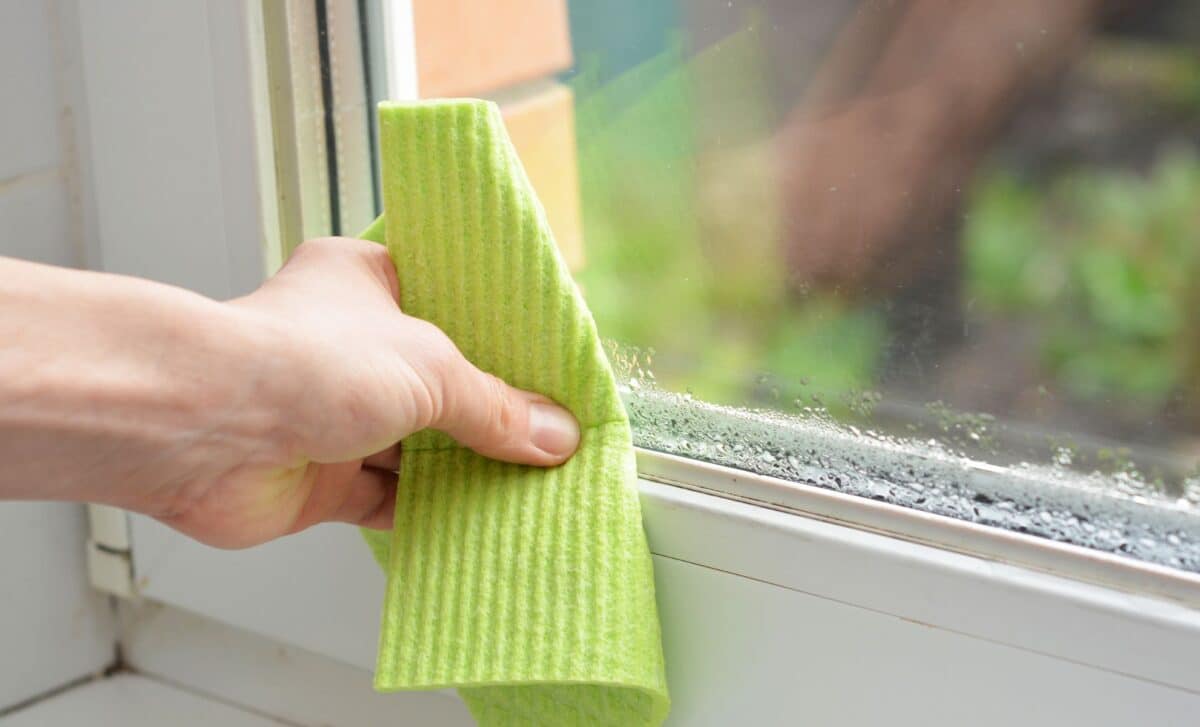
Foggy windows in the morning are a common sign of condensation as soon as temperatures drop. It may seem harmless, but it’s actually a sign that your indoor air is too humid. If nothing is done, it can lead to mold growth and damage parts of your home.
The surprising part? This common issue is often caused by a simple habit that almost everyone overlooks. Once you spot it, the fix becomes obvious, and far easier than you’d expect.
Why Your Windows Get Covered In Condensation
Condensation happens when warm, humid indoor air comes into contact with a cold surface like glass. The moisture in the air turns into water droplets, which you see on your windows. This effect becomes stronger in winter because of the bigger temperature difference between inside and outside. The colder the windows get, the more moisture builds up on them.
Everyday activities can make things worse. Cooking, taking hot showers, or drying clothes indoors all increase humidity levels. If that moisture isn’t properly ventilated, it ends up on your windows.
Patio Covered in Moss? Try This Lazy Way to Get Rid of It Fast Using Just Two Simple Kitchen Items
Little Changes In Your Routine That Truly Help
The good news is that small changes can go a long way. The most effective one is to air out your home daily. Even in winter, opening windows for 10 to 15 minutes helps remove excess moisture and refresh the air.
Heating also plays a key role. A home that’s too cold encourages condensation. You don’t need to overheat, but keeping a steady indoor temperature helps reduce the problem. In bedrooms, it’s better to lower the heat slightly at night rather than turning it off completely.
In high-moisture areas, a few habits can help a lot. In the kitchen, use an extractor fan and keep lids on pots while cooking. In the bathroom, open a window or turn on ventilation right after a shower.
Another important tip: avoid drying clothes indoors when possible, especially in closed rooms. It releases a large amount of moisture into the air.
Extra Solutions To Get Rid Of Condensation For Good
If condensation still sticks around, there are additional solutions to consider. A dehumidifier is one of the most effective tools. It pulls moisture out of the air and helps maintain a healthier indoor environment. You can also install anti-condensation window films. These reduce the temperature difference between the air and the glass, limiting the formation of droplets.
And if it’s a long-term issue, improving overall ventilation can make a big difference if the issue is ongoing. Better airflow helps keep humidity levels under control and creates a more comfortable living space.