A strange odor coming from your favorite houseplant can be unsettling. One day your space feels fresh and green, the next there’s a sour smell drifting from the pot. In most cases, a bad smell from plant soil is not the end of your leafy companion. It’s a warning sign that something in the root environment needs adjusting.
Indoor gardening has become part of modern lifestyle culture. From minimalist apartments filled with monstera to shelves lined with pothos and succulents, plants are everywhere. But with this trend comes one common mistake: too much love in the form of water.
Overwatering: The Silent Troublemaker
The number one reason your plant smells bad is overwatering. You see dry soil on top and assume your plant is thirsty. The issue is that surface dryness doesn’t always reflect what’s happening deeper down.
When soil stays constantly wet, oxygen levels drop around the roots. Roots need air pockets to function properly. Without oxygen, they begin to suffocate. That’s when anaerobic bacteria develop. These microorganisms thrive in low-oxygen conditions and release gases that create a rotten egg or swamp-like smell.
If you lift the pot and notice it feels unusually heavy days after watering, that’s a sign moisture is trapped. Poor drainage is often part of the problem. Decorative pots without drainage holes can hold excess water at the bottom, turning the lower soil layers into a stagnant zone.
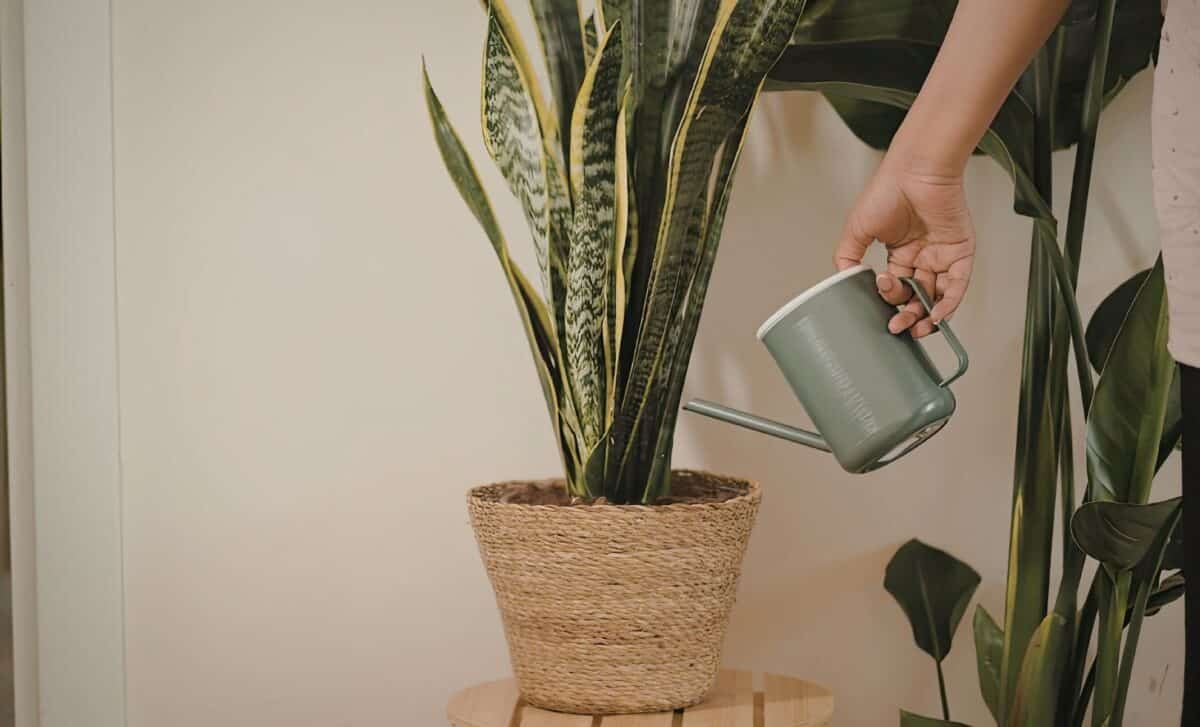
The fix starts with adjusting your watering routine. Always check moisture by inserting your finger a couple of inches into the soil. If it still feels damp, wait. Most houseplants prefer a dry cycle between watering sessions. Empty saucers after watering so roots never sit in standing water.
Foot Odor, Athlete’s Foot, Cracked Heels? This Vinegar Remedy Could Be the Solution You’ve Been Searching For!
Root Rot And Mold: What’s Happening Below The Surface
If the smell is strong and persistent, root rot may already be developing. Root rot occurs when roots remain saturated for too long. Instead of being firm and pale, affected roots turn brown or black and feel soft or mushy.
To check, gently remove the plant from its pot. Healthy roots look structured and light in color. Damaged ones may fall apart when touched. If you find rot, trim the affected sections with clean scissors. Removing the compromised roots prevents the decay from spreading.
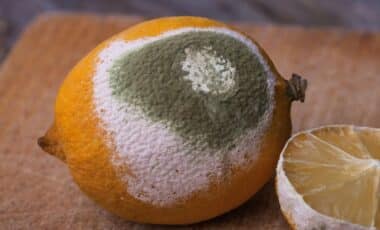
Another possibility is mold growth. White, gray, or fuzzy patches on the soil surface indicate fungal activity. Mold thrives in humid, poorly ventilated spaces. If your plant lives in a bathroom corner or a room with limited airflow, conditions may favor fungal development.
Remove the top layer of contaminated soil and replace it with fresh potting mix. Improving air circulation helps regulate moisture levels. Moving the plant closer to indirect natural light can also reduce excessive humidity in the soil.
How to Give Your Plant a Fresh Start
If odors continue despite trimming roots and adjusting watering, repotting offers a full reset. Choose a container with proper drainage holes and use fresh, well-aerated indoor plant soil. Repotting removes lingering bacteria and restores healthy airflow around the roots.
Going forward, focus on balance. Water thoroughly, then allow the soil to dry appropriately before watering again. Learn your specific plant’s needs. A snake plant requires far less frequent watering than a tropical calathea. Matching care to species prevents repeated stress.
Light, airflow, and pot size also play a role. Bright, indirect light supports soil drying at a steady pace. Adequate ventilation discourages mold. A pot that is too large can retain more moisture than the roots can absorb.