Thrift stores are built on a simple promise: spend less and still bring home something useful, stylish, or unique. In many cases, that promise holds up. You can find great deals on books, glassware, frames, solid wood furniture, and decorative pieces that still have plenty of life left in them.
The problem starts when a low price hides a flaw you cannot see right away. Some secondhand items raise questions about hygiene, safety, or long-term reliability, and that can turn an exciting bargain into a frustrating expense.
Upholstered Items Are Often The Biggest Gamble
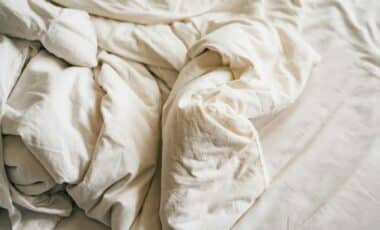
Some of the riskiest purchases in a thrift store are mattresses, pillows, upholstered chairs, and fabric sofas. On the surface, they may look fine. The fabric may be clean, the shape may hold up, and the price may seem hard to ignore. The real issue is what you cannot easily check. You rarely know how long the item was used, what kind of environment it came from, or whether it has absorbed odors, allergens, moisture, or even pests over time.
That is what makes these pieces such a gamble. A quick glance does not tell you what is happening inside the padding or beneath the fabric. A couch can appear fresh while still carrying problems that are expensive or impossible to fix. A mattress may seem like a huge saving compared with buying new, but that saving disappears quickly if cleaning costs pile up or the item needs to be replaced soon after purchase.
Soft goods also wear differently from hard surfaces. A wooden table can be inspected for cracks, water damage, or loose joints in minutes. A thick upholstered piece hides much more of its condition. That makes the bargain less reliable from the start, especially for anything you use daily and at close contact.
You See a Spider and Put It Outside? Here’s Why That’s a Huge Mistake
Safety Gear Should Never Be Chosen On Price Alone
Some products arE designed to protect people. That includes bike helmets, car seats, booster seats, cribs, and similar items. In these categories, a secondhand purchase can be far more complicated than it seems. A helmet may look nearly new but still have been damaged in an earlier impact. A car seat can seem complete while missing a part, nearing expiration, or no longer meeting the latest safety standards.
The same caution applies to some small appliances. A used space heater, hair dryer, toaster, or electric kettle might power on during a quick test and still have worn wiring or internal damage. As interior stylist and vintage expert Leah Ashley stated:
“Always check that lamps and electronics work before hauling them home.” She added “The store will usually always allow you to plug something in to check.”
Personal Care Items Can Be False Savings
Products tied to personal care are another category where thrift store prices can be misleading. Cosmetics, skincare products, and previously opened beauty items are difficult to trust because storage conditions and prior use are often unclear. That uncertainty alone can wipe out any sense of value.
The same goes for heavily worn shoes. A pair may look stylish from the outside while hiding warped soles, weakened support, or heavy wear inside. In the kitchen, scratched nonstick pans and damaged utensils can also be poor choices, since visible wear directly affects how well they perform.