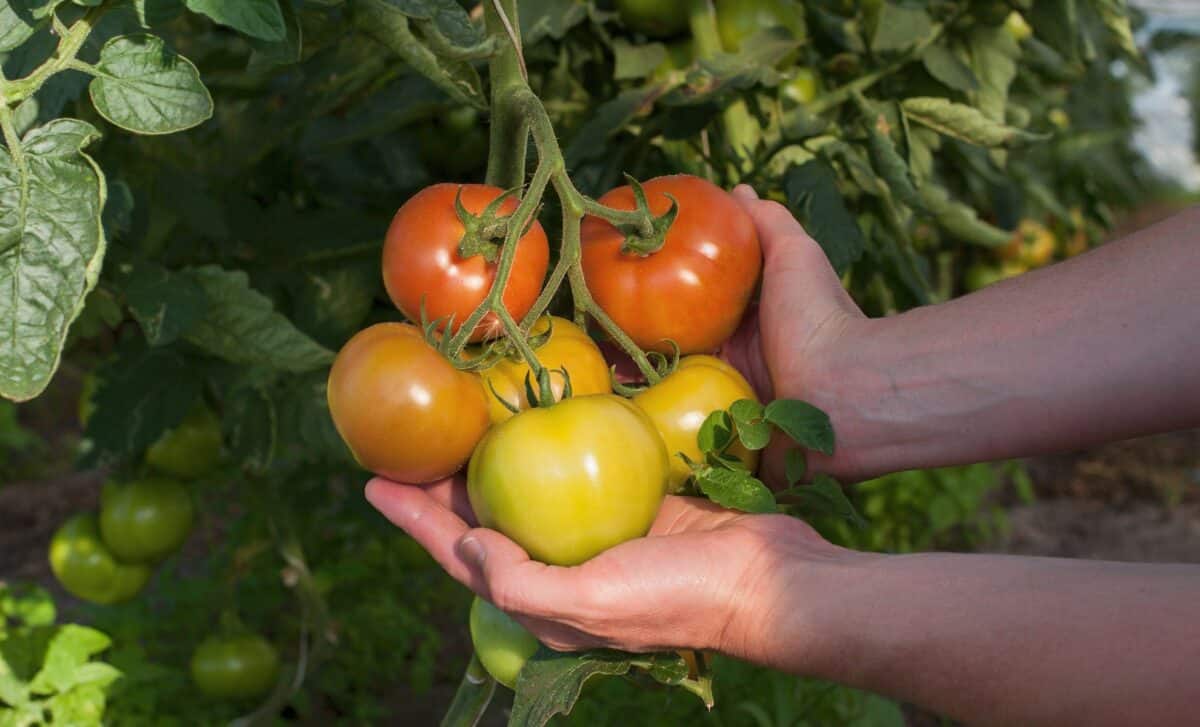
Growing healthy, productive tomatoes isn’t always as easy as it seems. Even with regular watering and plenty of sunshine, tomato plants can sometimes produce small fruits or lose their vigor as the season progresses. To tackle this issue, many gardeners look for natural ways to support their crops. One of the most talked-about tips involves adding baker’s yeast to watering water. Affordable and easy to prepare, this homemade solution has caught the attention of gardening enthusiasts.
Why Gardeners Are Interested in Baker’s Yeast
Baker’s yeast is best known as a baking ingredient, but it has also gained popularity in natural gardening. Unlike baking powder, baker’s yeast contains living microorganisms that can contribute to the biological balance of the soil, according to Lab Manager. The goal is not to feed the tomato plants directly but to stimulate the beneficial organisms already living in the soil.
By encouraging this microbial activity, nutrients locked inside organic matter become more readily available to plant roots. Tomatoes can then absorb essential elements such as nitrogen, phosphorus, and potassium more efficiently. This process may promote stronger root development, steadier growth, and improved flowering.
The effectiveness of this method depends largely on soil quality, sunlight, watering practices, and overall plant care. Baker’s yeast cannot compensate for poor growing conditions or depleted soil. Instead, it should be viewed as a complementary technique within a well-maintained vegetable garden.
Do You Really Need to Toss Your Black Kitchen Utensils? Here’s What Experts Say
How to Use This Method Correctly
The most commonly recommended recipe consists of dissolving one packet of active dry baker’s yeast, around 7 grams, in 1 liter of lukewarm water. After letting the mixture rest for about 30 minutes, it can be poured directly around the base of the tomato plants. It is best to avoid wetting the leaves, as excess moisture may encourage diseases such as late blight.
This treatment should not be applied immediately after transplanting. Young plants need several days to establish their root systems before receiving this type of boost. After that, an application every seven to ten days is generally considered sufficient.
As with any gardening technique, moderation is key. Applying the mixture too frequently or at too high a concentration could disrupt the soil’s natural balance. This method also works best alongside proven gardening practices such as proper watering, mulching to retain moisture, and enriching the soil with organic matter.
Baker’s yeast is therefore an inexpensive and easy-to-use option that may support tomato growth, but it should not replace the fundamentals of successful gardening. Before treating an entire vegetable patch, it may be worth trying the method on a few plants first to see how it performs under your own growing conditions.