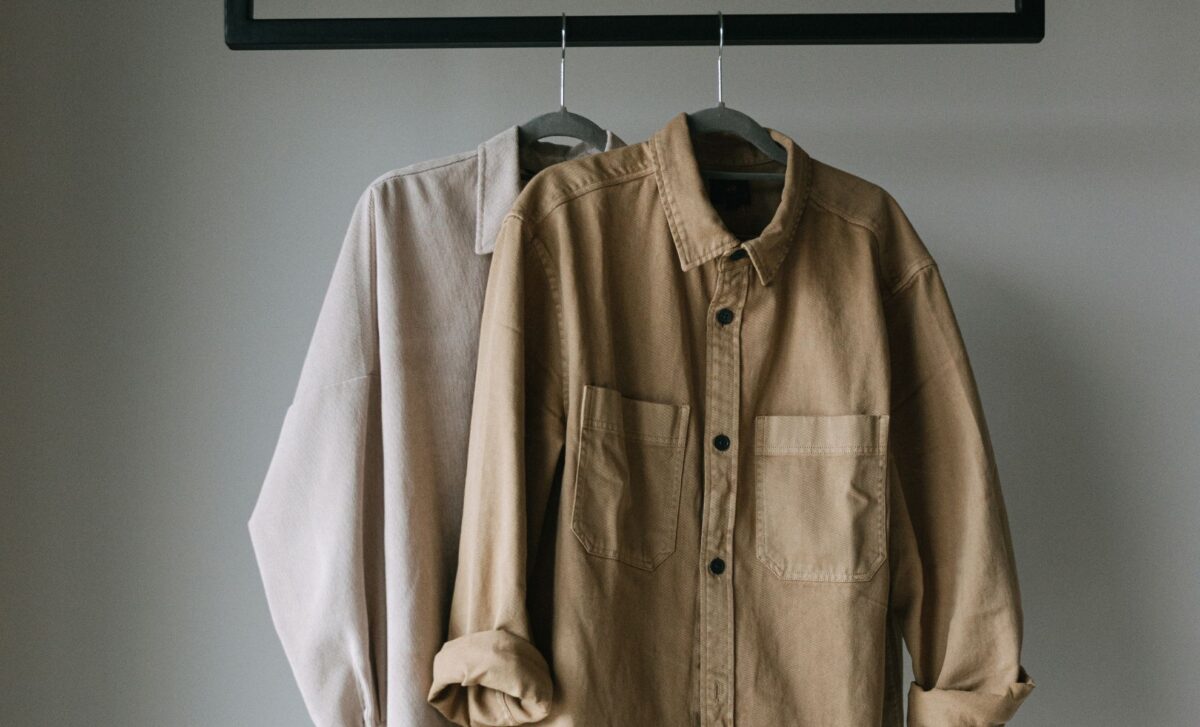
Waking up in front of a wardrobe full of clothes does not always lead to endless hesitation. For some people, the decision is already made long before the day begins. Same jeans, same T-shirt, same jacket, sometimes repeated almost like a personal rule.
At first glance, it can look like pure simplicity or even indifference to style. Yet this quiet clothes repetition often hides something more interesting: a way of structuring daily life, managing mental energy, and shaping identity without saying a word. Far from being random, this “everyday uniform” reflects a mindset that blends comfort, control, and a very personal relationship with appearance.
The Wardrobe on Autopilot Mode
For certain people, getting dressed is no longer a decision-making moment. It is a system that runs almost on its own. The outfit has already been tested, approved, and mentally stored as “the default.” No debate, no experimentation, just repetition that feels natural.
This way of dressing is often less about fashion and more about efficiency. By removing one daily choice, the morning becomes smoother, faster, and less mentally cluttered. It may seem like a small detail, but repeated every day, it quietly reduces the number of decisions to make. And that matters more than it looks like at first.
In many cases, this habit is not the result of laziness or lack of interest in appearance. On the contrary, it can come from a clear intention: simplifying life. Once a person finds a combination that feels right, comfortable, and “good enough,” there is little motivation to change it. The wardrobe stops being a space of exploration and becomes a reliable tool, something practical rather than expressive on a daily basis.
A Spoonful of Sugar on Your Lawn? Why Homeowners Are Sprinkling Sugar on Their Grass Right Now
Fewer Clothes Choices, More Mental Space
One of the strongest reasons behind this habit is mental load. Every day is filled with micro-decisions, from work tasks to personal planning. Even something as simple as choosing an outfit adds to that invisible cognitive weight.
By repeating the same clothing choices, some people remove that step entirely. It becomes automatic, almost like a daily shortcut. This frees up mental energy for other priorities that feel more important or demanding. Over time, this can create a sense of clarity and calm, especially in busy or unpredictable routines.
There is also a subtle emotional aspect. Familiar clothes can feel grounding. When everything else is shifting, having one constant element in the day can be reassuring. The outfit becomes less about appearance and more about stability. It is not unusual for people with this habit to describe it as “one less thing to think about,” which captures the practical mindset behind it quite well.
A Quiet Distance From Trends And Noise
Wearing the same type of outfit regularly can also reflect a certain detachment from fashion cycles. Instead of constantly adapting to new trends, the focus shifts toward consistency and personal comfort. Clothing is no longer a way to keep up with change, but a way to stay steady within it.
This does not necessarily mean rejecting style altogether. It is more about not letting external influences dictate daily choices. The result is often a low-profile look that remains stable over time, almost like a personal signature that does not need updating.
In social terms, this can also reduce pressure. Fewer variations in appearance mean fewer expectations to impress, surprise, or perform visually. The outfit becomes neutral ground, allowing attention to move elsewhere. For some, this creates a subtle sense of independence, as if appearance is no longer something negotiated every morning.
What This Habit Quietly Reveals
Behind this repeated clothing pattern, several personality tendencies often appear, though they are never absolute. A preference for simplicity is common, along with a tendency to reduce unnecessary complexity in daily life. There can also be a strong attraction to routine, structure, and predictability.
In some cases, it shows a more reserved way of being seen by others, where clothes aren’t really used as a main way to express oneself. Instead, identity comes through in a quieter, more steady way. Rather than changing outfits depending on mood or situation, staying consistent becomes the message on its own.