Recycling everyday household items is becoming more common, especially in gardening. One idea is gaining attention for its simplicity and usefulness: reusing old sponges in plant pots. Behind this small habit lies a practical way to manage water more efficiently while reducing household waste.
Giving Old Sponges a Second Life
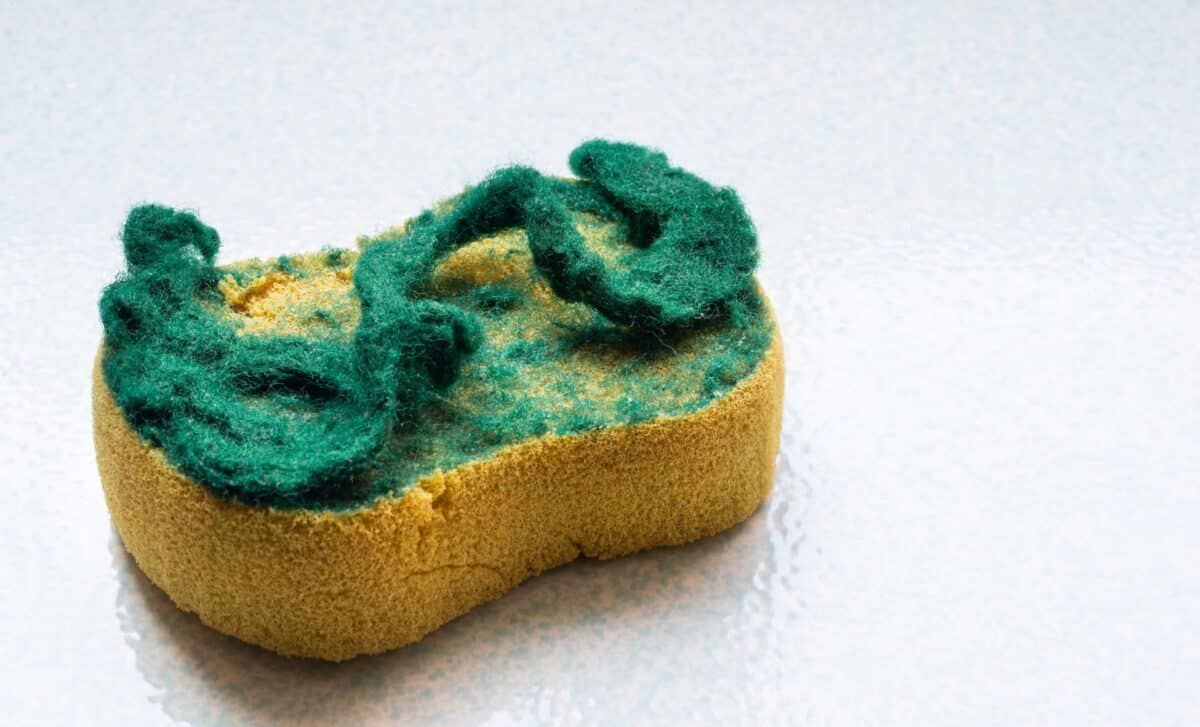
Sponges are among the most frequently discarded items at home. Once they become worn out or stained, they are usually thrown away without much thought. Yet, their structure still offers valuable properties. Even after heavy use, they retain a strong ability to absorb and hold water.
In gardening, this characteristic becomes surprisingly useful. Instead of ending up in the trash, a used sponge can be placed at the bottom of a flower pot or planter. This simple action helps reduce waste while extending the life of a common household item.
Burying Moldy Lemons In The Garden? The Outcome Is Catching Gardeners Off Guard
A Simple Way To Improve Moisture Control
The main benefit of using sponges in gardening lies in their capacity to store water and release it gradually. When placed at the bottom of a pot, they act as a hidden reservoir. During watering, they absorb excess moisture and slowly release it back into the soil as it dries out.
This process helps maintain more consistent soil moisture around plant roots. Many plants, especially indoor varieties, struggle with sudden changes between overly dry and overly wet conditions. Sponges help smooth out these fluctuations.
They can also help reduce how often you need to water your plants, which is particularly useful for people who travel frequently or tend to forget regular watering. The stored water acts as a buffer, lowering the risk of plants drying out too quickly.