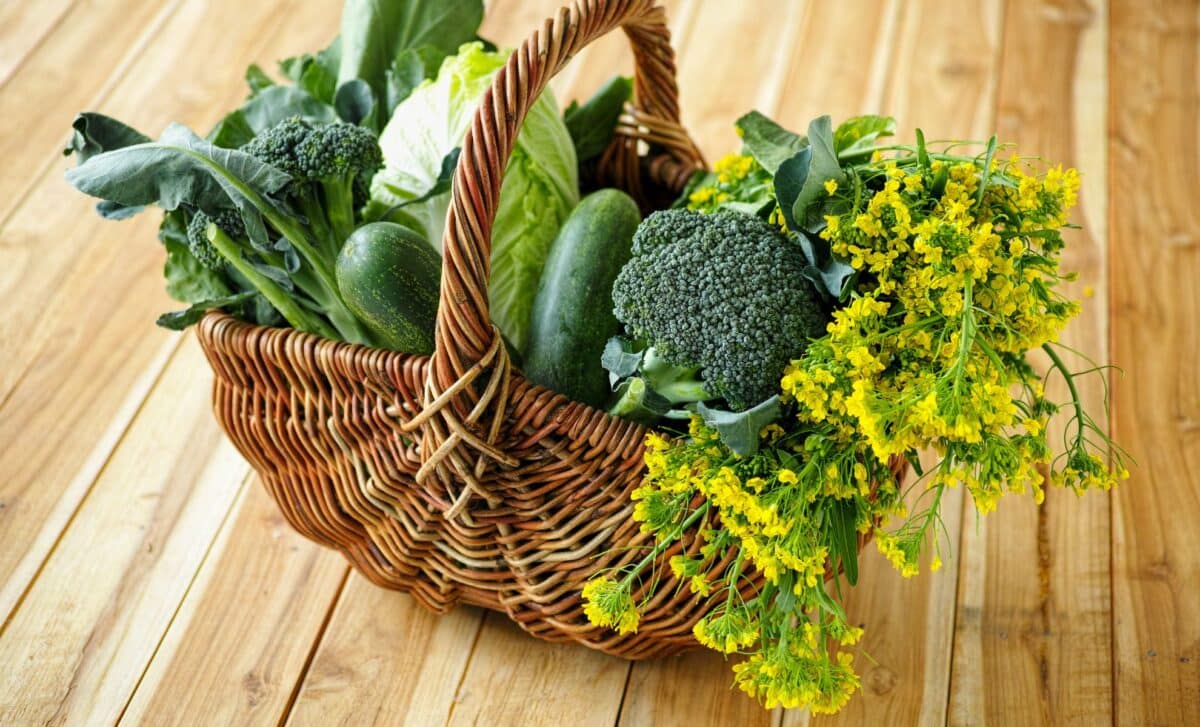
An everyday veggie, often pushed to the side of the plate, actually boasts one of the most nutrient-dense profiles according to several public health specialists: broccoli. Behind its ordinary appearance and sometimes unpopular smell lies a powerhouse that has been studied for years in nutritional research. Affordable, widely available, and easy to cook, it stands out as a serious contender for the title of the healthiest green veggie of all.
A Powerhouse Of Vitamins And Antioxidants
Broccoli belongs to the cruciferous family, alongside cabbage and cauliflower. Its composition makes it particularly valuable from a nutritional standpoint. According to a study, published in National Library of Medicine, it contains high levels of vitamin C, covering a significant portion of daily requirements in a standard serving. It also provides vitamin K, essential for blood clotting and bone health, as well as folate, which plays a key role in cell renewal.
This green vegetable is also rich in dietary fiber, promoting satiety and supporting healthy digestion. Its low calorie content makes it suitable for most balanced eating plans.
One of its most studied components is sulforaphane, a naturally occurring sulfur compound found in broccoli. Numerous scientific studies focus on its potential role in supporting the body’s cellular defense mechanisms.
This Homemade Drink Made with 2 Kitchen Ingredients Targets Belly Fat Fast
A Metabolic Ally: The Veggie for Overall Balance
Beyond its vitamin content, this veggie influences several metabolic processes. Its high fiber content contributes to better blood sugar regulation and helps maintain steady energy levels throughout the day. This feature has drawn attention from experts working on metabolic health prevention strategies.
The antioxidants it contains, including carotenoids and flavonoids, help neutralize free radicals. Since oxidative stress is associated with various aging-related processes, regularly consuming a variety of green vegetables fits well within a long-term wellness approach.
Broccoli also offers remarkable versatility in the kitchen. Steamed gently to preserve its micronutrients, roasted to enhance its flavor, or added to warm salads and stir-fries, it adapts easily to modern eating habits. Light cooking methods help retain a higher level of its active compounds.
The Healthiest Way To Prepare Broccoli At Home
The best way to cook broccoli depends on your goal: preserving its nutritional value or enhancing its flavor. From a health perspective, gentle steaming remains the most effective method. It helps retain a large portion of vitamin C, which is particularly sensitive to heat and water, as well as antioxidant compounds.
A short cooking time of three to five minutes is usually enough. The broccoli should stay bright green and slightly firm to the bite. Overcooking not only reduces its nutrient content but also affects its texture and strengthens its smell. Adding a drizzle of olive oil after cooking can also improve the absorption of certain fat-soluble vitamins.
For those seeking deeper flavor, roasting is an excellent alternative. Cooked in the oven at 350 to 400 degrees Fahrenheit for about fifteen minutes with a little olive oil, broccoli develops lightly caramelized, almost nutty notes.