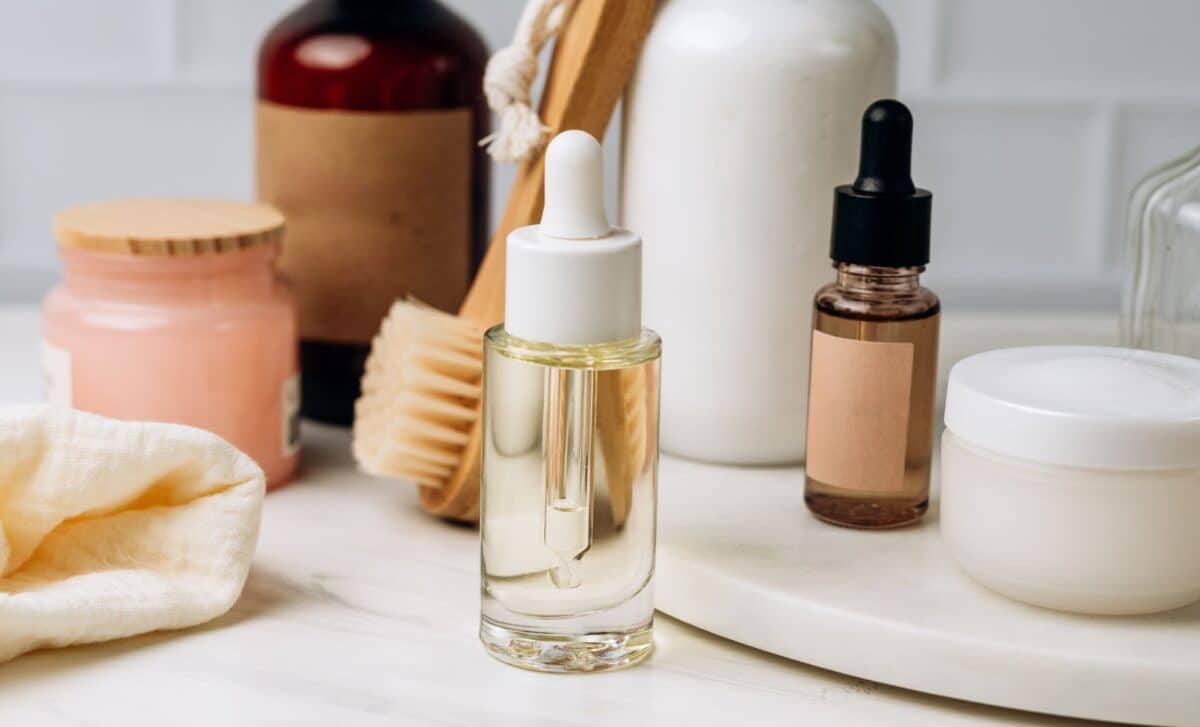
Often overlooked in favor of more popular oils like argan or rosehip, jojoba oil is quietly becoming a favorite among dermatologists and skincare enthusiasts. Extracted from the seeds of the Simmondsia chinensis plant, jojoba oil offers hydration, protection, and compatibility with most skin types. But what exactly makes this oil different, and should you add it to your daily routine?
Why Jojoba Oil Is Different From Other Oils
Jojoba oil is not technically an oil but a liquid wax ester. This detail matters because its structure is almost identical to human sebum, the natural oil our skin produces. According to Dr. Derrick Phillips, consultant dermatologist at OneWelbeck, this allows jojoba oil to blend easily with the skin’s barrier.
This compatibility gives the product a serious advantage. It hydrates while supporting the skin’s natural defenses, making it a great option for all seasons and climates. Unlike some oils that sit on top of the skin, jojoba absorbs quickly and forms a breathable shield against water loss. This helps reduce dryness, tightness, and flaking.
These 4 Japanese Dramas Are Better Than Anything You’re Watching Right Now
The Skincare “Wins” Dermatologists Truly Stand Behind
Jojoba oil is often praised for its hydrating and soothing properties, but its benefits go beyond moisture. One of its key strengths is that it contains natural antioxidants, including vitamin E, which help protect the skin from environmental stress like pollution and sun exposure. These antioxidants neutralize free radicals that contribute to premature aging, helping skin look smoother and more even over time.
For people with acne-prone skin, it is a non-comedogenic option that may help balance oil production. Because it mimics sebum, the skin may reduce its own oil output when jojoba is used consistently. Some small studies have also suggested jojoba’s mild anti-inflammatory effects, which can be helpful for calming irritation and redness.
On the other hand, those with dry or mature skin can benefit from its ability to seal in moisture without causing irritation. This makes it especially useful for people with sensitive skin or conditions like eczema, where maintaining the skin barrier is essential.
While it’s widely tolerated, Dr. Phillips still recommends a patch test before applying it all over the face, particularly if you have known allergies to plant-based oils.
How to Use It in Your Routine
Jojoba oil can be used on its own or as part of a product formula, depending on your preferences.
To use it as a standalone oil, apply 1 to 2 drops to slightly damp skin after cleansing or applying a water-based serum. This helps lock in hydration and leaves the skin feeling soft and smooth. Most people can use it once or twice daily, depending on their skin’s needs.
It’s also commonly found in facial oils, moisturizers, and gentle cleansers. These blends combine jojoba with other ingredients for added hydration or anti-inflammatory benefits.