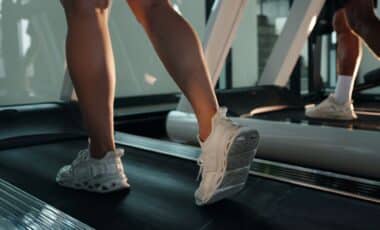
A study that followed more than 5,000 adults for 30 years suggests that staying more physically active than current guidelines recommend could help reduce the risk of high blood pressure later in life.
A “Silent” Health Problem Affecting Billions
High blood pressure, also known as hypertension, is one of the main risk factors for heart attacks, strokes, and even some forms of dementia. According to the World Health Organization, about one in four men and one in five women worldwide are affected.
What makes it tricky is that many people don’t realize they have it. Hypertension often develops without obvious symptoms, which is why it’s commonly referred to as the “silent killer.”
That’s where physical activity comes in, as it plays a key role in keeping the heart and blood vessels healthy.
How Often Should You Really Change Your Sheets? Here’s the Perfect Schedule
A Study that Tracked People for Three Decades
Researchers looked at data from over 5,100 adults in four US cities and tracked their health for around three decades. During this time, they regularly measured participants’ blood pressure and examined lifestyle habits such as exercise, smoking, and alcohol use.
As mentioned in the study, published in American Journal of Preventive Medicine, the results showed a clear pattern. Between the ages of 18 and 40, physical activity tends to decline while rates of hypertension start to rise. This suggests that early adulthood is a particularly important time for building long-term healthy habits.
Five Hours Weekly Helps
One of the most interesting findings is the amount of activity linked to lower risk. People who did around five hours of moderate exercise each week had a much lower chance of developing high blood pressure.
That’s roughly twice the minimum amount currently recommended for adults. The protective effect was even stronger for people who kept exercising regularly until around age 60.
Why Staying Active Becomes Harder With Age
Many people are very active as teenagers or in their early twenties. But once they move into college, work, and family life, exercise often takes a back seat.
According to the researchers, this stage of life might be the right time for public health efforts that encourage people to stay active. Keeping up regular physical activity over many years could be one of the most effective ways to reduce the risk of high blood pressure and protect long-term heart health.