An increasing number of people are embracing a trending “zero-waste” tip: adding a spoonful of coffee grounds to the toilet to fight bad smells and keep the bowl clean. It sounds like the ideal solution, natural, affordable, and easy to use. But there’s a catch.
Behind this seemingly harmless habit are potential risks for your plumbing system. So, is it really a smart trick or something to avoid?
A Popular Eco-friendly Tip, But Not Without Downsides
This idea has been widely shared. Instead of throwing away your used coffee grounds, you reuse them to freshen up your toilet. Many people like the approach because it reduces waste and helps neutralize odors. Just one spoonful in the bowl, and the job seems done.
At first glance, it appears effective. Coffee grounds can help remove light residue and leave a fresher impression. But once they pass through the system, the situation changes.
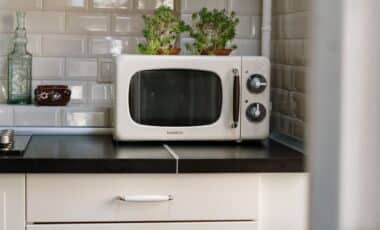
A Kitchen Expert Reveals Why Your Microwave Doesn’t Belong on the Counter
What Happens Inside Your Pipes?
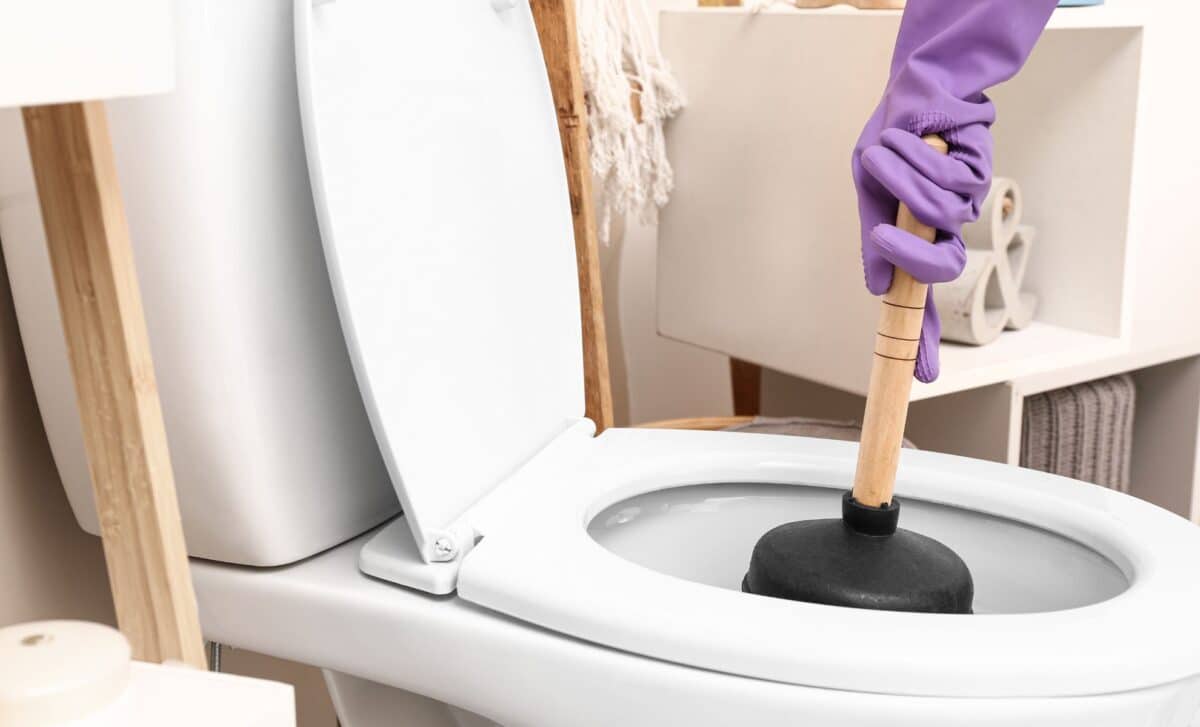
Although they look harmless, coffee grounds do not dissolve in water. As they travel through your plumbing, they can settle and build up over time. Even small amounts, used regularly, may combine with other materials like grease, limescale, or paper, eventually forming stubborn clogs.
Plumbing professionals warn that older systems or shared drainage networks are especially vulnerable. The risk increases further if your home relies on a septic tank, as coffee grounds can interfere with its normal operation. The result can be inconvenient and expensive repairs.
Safer Ways To Reuse Coffee Grounds
You do not have to throw your coffee grounds away, but it is better to use them wisely. For example, placing them in a small container in your bathroom can help absorb odors without affecting your pipes.
If you still want to use them in the toilet, it should only be done occasionally and followed by plenty of hot water to reduce buildup. A better alternative is to reuse them in your garden, compost, or as a natural pest deterrent. Coffee grounds can be very useful, just not in your plumbing.