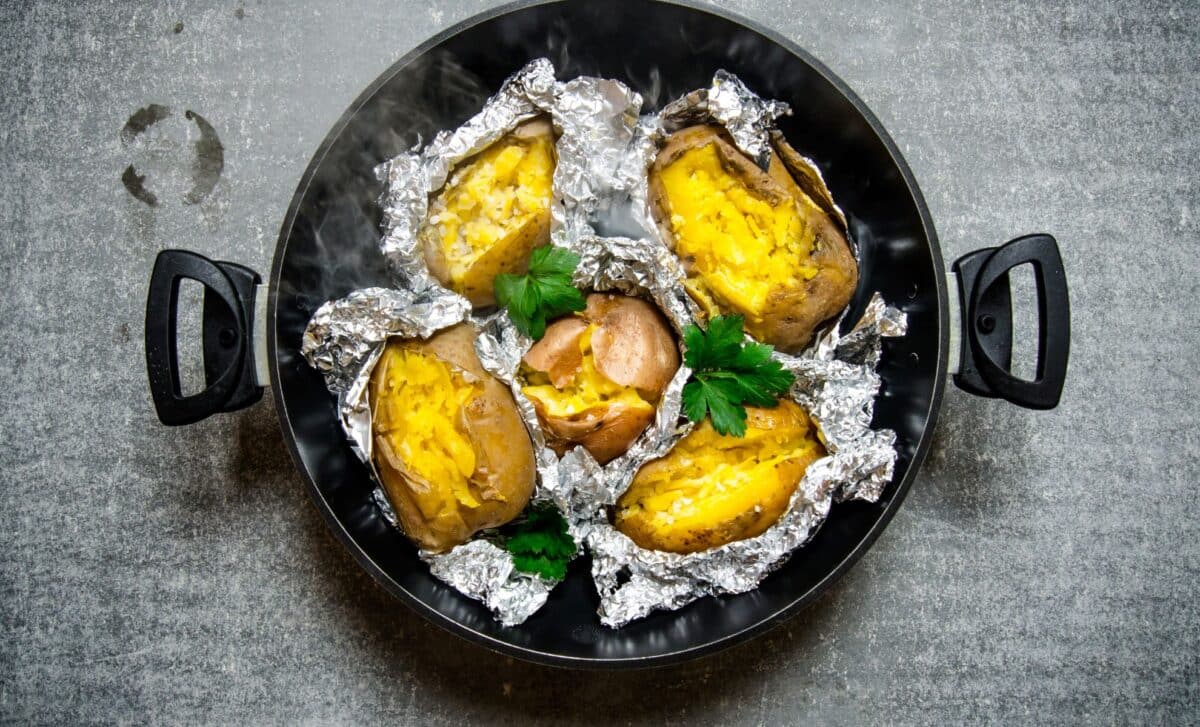
Aluminum foil is that unassuming kitchen sidekick we’ve all relied on, whether it’s for baking crispy potatoes or wrapping up yesterday’s pasta. But under that silver surface lies a not-so-glamorous secret. its contact with certain foods may pose risks that often go unnoticed.Aluminum foil is that unassuming kitchen sidekick we’ve all relied on, whether it’s for baking crispy potatoes or wrapping up yesterday’s pasta. But under that silver surface lies a not-so-glamorous secret. its contact with certain foods may pose risks that often go unnoticed. Chemical reactions, the release of metal particles, and long-term exposure all raise concerns about a material that many consider harmless.
Why Some Foods Shouldn’t Touch Aluminum
There is something oddly intimate about the moment aluminum meets acidic food. A slice of lemon resting too long, a tomato-rich dish sealed for the oven, even a simple vinaigrette spread across a salad before being wrapped. These small actions, seemingly harmless, can trigger a quiet chemical reaction. Aluminum begins to break down. Invisible particles drift into the food, slipping past taste, color, or texture.
But exposure over time, gentle and repetitive, can become a burden. Research is beginning to suggest links between chronic aluminum intake and neurological conditions. The science continues, cautious but curious. In the meantime, some institutions are already choosing caution. Hospitals, schools, childcare centers. They have begun replacing foil in certain situations, not out of fear but out of care.
This DIY Spray Beats Store-Bought Cleaners, And It’s Three Times Cheaper
How to Reduce Aluminum Exposure (and What to Use Instead)
The good news is that simple solutions exist to avoid unnecessary risks. For oven cooking, parchment paper is an excellent alternative to aluminum foil. It withstands high temperatures and does not react with acidic foods.
To store leftovers or wrap salty or acidic foods, glass containers with airtight lids are ideal. These keep food safe and free from contamination. Beeswax wraps or compostable food films also offer eco-friendly and safe alternatives.
Also, it is best to avoid using this kitchen foil for freezing. It becomes brittle and does not provide proper protection against freezer burn or odor transfer. Freezer-safe plastic bags or airtight boxes offer much better preservation.
Alternatives To Aluminum Foil You’ll Love To Adopt
To reduce your exposure to aluminum, try adopting a few simple habits. Avoid placing salty or acidic foods in direct contact with this wrap, especially if they will be heated. As noted by Stephanie Smith, associate professor of food science at WSU, aluminum can interact with acidic or salty foods during cooking. “Using parchment paper or a silicone baking sheet as a barrier would be the best choice to avoid leaching,” she recommends.
When it comes to wrapping sandwiches or snacks, consider switching to reusable fabric wraps or beeswax-coated alternatives. They’re not only safer, but also more sustainable. These small changes are especially important for children and anyone with increased sensitivity to dietary exposure. Aluminum foil still has its place in the kitchen, but it’s best used with care and intention.