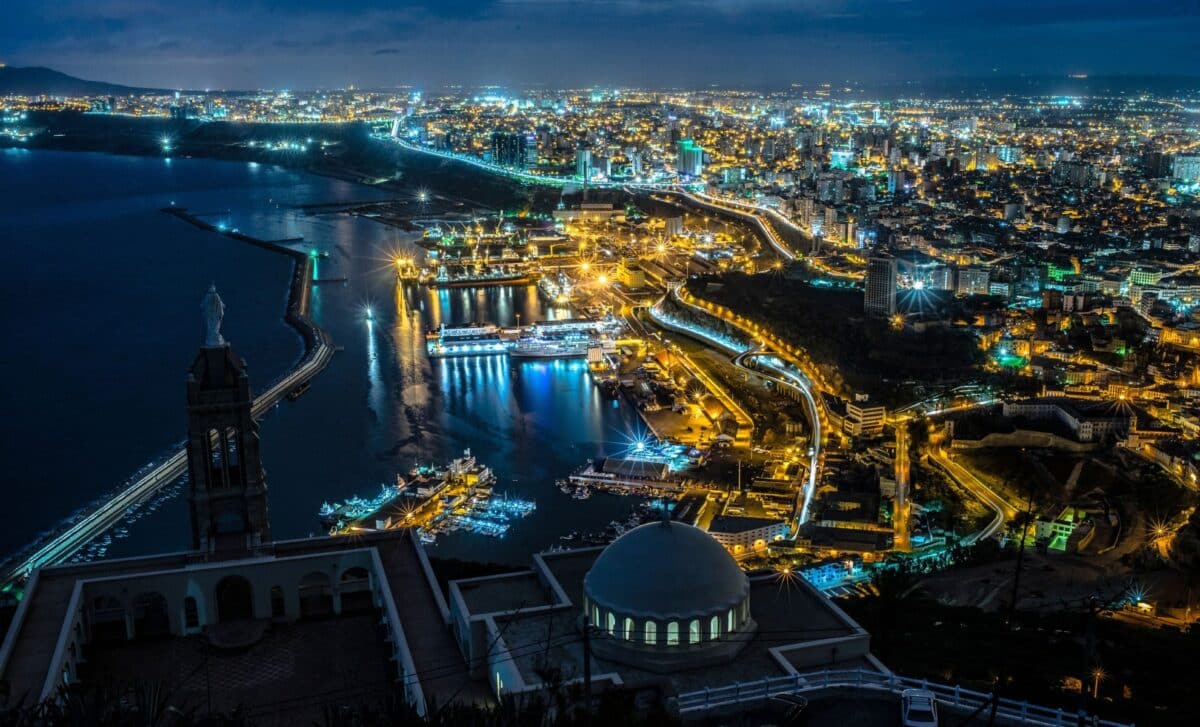
Oran, a coastal city in northwest Algeria, has just been named one of the New York Times’ “52 Places to Go in 2026”, making its debut in the global spotlight. Ranked 7th, the city stands out for its buzzing energy, Mediterranean charm, and deep cultural roots. It is the first time an Algerian destination has been featured on this prestigious list, and it is quickly gaining attention as one of North Africa’s most exciting travel spots.
Sun, Stone, And Stories Along The Mediterranean Coast
Sitting along the Gulf of Oran, the city blends historic elegance with a modern, high-energy vibe. Once a major hub for trade and cultural exchange, Oran has held onto a unique architectural mix. Visitors can explore Ottoman palaces, Spanish-style facades, and French colonial squares, all woven into daily life.
At the heart of it all is the Palais du Bey, a grand Ottoman palace that reflects centuries of influence. Nearby, the Place du 1er Novembre buzzes with movement. It is both a meeting place for locals and a perfect starting point to explore the city’s downtown core. The Front de mer, a palm-lined seaside walkway, offers peaceful views of the Mediterranean and captures Oran’s relaxed coastal rhythm.
For a full view of the city and sea, the Fort of Santa Cruz sits high above Oran. From its ancient walls, the view stretches across the deep blue water and over the terracotta rooftops, revealing a side of Oran that feels both timeless and alive.
Your Winter Skin Needs This One Product to Stay Youthful, Find Out Why Sunscreen is a Must
Old-school Raï Meets New-generation Sound
Oran is a city powered by its sound, and nothing defines that better than raï. This music genre began in the 1920s, born in working-class neighborhoods and shaped by a mix of North African rhythms, poetry, and Eastern influences. Over time, raï grew into a global sound that never lost touch with its roots.
Today, Oran still lives and breathes this music. Every summer, the National Raï Festival fills the streets with energy. Artists, DJs, and fans from around the world gather for a week-long celebration. Even outside the festival, raï plays in cafés, on balconies, and through the voices of young musicians who blend it with electronic, pop, and modern styles.
A City Best Explored At Your Own Pace
Oran invites visitors to explore at their own pace. Its narrow streets, cultural spaces, and nearby nature spots create the perfect mix for discovery. The Ahmed Zabana National Museum showcases Algeria’s past, with exhibits covering art, history, and the country’s path to independence.
The Sidi El Houari neighborhood offers a closer look at Oran’s soul. Its alleys are filled with artisan workshops, traditional homes, and cafés where you can pause for mint tea or a strong espresso. Not far from the city, Madagh Beach offers calm turquoise water and clean sand. It is a peaceful retreat that feels a world away from city life.
Food is one of the easiest ways to connect with Oran. Local markets overflow with fresh seafood, spices, and sweet pastries. Street food like shawarma is easy to find and costs less than a euro. For a sit-down meal, restaurants like Arabesque and Barbarossa offer traditional Algerian dishes that highlight the region’s bold flavors and culinary pride.