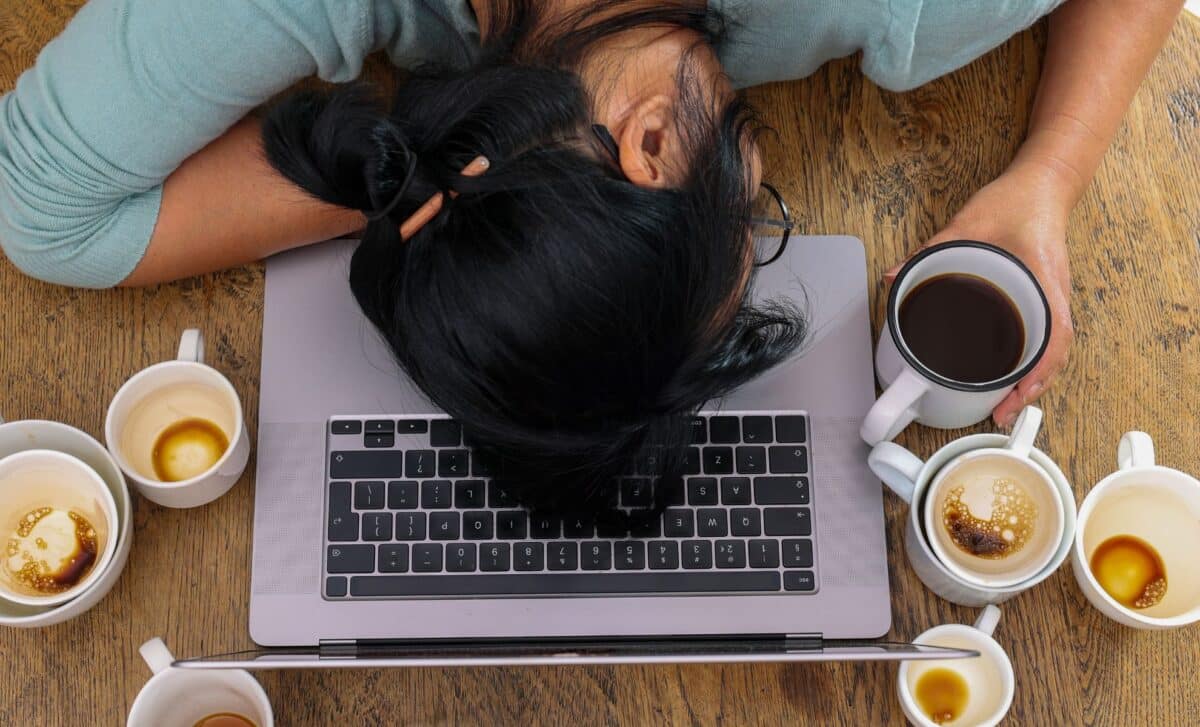
We’ve all been there! That dreaded mid-day slump when you can barely keep your eyes open. A quick nap might seem like the perfect solution, but for it to actually be refreshing (and not leave you feeling worse), there’s a little science behind it. Dr. Thomas Michael Kilkenny, sleep expert and director of the Institute of Sleep Medicine at Northwell Staten Island University Hospital, breaks down how to take a nap that’ll leave you feeling rejuvenated, not groggy.
The Magic Number: Nap Duration
One of the most important aspects of a successful nap is keeping it short. Dr. Kilkenny recommends sticking to a 20-minute nap. Anything longer and you risk drifting into deeper sleep, which can leave you feeling disoriented when you wake up. A 20-minute power snooze is just enough to boost your cognitive function and give you the energy you need without making you feel like you’ve just woken up from a long night’s sleep.
When’s the best time to nap? Aim for the afternoon, ideally between 1 p.m. and 3 p.m. This is when your body naturally feels the energy dip, so it’s the perfect time to recharge.
Tired of a Stinky Car? Try These 7 Hacks to Banish the Odors
Creating the Perfect Nap Spot
Timing is important, but so is where you rest. The expert advises avoiding your bed, especially if you’re trying to avoid falling into a deep sleep. Opt for a comfy chair or couch where you can relax but not get too cozy. You want to rest, not snooze for hours.
The key is creating a quiet, distraction-free environment. Whether you’re in your living room or a quiet office nook, make sure the space feels calm and peaceful. That way, you’ll be able to relax and get the most out of your short sleep break.
Your Bedroom Might Be Ruining Your Nap
Speaking of where you sleep, the environment really does matter. Dr. Kilkenny suggests keeping your nap space cool and dark, which helps your body know it’s time to rest. Darkness boosts melatonin production, helping you fall asleep quickly, and stay asleep during those precious 20 minutes.
Also, ditch the tight clothing. It’s hard to relax when you’re all buttoned up. Go for something loose and comfy, and use supportive pillows to help your body settle into a restful state.
One Cup Too Many?
While caffeine is usually our go-to when we’re feeling sluggish, Dr. Kilkenny suggests you skip it right before napping. Caffeine can mess with your ability to drift off into a restful sleep. But here’s a fun twist, you can actually use caffeine to your advantage.
Try a “coffee nap.” According to Sleep Foundation, here’s how it works: drink a cup of coffee right before lying down. Since it takes about 30 minutes for caffeine to take effect, you’ll wake up from your short rest feeling refreshed and receive an extra energy boost from the caffeine.