Weeds are a major problem for many gardeners. They invade gardens, pathways, vegetable plots, and lawns, often growing rapidly and aggressively. While vinegar is frequently mentioned as a solution to get rid of weeds, more and more gardeners are turning to natural alternatives that are just as effective, or even more powerful.
Salt: A Simple Yet Powerful Solution
Salt is one of the oldest substances used to combat weeds. When mixed with water, it becomes a potent herbicide. The way salt works on plants is simple: it draws moisture out of plant cells, causing the plants to dry up quickly. Once the plant absorbs enough salt, it dies without the need for harsh chemicals.
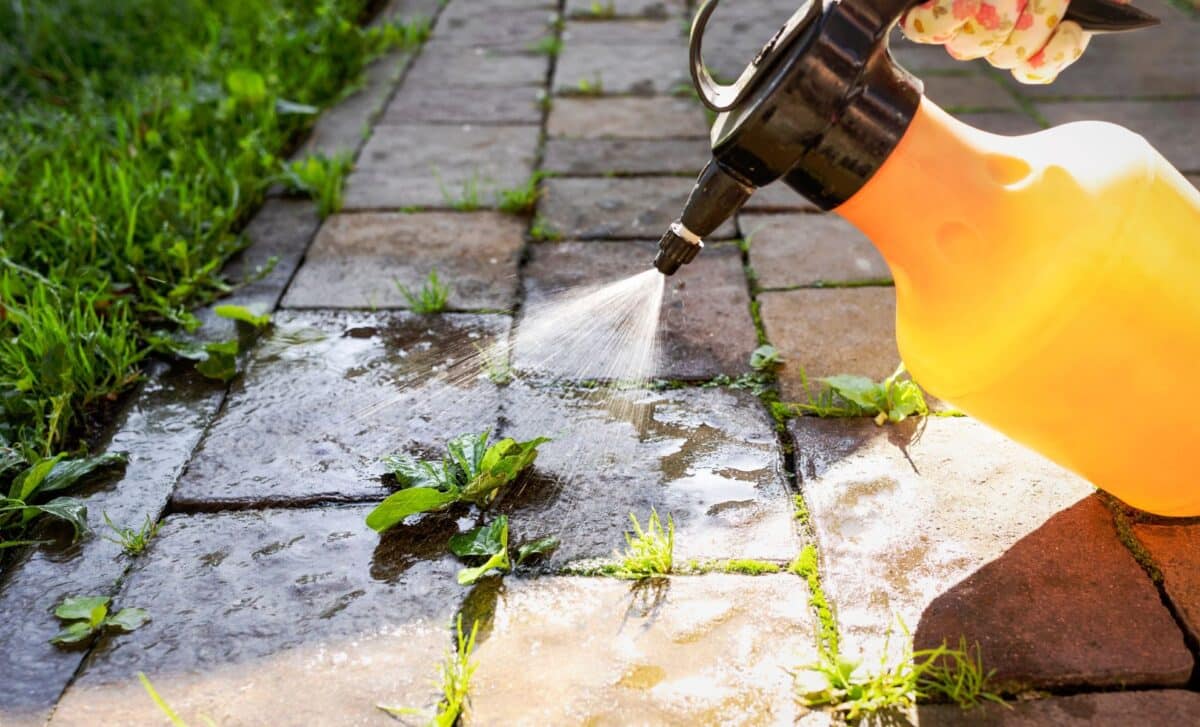
Making a salt solution is very easy. Simply dissolve a quantity of salt in hot water (about 3 to 4 cups of salt for 1 liter of water). Once the mixture cools down, you can apply it directly to the weeds using a sprayer or watering can. However, it is important not to overdo it, as salt can alter the quality of the soil and make it sterile. Therefore, it should be used sparingly, especially in areas where you plan to plant in the future.
Dish Soap Isn’t Just for the Kitchen: See How It Can Make Household Chores Easier!
Baking Soda: A Versatile Household Product
Baking soda is another household item that can be used to eliminate weeds. This natural compound is primarily used for cleaning purposes, but it is also highly effective against weeds, especially when applied to paved walkways or areas where you don’t want plants to grow.
The advantage of baking soda is that it works by drying out the soil, making the environment too dry for unwanted plants to grow. To use it, simply sprinkle a small amount directly onto the weeds or in the cracks of paving stones where they tend to grow.
Castile Soap: A Gentle Yet Effective Solution
Castile soap is a natural liquid soap, often made from olive oil. While it is mainly used as a cleaner, it can also be used to fight weeds. Castile soap disrupts the cell structure of weeds, dehydrating and slowly killing them. Unlike harsh chemical herbicides, Castile soap does not affect the quality of the soil and is safe for nearby plants.
To use Castile soap as a herbicide, simply dilute 2 to 3 tablespoons of Castile soap in a liter of water. You can also add a few drops of white vinegar to strengthen the herbicidal effect. It’s recommended to apply this solution to the leaves of weeds on a sunny day for maximum effectiveness.
Mulching: A Preventive and Natural Method
Mulching is another highly effective method for controlling weeds, especially in vegetable gardens. It involves covering the soil with organic materials such as straw, wood chips, leaves, or even grass clippings. Mulch prevents sunlight from reaching weed seeds, limiting their ability to germinate.
The advantage of mulching is that it nourishes the soil as it decomposes, while also retaining moisture and regulating the temperature of the soil. It is therefore a preventive solution that, in addition to preventing weed growth, promotes the health of your cultivated plants.