At first glance, it looks almost too simple to be effective. No apps, no spreadsheets, no automation, just a notebook and a pen. Yet this Japanese budgeting method, developed decades ago, is gaining attention far beyond where it began. As living costs rise and financial tools grow more complex, some people are deliberately stepping away from technology to rethink their relationship with money.
A Handwritten Tool For Mindful Budgeting
The kakeibo, which translates to “household account book”, is a Japanese approach to saving money that relies entirely on writing things down. It was created in 1904 by Hani Motoko, Japan’s first female journalist. Her goal was to help families, especially women in charge of household budgets, take ownership of their finances in a practical and reflective way.
Unlike modern budgeting apps or spreadsheets, kakeibo encourages people to engage directly with their money habits. Writing expenses by hand makes people more aware of where their money goes, which often leads to more thoughtful spending decisions.
These ‘Clean’ Spots in Your Home Are Dirtier Than a Public Bathroom, and They Could Be Making You Sick
How It Works: Four Questions, One Mindset
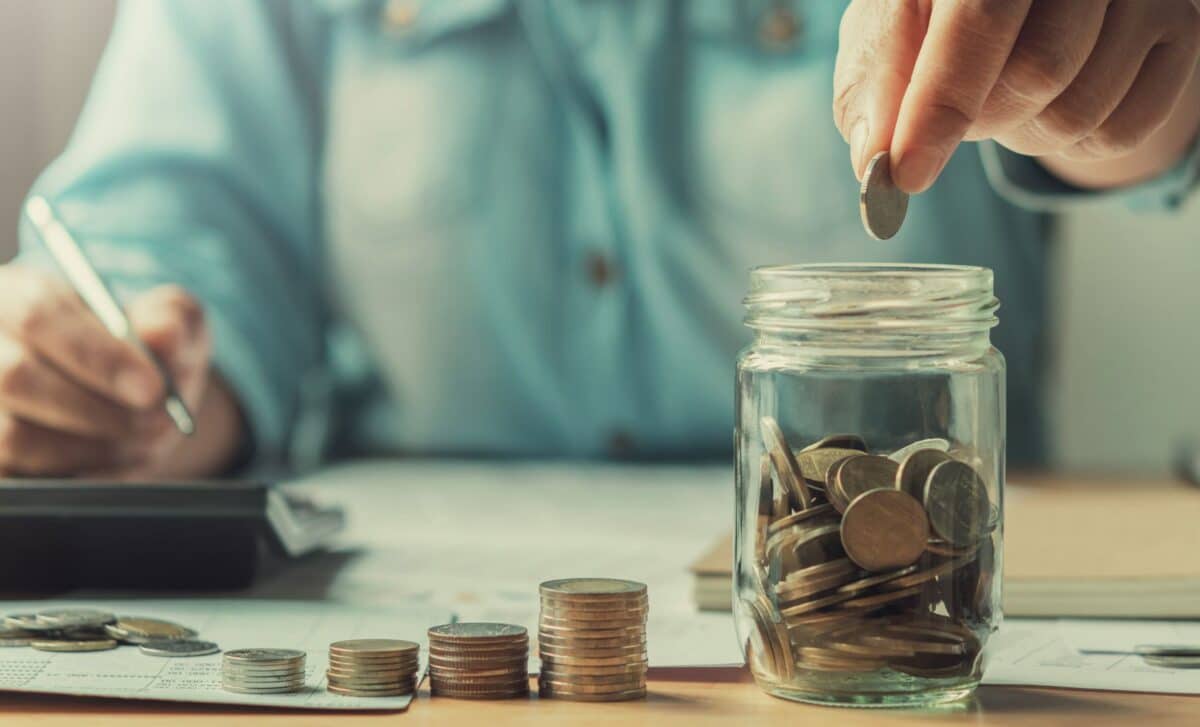
At the beginning of each month, users record their expected income and set a realistic savings goal. Then, throughout the month, they track every expense and sort it into one of several categories such as essentials, occasional desires, cultural activities or unexpected costs.
At the end of the month, they answer four key questions. What is my income? How much do I want to save? How much did I spend? What can I do better next month? These questions are designed to promote reflection and improve money habits with each cycle.
Why People Are Turning to Analog Again
As more people face rising living costs and digital overwhelm, some are turning back to simple tools like kakeibo. The absence of apps or automation becomes a strength rather than a weakness. Taking time to write down each transaction creates a moment to pause and consider if that spending was necessary or not.
This form of self-discipline is gaining popularity across Europe and Japan. Many who adopt the method say they gain more clarity about their needs and reduce unnecessary purchases without feeling deprived.