We all know that sleep is super important for feeling good, but a lot of people struggle to fall asleep or get a good night’s rest. Instead of turning to medication or expensive treatments, new research shows that the answer might be simpler than that: just move more! In fact, some types of exercise are as effective as treatments like cognitive behavioral therapy (CBT) for improving sleep quality. Let’s see why getting moving can really help you sleep better.
Why Exercise Helps You Sleep Better
A recent study,published in BMJ Evidence-Based Medicine, analyzed several clinical trials to figure out which type of exercise works best for improving sleep. The results were clear: exercise is a great way to treat insomnia, and it’s not just a wellness tip anymore. It should actually be seen as a primary treatment for sleep issues.
When you exercise, it helps your body regulate hormones like cortisol (the “stress hormone”). This can improve the quality of your sleep and help you reach deeper, more restorative stages of sleep. Instead of relying on sleep aids, regular exercise helps your body naturally get back into a healthy sleep routine.
Don’t Toss It Yet: These 3 Items Are Fine to Eat Long After Their Expiration Date!
The Best Types of Exercise for Better Sleep
Not all exercises are created equal when it comes to sleep. Three types of exercise really stand out for their sleep-boosting effects: yoga, Tai Chi, and moderate-intensity aerobic exercises like walking or jogging.
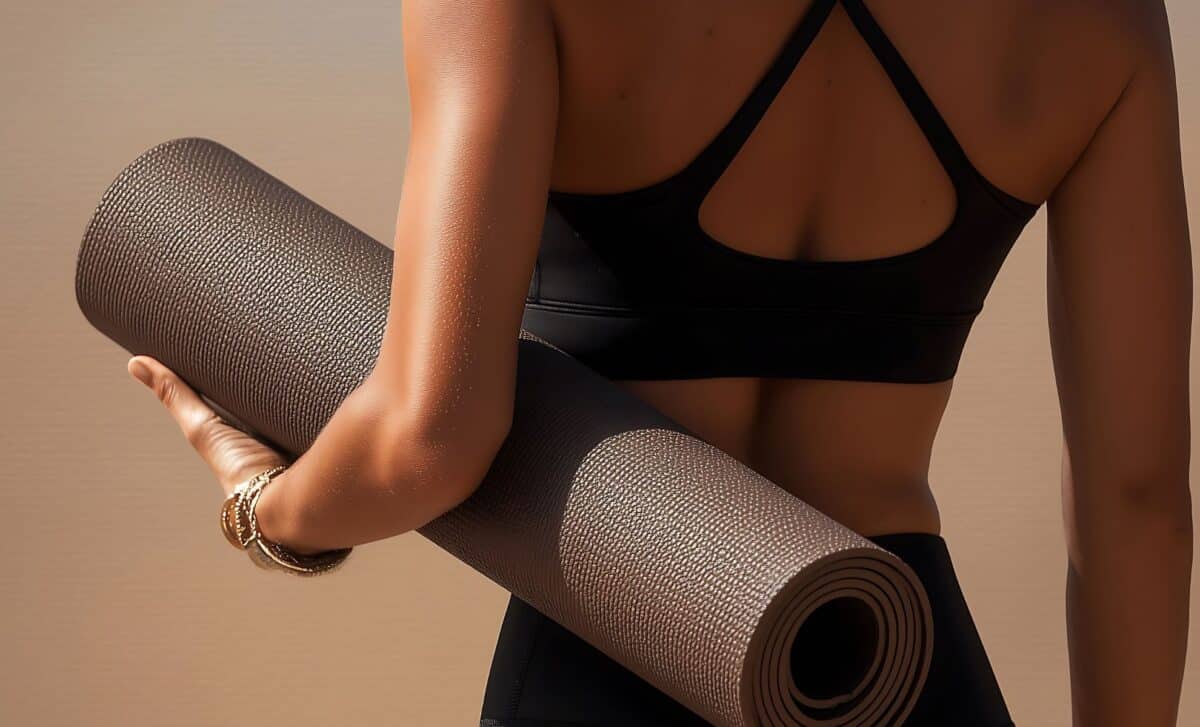
Yoga is one of the best exercises for improving sleep. Not only does it help reduce stress, but yoga also teaches you to breathe more mindfully and pay attention to your body, which helps you relax before bed. The study showed that people who practiced yoga regularly didn’t just sleep better, but they also added nearly two hours to their total sleep time.
Tai Chi, which is a slow and smooth martial art, is also great for sleep. Even though it’s often seen as a gentle activity, research shows that Tai Chi can reduce stress, calm the mind, and improve sleep quality. People who practiced Tai Chi saw their sleep time increase by an average of 50 minutes and experienced better sleep efficiency overall.
Moderate-intensity aerobic exercise, like a brisk walk or jogging, is also very effective. It might seem less “zen” than yoga or Tai Chi, but it actually helps regulate cortisol levels, boosts energy expenditure, and promotes the production of melatonin, the sleep hormone.
How to Fit Exercise Into Your Routine for Better Sleep
Now that you know exercise can improve your sleep, how do you fit it into your daily life? Experts recommend finishing your workout at least four hours before bedtime to avoid raising your core body temperature and cortisol levels too close to sleep. However, if you choose gentler exercises like yoga or Tai Chi, you can do them closer to bedtime because they actually help calm your body and mind.
You don’t have to do long or complicated sessions. A short yoga routine in the morning or before dinner, a brisk walk after meals, or some Tai Chi a few times a week can make a big difference. The key is to stay consistent and practice regularly. After a few weeks, you should start noticing improvements. Plus, if you combine exercise with good sleep habits like a cool, dark bedroom, regular sleep schedules, and avoiding screen time before bed, you’ll get even better results.