Wooden cutting boards are a staple in most kitchens, durable, stylish, and perfect for handling everything from chopping vegetables to carving meats. However, keeping them clean and in top condition can feel a bit tricky, especially since they’re prone to stains, odors, and the occasional bit of stubborn food stuck to the surface.
Luckily, you don’t need fancy cleaning products to take care of your wooden board. With a few simple techniques using ingredients you probably already have in your kitchen, you can keep your board looking fresh and working well for years.
The Magic Duo for a Spotless Wooden Cutting Board
One of the easiest and most effective ways to clean a wooden cutting board is with something as simple as lemon and salt. These two ingredients are probably already in your kitchen, and together they create a powerful natural cleaner.
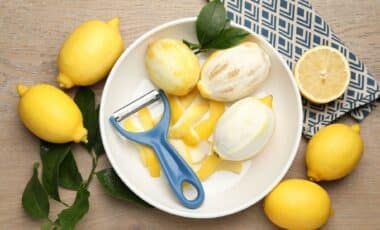
To use them, sprinkle your board with coarse salt, then take a cut lemon (or even a lime) and use it to scrub the surface. The acidity of the lemon works to lift stains and odors, while the salt’s rough texture helps scrub away residue. Let the mixture sit for about five minutes to really let it work its magic. Afterward, use a rag or bench scraper to remove the mixture. For the final touch, rinse your board with a damp sponge, leaving it smelling fresh and looking clean.
How to Wake Up from a Nap Feeling Energized, Not Groggy, Experts Reveal All!
A Chefs’ Tip!
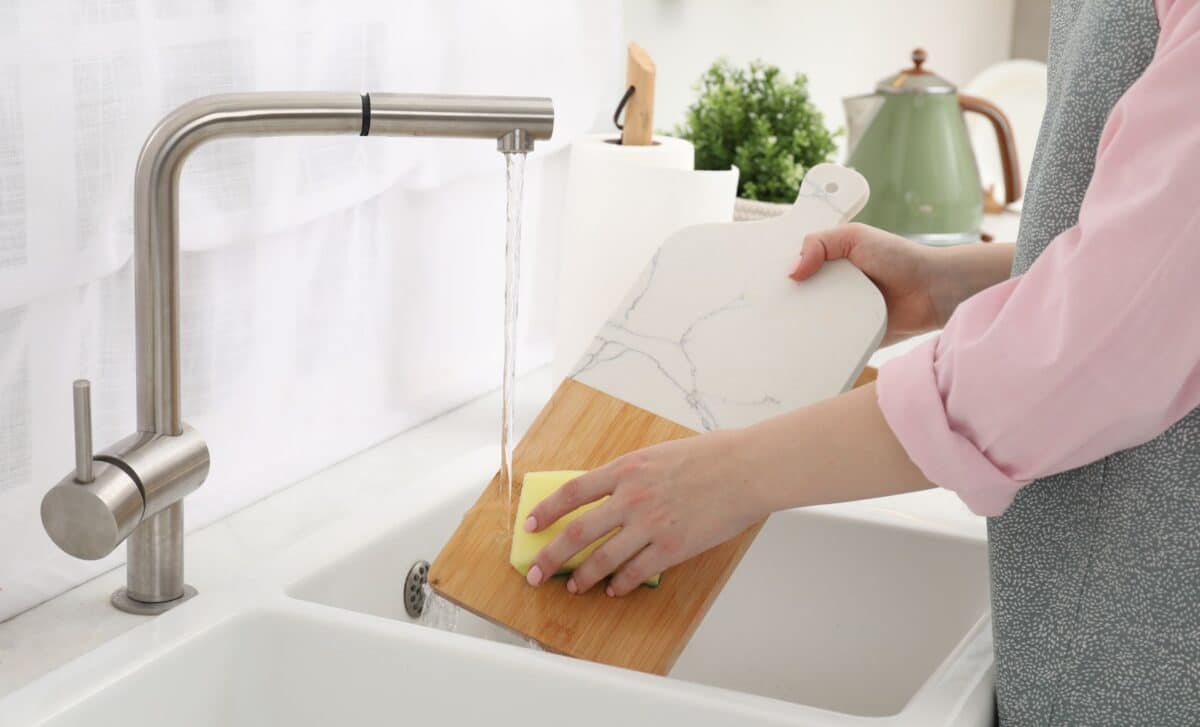
For regular maintenance, dish soap is your friend. It’s crucial to avoid soaking your wooden cutting board in water, as too much moisture can lead to warping or cracking. But, after every use, washing your board with mild dish soap can keep it in great shape.
Simply use a sponge or cloth to clean off any food particles. If you’re not sure which dish soap to use, chefs like Jordan Ware from Hen of the Wood recommend Dawn, as it cleans well without leaving any overpowering scents that might affect the taste of your food. Once you’re done, dry the board with a towel and let it air-dry overnight to ensure it’s completely dry before storing it away.
The Ultimate Salt Crust Trick
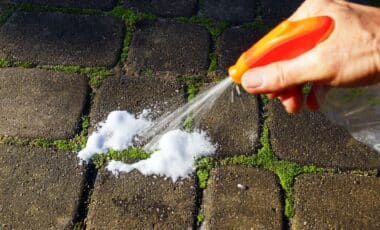
If your cutting board has been working hard (perhaps you’ve been chopping garlic or onions), a deep clean might be in order. Many chefs swear by using kosher salt for this. After you’ve washed your board, cover it with a layer of kosher salt and let it sit for an hour. The salt will draw out moisture and help absorb any lingering smells.
This technique is particularly helpful for strong odors like garlic, onion, or fish that seem to stick around long after the meal is done. Once the salt has done its job, use a bench scraper to remove it.
The Bench Scraper: A Must-Have Tool for Any Kitchen
If you don’t already have a bench scraper in your kitchen, it’s worth considering. This humble tool is an absolute must-have for cleaning wooden cutting boards. It’s commonly used in professional kitchens to remove food particles stuck to surfaces, whether it’s flour, dough, or bits of melted cheese.
The scraper’s flat edge is perfect for getting under any debris, and it’s also a big help when removing salt crusts during deep cleaning sessions. Many chefs, including the renowned Charlie Palmer, rely on this tool to keep their boards clean and free of stubborn bits. Plus, it’s versatile enough to be used for a variety of other kitchen tasks, so it’s a worthy investment.